


More news on this day
Seattle-Tacoma International Airport is facing another bout of severe travel disruption as an Alaska Airlines flight operating as AS618 was forced into an unscheduled mid-air diversion, amplifying an already difficult stretch of delays, ground congestion and network strain for travelers across the Pacific Northwest.
Get the latest news straight to your inbox!
Mid-Air Diversion Adds To A Difficult Week At Sea-Tac
Publicly available flight-tracking data and carrier status pages indicate that an Alaska Airlines service operating under the AS618 designation experienced a mid-route disruption near Seattle, prompting a diversion and unplanned return to the region. The event unfolded as the airline continued using Boeing 737-9 aircraft on busy domestic routes, including departures from Seattle-Tacoma International Airport, with capacity already stretched by summer travel demand.
Although the flight ultimately landed safely, the diversion led to missed connections, extended tarmac time and a scramble for rebooking options for many passengers. Same-day seat availability on alternative departures from Seattle was limited, magnifying the impact of a single flight incident on a broad group of travelers. Reports from consumer-facing flight status services show that affected itineraries were re-timed, rerouted through secondary hubs or, in some cases, pushed to next-day departures.
The operational knock-on effects from such diversions are significant. Aircraft and crews are pulled out of their planned rotations, which can quickly cascade into delays on subsequent legs. At a tightly scheduled hub like Seattle, one unplanned return can ripple through late-morning and afternoon waves of departures, forcing further schedule adjustments.
The incident involving AS618 arrived as airlines were already managing high load factors, growing weather risks and air traffic control initiatives across the national airspace system. That combination has left little slack to absorb added disruptions without visible effects on the day’s operation.
Rising Congestion And Infrastructure Pressure At Seattle-Tacoma
Seattle-Tacoma International Airport has been flagged in recent planning documents and operational briefings as a facility operating near the limits of its current infrastructure. Federal aviation capacity assessments for 2026 highlight construction activity, taxiway changes and airfield work that are expected to reduce arrival rates at times, increase taxi-out durations and generate surface congestion during peak hours.
Travelers have increasingly reported crowding at security checkpoints, longer walks to temporary gate locations and more frequent gate changes as the airport juggles construction staging with regular operations. These conditions make recovery from unexpected events, such as a diversion like AS618, more challenging because open gates and spare ramp space can be scarce when an aircraft returns off schedule.
Airport tarmac delay plans emphasize coordinated handling of diverted flights, particularly during periods of high traffic or constrained runway capacity. While these contingency frameworks are designed to prevent excessive on-board waits, they also highlight that even a small number of diversions can strain resources when large portions of the ramp are already in use. For airlines heavily concentrated at Seattle, any additional complexity often translates into longer ground times and more frequent rolling delays.
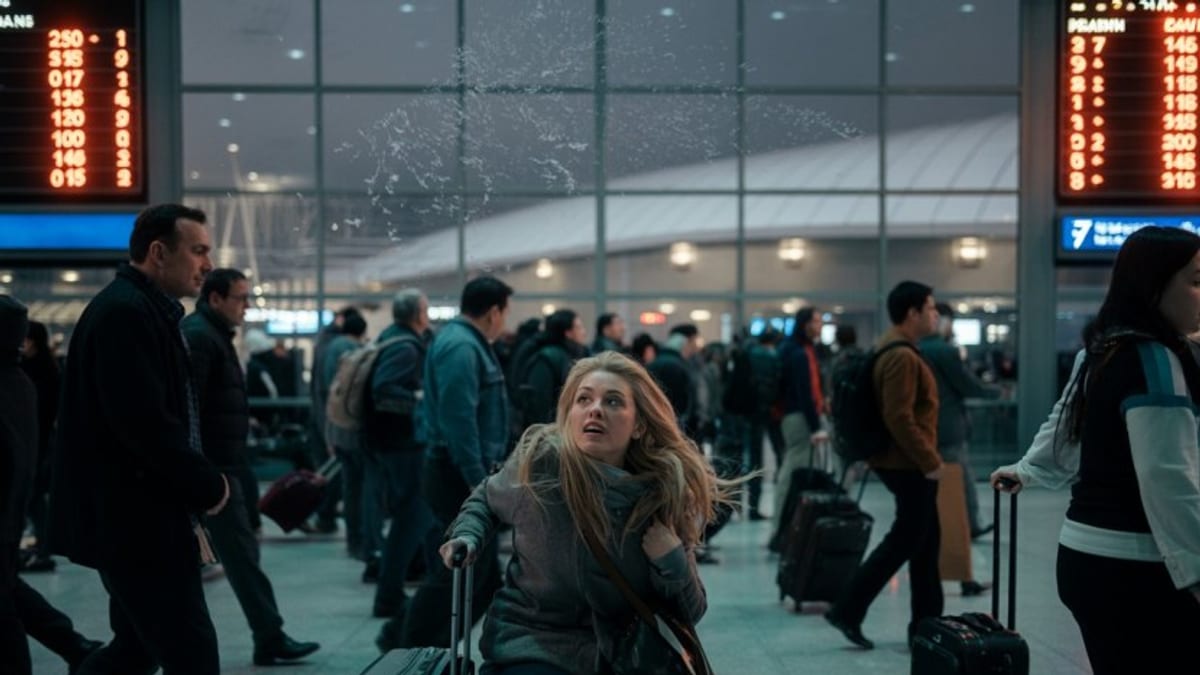
In practical terms, passengers passing through the airport this week have seen longer boarding processes, last-minute gate swaps and aircraft waiting for pushback clearance as ramp crews and ground controllers work through crowded departure banks. The diversion of AS618 fits into that wider pattern of strain, rather than standing out as an isolated one-off.
Nationwide Airline Disruptions Form The Backdrop
The Seattle disruption linked to AS618 is occurring against a broader backdrop of widespread airline operational challenges across the United States in June 2026. Recent national tallies of delays and cancellations show thousands of flights disrupted in a single day, with American Airlines, SkyWest and several other carriers collectively accounting for a large share of the impact.
Industry-focused outlets describe a pattern of rolling disruptions driven by severe weather in key hubs, air traffic control flow restrictions and tight staffing among both flight crews and ground employees. Chicago, Atlanta, Boston and other major airports have recently experienced high rates of same-day cancellations and extensive delays, stretching airline recovery capabilities and leaving travelers facing crowded terminals and limited rebooking options.
Travel reports list Seattle among the airports experiencing recurring disruption as part of these broader systemwide issues. High traffic volumes through the Pacific Northwest, combined with ongoing infrastructure work and tight aircraft utilization, mean that events like the AS618 diversion can compound national congestion rather than remain only a local concern.
Analysts tracking U.S. aviation performance note that summer schedules leave carriers with little margin to absorb surprises. As a result, any unscheduled maintenance, weather cell or in-flight incident can generate outsized network effects, especially when it occurs at a hub that is already operating near capacity.
Knock-On Effects For Travelers And Airlines
For travelers, the immediate result of the AS618 diversion and the latest round of Seattle disruptions is more time spent waiting in lines, on hold with call centers or refreshing mobile apps for updated departure times. Many passengers with tight connections through Seattle are discovering that rebooking can involve overnight stays or routing through alternative hubs far from their original itineraries.
Published guidance from airlines and travel industry advisers increasingly emphasizes preparation for these kinds of events. Passengers are encouraged to monitor flight status closely on day of travel, arrive at the airport earlier than usual, and build additional buffer time into connections, especially when flying through congestion-prone hubs such as Seattle.
For Alaska Airlines, a diversion like AS618 also translates into additional operational and financial costs. Extra fuel burn, crew duty-time complications and passenger care expenses all add to the baseline cost of operating an already complex summer schedule. When such events occur during a period of elevated national disruption, competition for spare aircraft and crews becomes even more intense.
Aviation observers suggest that the current wave of disruptions is likely to reinforce ongoing discussions about staffing levels, infrastructure investment and the resilience of U.S. airline networks. Seattle’s experience this week, punctuated by the AS618 diversion, underlines how quickly a single mid-air incident can ripple through an already stretched system.
What Travelers Through Seattle Should Expect Next
In the short term, travelers transiting Seattle can expect continued schedule volatility, particularly during peak morning and late afternoon departure banks. Flight-tracking platforms show that even on days without headline-grabbing incidents, rolling delays of 30 to 90 minutes have become common on certain routes into and out of the region.
Passengers with upcoming itineraries involving AS618 or similar Alaska Airlines services are likely to see adjustments to departure times, aircraft assignments or connection windows as the carrier works to rebalance its operation. Many travel advisers recommend enabling notifications in airline apps, considering earlier departures when connecting to cruises or international flights, and having contingency plans if a key flight is significantly delayed.
Longer term, Seattle-Tacoma International Airport is expected to benefit from capacity improvements and terminal projects that are intended to relieve some of the existing bottlenecks. However, those same construction efforts are contributing to near-term complexity, leaving travelers in a challenging transition period in which diversions and weather events can have amplified effects.
The diversion of Alaska Airlines flight AS618 has become a focal point for this week’s travel difficulties, illustrating how individual in-flight disruptions intersect with infrastructure limitations and nationwide airline challenges. For now, anyone planning to fly through Seattle is being urged, by publicly available guidance and recent experience alike, to build in extra time and remain flexible as the busy summer travel season intensifies.