


More news on this day
Domestic air travel across Japan is facing new turbulence as a cluster of cancellations by major and low cost carriers, including ANA, Skymark and Jetstar Japan, disrupts several high demand routes linking Tokyo Haneda, Narita and Osaka Itami with other regional hubs.
Get the latest news straight to your inbox!
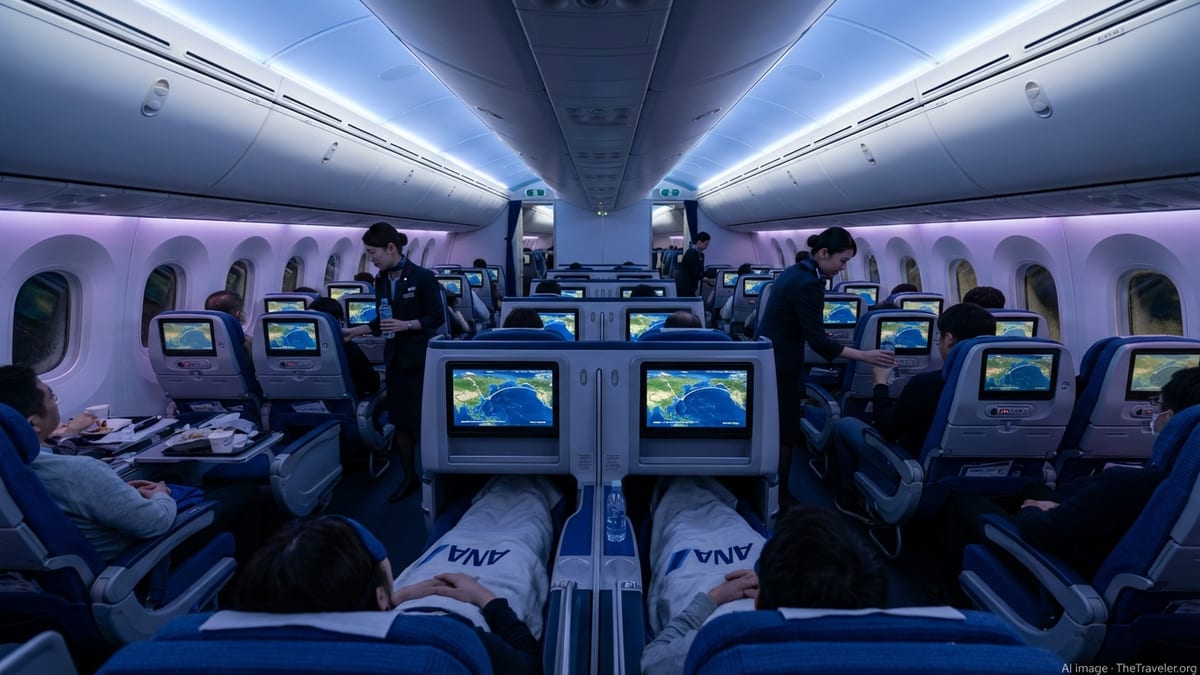
Nine Targeted Flights Signal Wider Operational Strain
Recent schedule updates and operational data indicate that at least nine domestic flights touching Tokyo Haneda, Tokyo Narita and Osaka Itami have been pulled from service or marked as non operating on select days, affecting both business and leisure travelers at the height of Japan’s early summer travel period. These cancellations are concentrated on trunk routes such as Tokyo Haneda to Fukuoka, Sapporo and regional cities, as well as Osaka Itami links, which traditionally carry heavy weekday demand.
Publicly available timetables from carriers such as ANA and Skymark show scattered no operation days across routes that normally run multiple daily frequencies. What might look like minor individual cuts adds up to a notable reduction in capacity when considered across several high frequency city pairs. For passengers, the impact is magnified when an evening or early morning rotation is removed, narrowing options for same day returns and onward international connections.
Low cost operator Jetstar Japan, which bases much of its domestic network out of Narita and other regional airports, has also adjusted flying programs in response to operational and demand pressures. While full daily cancellations remain limited, selective suspensions and retimings on overlapping routes mean fewer alternatives when full service flights are dropped, particularly for price sensitive travelers trying to reposition between major hubs.
Taken together, these nine key cancelled services are being seen by industry observers as a bellwether for broader schedule fine tuning across Japan’s domestic system, as carriers balance aircraft availability, weather disruption risk and shifting post pandemic travel patterns.
System Changes, Weather and Fleet Shifts Behind Cuts
The latest disruptions do not stem from a single cause. Recent domestic system migration at ANA, which prompted a period of service limitations in May and early June, has coincided with the start of the summer timetable and the introduction of new aircraft types at rival Skymark. These overlapping changes have left operators with less flexibility to recover when staffing or maintenance issues arise, increasing the likelihood that marginal flights are trimmed rather than protected.
Weather has also played a recurring role in 2026. Japan’s early typhoon activity and bouts of severe rain and wind have triggered waves of pre emptive cancellations into and out of hubs such as Naha, Fukuoka, Kansai and, by knock on effect, Haneda and Narita. Once contingency schedules are in place, carriers sometimes keep a slightly reduced pattern on certain days rather than immediately restoring every frequency, particularly on multi daily routes where passenger re accommodation is feasible.
Fleet strategy is another factor. Skymark’s introduction of the Boeing 737 8 on the busy Haneda Fukuoka corridor has required temporary reshuffling of aircraft and crews while the new type is phased in. That transition, while planned, can result in certain rotations being dropped or consolidated when training flights, maintenance checks or unexpected delays compress available capacity. Similar constraints apply to other airlines as they phase aircraft between domestic and international assignments.
For Jetstar Japan, ongoing changes in ownership structure and future rebranding plans are prompting a careful review of which domestic sectors are core to its model. In practice, that has meant pruning weaker performing or operationally complex flights in favor of concentrating on higher yielding or strategically important routes, which may explain some of the latest Narita centered cancellations.
Haneda, Itami and Narita Passengers Face Knock On Delays
Tokyo Haneda remains the focal point of the latest wave of disruptions. As Japan’s primary domestic hub, even a limited number of cancellations can quickly ripple across the network, straining remaining flights and reducing onward choices. Travelers connecting from regional cities into Haneda for evening international departures, or using the airport for tight domestic connections, are especially vulnerable when midday and late afternoon services are trimmed.
At Osaka Itami, where domestic traffic overwhelmingly dominates, the impact is more concentrated but still significant. Fewer flights on core routes to Haneda and other major cities translate to busier remaining services, tighter seat availability and a higher risk of misconnects when weather or air traffic restrictions slow down operations. Passengers accustomed to a near shuttle style pattern between Itami and Haneda may find themselves pushed onto less convenient timings or alternative airports such as Kansai.
Tokyo Narita, traditionally more internationally focused, feels the disruption indirectly through the low cost segment. When Jetstar Japan or other budget operators cancel or retime flights that feed into Narita’s long haul departures, travelers can lose same day connection options or face longer ground transfers between Narita and Haneda to salvage itineraries. This is particularly challenging for visitors who planned tight self made connections using separate tickets.
Industry watchers note that the cancellations, though limited in absolute numbers, are landing at a time when domestic demand is robust and many flights are already running close to full. That means there is less spare capacity to absorb displaced passengers, amplifying the sense of disruption on affected routes.
What Travelers Should Do if Their Flight Is Affected
For travelers holding tickets on ANA, Skymark, Jetstar Japan or other domestic carriers in the coming days, regular self monitoring has become essential. Instead of relying solely on initial booking confirmations, passengers are urged to check airline apps and online timetables in the 24 to 48 hour window before departure, when short notice schedule changes and targeted cancellations are most likely to appear.
Those flying high density routes such as Haneda Itami, Haneda Fukuoka, Haneda Sapporo or Narita connections should build in extra time for possible disruption. Allowing a wider buffer before international departures, considering earlier domestic legs, and being prepared to accept rerouting via alternate airports like Kansai, Chubu Centrair or Fukuoka can all help reduce the risk of being stranded.
Travelers who see their flight marked as non operating or cancelled on specific dates should act quickly to secure alternatives, as remaining seats on other departures and carriers can disappear within hours during peak periods. Rebooking options vary by airline and fare type, but in many cases passengers can be moved to the next available flight on the same route or, where capacity is tight, shifted to a nearby airport with ground transport support handled separately.
Given the combination of system changes, evolving fleet plans and unsettled weather, analysts expect intermittent domestic disruptions to persist through the current timetable period. For visitors planning complex multi city itineraries within Japan, keeping itineraries flexible and monitoring developments around Haneda, Narita and Itami will be key to staying ahead of the next round of schedule changes.