


More news on this day
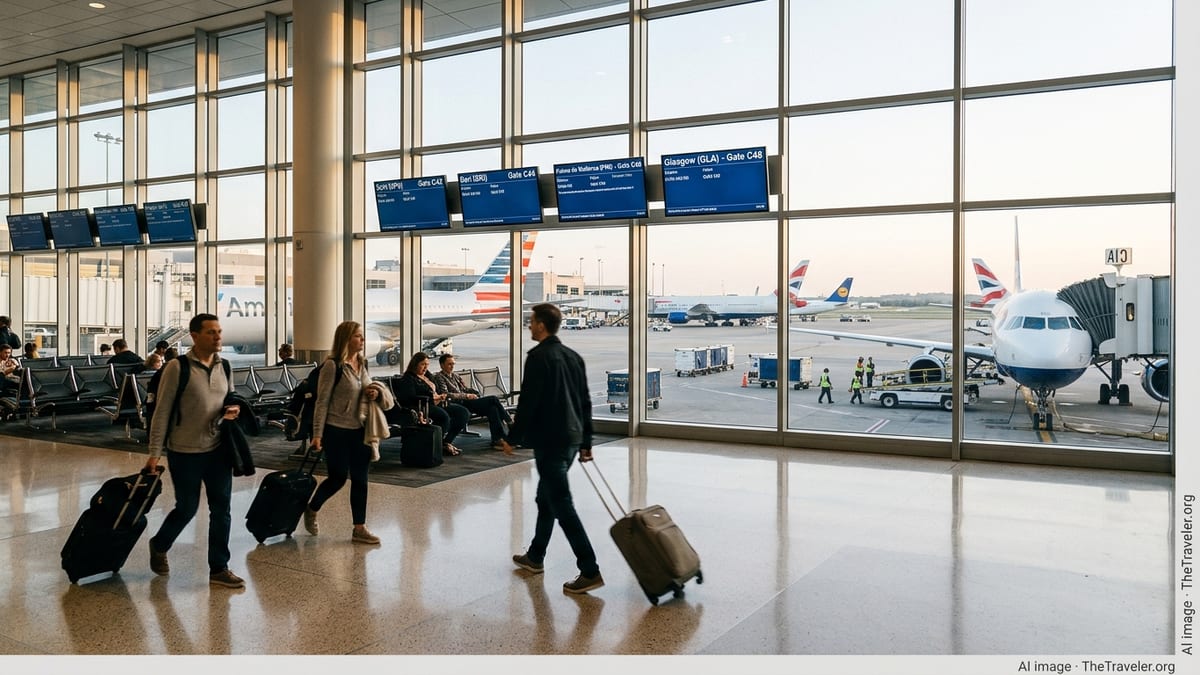
Americans planning festive winter trips to Europe are being urged to rethink their routines at Christmas markets, New Year celebrations, and other crowded attractions after fresh security alerts highlighted an elevated risk of terrorist attacks and other violence during the 2026 holiday season.
Get the latest news straight to your inbox!
Heightened Warnings Frame 2026 Winter Trips
Publicly available guidance from the U.S. Department of State shows that a worldwide caution remains in effect going into the 2026 holiday period, advising Americans to exercise increased vigilance when traveling abroad, including in Europe. The notice, updated in July 2026, highlights the potential for terrorist attacks, demonstrations, and other security incidents in locations associated with U.S. citizens and Western travelers.
Alongside the global notice, the State Department’s country-specific advisories list many popular European destinations at Level 1 or Level 2, meaning normal precautions or increased caution, while a smaller number of countries and regions are subject to stronger warnings. This patchwork of risk levels means that two cities connected by a short rail journey can sit in very different advisory categories, a factor that U.S. travelers are being urged to check carefully before finalizing multi-stop itineraries.
European security agencies have also flagged concerns around the winter period. Updated travel advice from several European governments notes an ongoing threat of terrorism, with particular emphasis on large gatherings, transport hubs, and Christmas markets, where past attacks in cities such as Strasbourg have shaped law-enforcement planning and traveler guidance.
Security-focused briefings published in recent days summarize these alerts as an effective regional warning for Americans heading to Europe from late November through early January. Analysts point to the combination of dense holiday crowds, symbolic sites, and wider geopolitical tensions as reasons for a more cautious approach this year.
Holiday Markets and Iconic Sights Under Scrutiny
The most specific concerns relate to classic winter attractions that draw large numbers of visitors in a confined space. Official terrorism-risk pages maintained by the State Department describe how attackers have previously targeted public events, markets, places of worship, shopping centers, and transportation hubs, and recommend extra care in such locations during peak seasons.
European safety advisories echo that focus. Recent guidance for Germany, for example, notes an ongoing threat of terrorism and singles out Christmas markets and other crowded venues as potential targets, advising visitors to stay alert and follow instructions from local security staff. Similar language appears in several other European advisories, underscoring that the risk is viewed as continent-wide rather than confined to a single city.
Security alerts summarized by independent risk-monitoring services this week point to a particular concern about violent actors who may act with little or no warning in tourist-heavy areas. These reports state that markets, shopping malls, and places of worship are among the locations where U.S. citizens should be especially cautious during the congested holiday period.
Travel-risk specialists emphasize that the warning is not a call to abandon travel plans altogether, but rather to adjust expectations about how to experience popular events. Recommendations include avoiding bottlenecks at entrances and exits, identifying alternative routes away from crowds, and limiting time spent in densely packed areas where rapid evacuation would be difficult.
Country Advisories Vary Across the Continent
While the latest guidance does not single out Europe as a separate region-wide advisory, the standard U.S. four-tier system paints a detailed picture country by country. As of mid November 2026, many of the best known winter destinations such as Spain, France, and much of Western Europe are listed at Level 1 or Level 2, indicating that most trips proceed without incident but that travelers should maintain heightened awareness because of terrorism and occasional unrest.
At the same time, some parts of the broader European neighborhood are subject to more restrictive guidance. Certain areas linked to active conflicts or persistent security incidents appear at Level 3, where U.S. travelers are urged to reconsider nonessential trips, while others remain at Level 4, where travel is not recommended. These stronger advisories often cite terrorism, civil unrest, or armed conflict among the main drivers of risk.
Government travel pages stress that advisory levels can shift with little notice in response to new incidents. Archived histories for several destinations show multiple changes over the past two years, reflecting how regional events can quickly alter assessments. For winter travelers, that volatility means that conditions at booking time may not match conditions at departure, especially for trips planned months in advance.
Because rail and low-cost air networks in Europe make it easy to cross borders spontaneously, officials encourage travelers to review guidance for every country on their route, not just their primary destination. Insurance industry bulletins published this fall similarly advise checking policy language on terrorism, civil unrest, and government advisories, as some plans limit coverage if travelers enter or remain in places under higher-level warnings.
Practical Steps for Safer Holiday Itineraries
In response to the layered alerts, both U.S. and European public resources offer practical steps for Americans who decide to proceed with their holiday travel. The State Department’s terrorism information page lists behavioral advice such as staying aware of surroundings, locating exits when entering a venue, and identifying secure areas to shelter in case of an attack. It also recommends avoiding demonstrations, monitoring local media, and keeping a low profile where possible.
Travelers are strongly encouraged to enroll in the Smart Traveler Enrollment Program, known as STEP, which allows U.S. embassies and consulates to send security updates by email in the event of threats, protests, or transport disruptions. Enrollees can receive alerts tailored to their registered destinations and dates, a feature that becomes more valuable in a fast-changing environment.
Older but still referenced State Department holiday checklists underscore basic preparation steps that remain relevant in 2026, such as confirming passport validity, leaving copies of travel documents with a trusted contact at home, and maintaining access to emergency funds. These materials also reiterate the need to remain vigilant in locations that have been targeted in the past, including markets, transportation hubs, and religious sites.
Insurance and risk consultants note that practical planning extends to accommodation and transit choices. Booking hotels with clear security protocols, choosing flights with reasonable connection times, and allowing flexibility in itineraries can make it easier to adapt if local conditions change or if authorities restrict access to particular areas over the holiday period.
Heavy Winter Crowds Add Operational Strains
This year’s security warnings intersect with another reality for U.S. travelers to Europe: record or near-record passenger volumes around Christmas and New Year. Data from the global airline industry for the last holiday season indicates that worldwide air travel during the late December and early January window has surpassed pre pandemic levels, and analysts expect 2026 to continue that trend.
In Europe, recent figures from the region’s air traffic network manager show flight activity running close to last year’s high levels, with modest improvements in departure punctuality but persistent delays in some busy corridors. Average air traffic flow management delays across the European network remain low in minutes per flight, yet even small disruptions can cascade during peak holiday days when schedules are tightly packed.
For U.S. travelers, the combination of heavier passenger loads and tighter security screening around holiday events can translate into longer lines at major European gateways and rail hubs. Travel planners recommend building extra time into connections, particularly when transiting through large hubs before connecting to smaller regional airports that may have more limited daily service.
Domestically, the U.S. Transportation Security Administration’s recent releases and historic checkpoint data signal another strong year for outbound holiday travel, even as some forecasts note softer discretionary spending. That backdrop suggests that Americans heading to Europe will be part of a broader surge through U.S. airports between mid December and early January, with knock on effects for baggage handling, customer service, and rebooking options if flights are disrupted.