


More news on this day
Americans living in or traveling through the Middle East are being urged to exercise heightened vigilance after recent Houthi strikes targeting Riyadh prompted a fresh wave of security alerts from United States embassies across the region.
Get the latest news straight to your inbox!
Regional Alerts Follow Strikes Aimed at Saudi Capital
Security messages issued in recent days by United States embassies in Saudi Arabia and neighboring countries warn that the security environment across the Middle East remains complex and could change quickly in the wake of missile and drone attacks directed at Riyadh. Publicly available embassy notices and State Department summaries state that Iran-aligned Houthi forces in Yemen have claimed or been linked to recent attempts to hit the Saudi capital, including strikes aimed at infrastructure and civilian airports.
Coverage from international outlets reports that Saudi air defense units intercepted at least one ballistic missile fired toward Riyadh, with debris reported near the city after the most recent incident. The same reports note that the attacks form part of a broader pattern of hostilities involving Houthi forces and Saudi-led coalition assets, raising concerns about further escalation that could affect major urban centers and transport hubs across the Gulf.
The renewed warnings build on an updated U.S. travel advisory for Saudi Arabia that already urged Americans to reconsider travel because of the risk of missile and drone targeting of American interests, armed conflict, terrorism, and other security risks. The advisory highlights that facilities linked to energy production, military operations, and diplomatic activity have been targeted in past strikes and could face further threats as regional tensions remain elevated.
Embassy messaging indicates that while specific timing and targets of any future attacks are uncertain, the combination of ongoing hostilities, previous strikes on Riyadh and other locations, and public threats by armed groups justifies a posture of increased caution for U.S. nationals throughout the region.
Americans Told to Be Ready for Flight Disruptions and Rapid Change
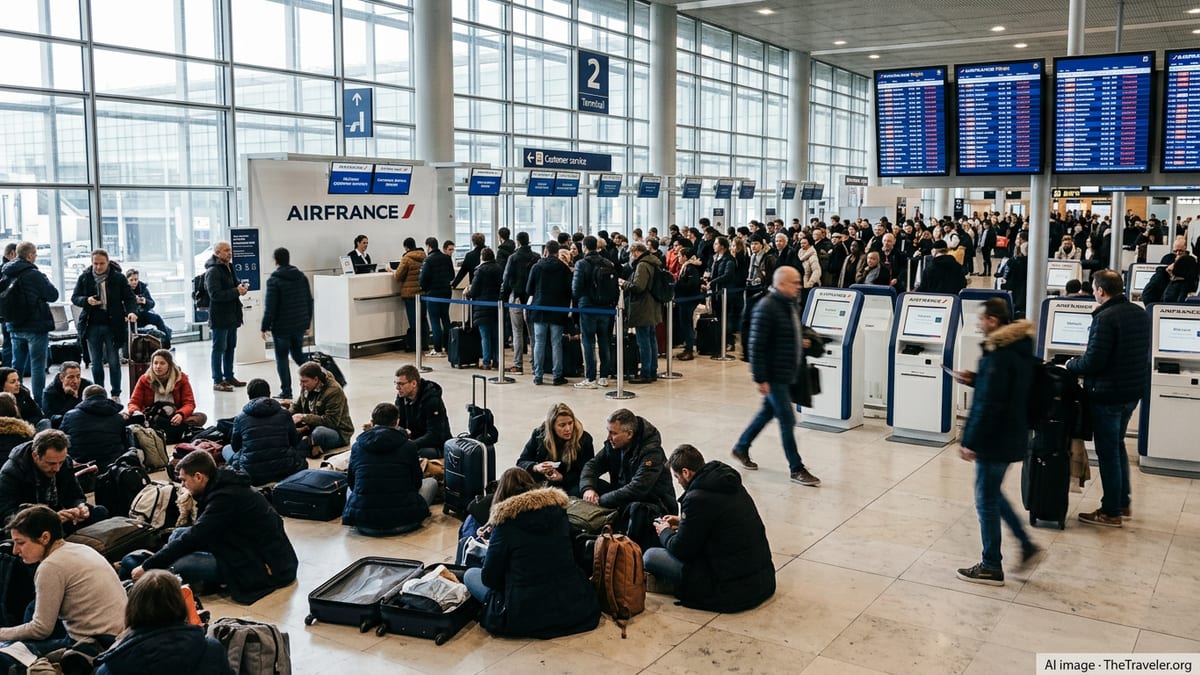
In addition to urging heightened vigilance, the latest alerts advise Americans in the Middle East to prepare for possible flight cancellations, periodic airspace closures, and broader travel disruptions if the situation deteriorates. Public advisories describe a regional environment in which air routes can be altered with little notice in response to missile threats, drone activity, or military operations, sometimes leading to diversions or lengthy delays.
Information made available by the State Department notes that airports, energy facilities, and major transport corridors in Saudi Arabia and neighboring states have previously been targeted or temporarily shut down following attacks or intercepts. In some cases, debris from intercepted missiles and drones has created additional hazards near civilian infrastructure, reinforcing the need for flexible travel planning.
For Americans transiting regional hubs such as Riyadh, Jeddah, Dammam, Doha, Dubai, Abu Dhabi, Manama, and Kuwait City, the advisories recommend monitoring airline notices closely, maintaining contact information for carriers and travel agents, and considering alternative routing options. The guidance also underscores the value of carrying essential items in hand luggage in case an unexpected diversion or overnight stay becomes necessary because of sudden airspace restrictions.
Publicly available information from U.S. missions in the region stresses that even travelers whose itineraries do not include Saudi Arabia could experience secondary impacts if military activity affects busy air corridors or prompts temporary closures of key regional airports.
Heightened Vigilance in Everyday Movements and Gatherings
Beyond air travel concerns, the State Department and U.S. embassies are emphasizing day-to-day security awareness for Americans already living, working, or studying in the Middle East. Official advisories for Saudi Arabia and several neighboring countries point to the risk of terrorism, missile and drone attacks, and opportunistic violence targeting locations associated with Western visitors and interests.
Guidance derived from these advisories encourages Americans to stay alert in large crowds, near tourist attractions, in shopping malls, at major hotels, and around transportation hubs. Areas close to military installations, energy infrastructure, or other sensitive facilities are noted as presenting elevated risks in the event of renewed strikes or retaliatory activity.
Travelers and residents are advised to vary their routes and routines when possible, remain aware of their surroundings, and promptly move away from windows, glass façades, and unsecured outdoor areas if air raid sirens, loud explosions, or official warnings are reported. Embassy security messages related to previous missile incidents around Riyadh have also underscored the danger posed by falling debris from intercepted projectiles, even when defensive systems prevent a direct hit on urban areas.
Public information also advises Americans to keep identification documents readily accessible, ensure mobile phones are charged and capable of receiving local alerts, and maintain sufficient supplies of basic necessities in case short-notice movement restrictions or shelter-in-place recommendations are issued.
Official Guidance for Registration and Emergency Assistance
Alongside calls for vigilance, U.S. authorities are directing Americans in the Middle East to make use of existing consular support tools. The State Department’s central Middle East information page urges U.S. citizens to enroll in its traveler enrollment program in order to receive security updates by email and to make it easier for embassies and consulates to contact them during emergencies.
The publicly available guidance explains that Americans in Saudi Arabia can seek information and assistance from the U.S. Embassy in Riyadh and the consulates in Jeddah and Dhahran, while those in neighboring countries should follow alerts from local U.S. missions. Emergency contact numbers for U.S.-based call centers and regional posts are listed on State Department pages so that citizens can report crises, obtain information on local conditions, or seek help arranging emergency travel back to the United States when appropriate.
Advisories also remind travelers to review country-specific pages that outline entry and exit rules, local laws, and security conditions. For Saudi Arabia, the latest materials highlight strict regulations on alcohol and certain personal items, as well as limitations on the U.S. government’s ability to provide services in areas close to the border with Yemen because of ongoing conflict.
Although consular teams can assist with tasks such as replacing lost passports or providing information on local medical facilities, the same resources are clear that U.S. personnel cannot offer private security, escort services, or evacuation guarantees and may face their own movement restrictions during periods of heightened risk.
What Travelers Should Consider Before Heading to the Region
For Americans planning new trips to the Middle East, the combination of strikes on Riyadh, public threats against Saudi and allied interests, and the latest security alerts has introduced additional layers of risk assessment. The State Department currently maintains elevated advisory levels for many countries in the region, including a call to reconsider travel to Saudi Arabia because of armed conflict, terrorism, and the possibility of missile and drone attacks.
Prospective travelers are encouraged by publicly available guidance to review these advisories in detail before committing to nonessential trips. Factors to weigh include the nature of the visit, the location of planned activities relative to military or energy infrastructure, and the adequacy of available medical facilities and emergency services. Travel insurance policies should be checked carefully to confirm whether they cover disruptions linked to conflict or airspace closures.
Reports indicate that business travelers and expatriate workers with long-term commitments in countries such as Saudi Arabia, the United Arab Emirates, Qatar, and Bahrain are increasingly incorporating contingency plans that account for rapid changes in security conditions. These can range from maintaining alternative accommodation options away from sensitive facilities to identifying multiple exit routes in case a swift departure becomes necessary.
Public information from U.S. and allied governments also underlines the importance of staying informed through reputable news sources and official channels. While commercial flights and daily life across much of the region continue, the recent strikes on Riyadh and subsequent alerts serve as a reminder that conditions can shift quickly, and that Americans in the Middle East are being urged to stay alert, flexible, and prepared to adjust their plans if tensions escalate further.