


More news on this day
Australian travellers heading to Japan are being urged to review their plans and understand local earthquake risks after a powerful and deadly quake struck the southern prefecture of Kumamoto this week, damaging infrastructure and disrupting transport at the height of the northern summer holiday season.
Get the latest news straight to your inbox!
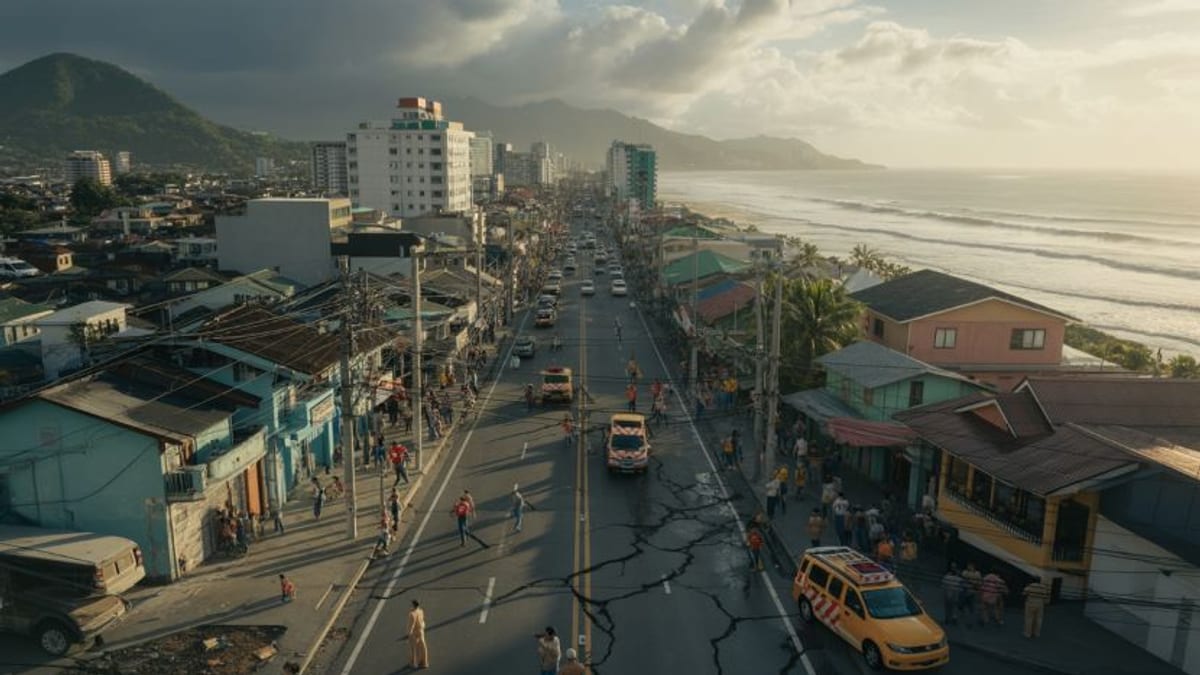
Deadly quake shakes Kumamoto at peak holiday period
Japan’s southern island of Kyushu was hit on 28 July by a strong earthquake centred in Kumamoto Prefecture, with published coverage describing a magnitude 7.1 event that caused widespread structural damage and killed at least a dozen people in the region. Local reports highlight the collapse and partial destruction of a large shopping mall, along with damage to factories and residential areas, with search operations for survivors continuing in the days since.
According to publicly available information from Japanese and international outlets, the shallow inland quake triggered intense shaking across Kumamoto City and neighbouring communities but only a limited tsunami advisory for nearby coastal areas. The advisory was later lifted, yet officials in Japan have warned that aftershocks may persist for days, and that the risk of additional landslides and building failures remains elevated in the hardest hit zones.
The disaster has revived painful memories of the 2016 Kumamoto earthquake sequence, which caused extensive damage across the same region. For travellers, the latest quake has resulted in temporary closures around damaged sites, disruptions to local rail and road networks, and heightened seismic alerts across Kyushu as engineers assess bridges, stations and other key infrastructure.
While Japan’s strict building standards are widely credited with reducing casualties compared with quakes of similar strength elsewhere, images of collapsed structures and damaged commercial centres are prompting renewed scrutiny of travel plans among visitors who were scheduled to pass through Kumamoto and surrounding areas in the coming weeks.
Australian government reminds travellers to monitor Smartraveller
In the wake of the quake, attention has turned to how it may affect Australians with upcoming trips to Japan. The Australian government’s Smartraveller platform continues to classify Japan as a popular but seismically active destination, and its Asia travel pages emphasise that earthquakes can occur with little warning and may cause significant localised disruption.
Recent updates on official channels encourage Australians overseas to subscribe for destination specific alerts and to closely monitor local media when natural disasters occur. While the overall advisory level for Japan has not been raised solely on the basis of the Kumamoto event, the messaging underscores the importance of understanding that travel conditions can change rapidly after a major quake, especially in the immediate vicinity of the epicentre.
Travel industry analysts note that Australian tourists are once again flocking to Japan during the northern summer, following several years of pandemic related disruption and a favourable exchange rate. The combination of higher visitor numbers and a sudden natural disaster has prompted tourism bodies and insurers to reiterate long standing advice about checking policy wording for natural hazard cover and registering travel details with consular services before departure.
Publicly available information from consular and emergency management agencies also points out that travellers should be prepared for indirect impacts, including power cuts, intermittent mobile coverage and changes to rail timetables in areas where inspections are underway. Even when major tourism hubs such as Tokyo, Osaka or Hokkaido are operating normally, a serious regional quake can have ripple effects across the national transport network.
Transport, accommodation and insurance impacts for visitors
For visitors already in Japan, the most immediate consequences of the Kumamoto earthquake are being felt through transport delays and local accommodation changes. Japan’s rail operators typically halt or slow services on affected lines until tracks, overhead wiring and tunnels are inspected, and domestic flights may be delayed or re routed while damage assessments are carried out at regional airports.
Some hotels and guesthouses in and around Kumamoto have reported structural checks, temporary closures or relocation of guests where buildings have suffered visible cracking or where utilities have been disrupted. Travellers passing through Kyushu in the coming days may find that alternative accommodation is limited in the most affected districts as emergency crews, displaced residents and media crews compete for available rooms.
Australian travel insurers generally treat earthquakes as natural disasters within the scope of existing policies, but coverage conditions differ between providers. Consumer advocates advise travellers to review product disclosure statements carefully, paying particular attention to clauses dealing with known events. Those who purchased insurance after the quake was widely reported may find that disruptions linked directly to this specific earthquake are excluded as a foreseen circumstance.
Airlines serving routes between Australia and major Japanese gateways such as Tokyo, Osaka and Fukuoka are largely operating on normal schedules, but travellers with onward domestic connections into Kyushu are being encouraged to leave extra time for transit and to remain flexible about routing. Rebooking options and fee waivers depend on individual airline policies and whether services to affected airports experience significant operational constraints.
Safety guidance for Aussies considering travel to Japan
Earthquake risk is a long recognised feature of travel to Japan, and emergency management agencies stress that preparation is essential, particularly for visitors unfamiliar with seismic events. Travellers are encouraged to learn basic protective actions such as dropping close to the ground, taking cover under sturdy furniture and holding on during strong shaking, as well as identifying evacuation routes and open spaces near their accommodation.
Public guidance from Japanese authorities and foreign governments recommends that visitors keep mobile phones charged, carry a portable battery pack and consider downloading locally recommended disaster alert applications, which can provide early warnings and post event information in multiple languages. Hotel staff, station announcements and televised emergency programming also play a key role in disseminating instructions during and after significant quakes.
For Australians planning itineraries that include Kyushu in the coming weeks, travel advisers suggest monitoring local government announcements, national broadcaster updates and railway operator notices for information about which areas are fully open to visitors. Many parts of Japan remain unaffected and continue to welcome tourists, but regions close to the epicentre may prioritise recovery operations and essential services over non essential travel for some time.
Experts on disaster resilience frequently highlight Japan’s capacity to rebound quickly from moderate to large earthquakes, thanks to strict construction codes and extensive preparedness drills. Nevertheless, the scenes from Kumamoto serve as a reminder that even in highly resilient countries, visitors should build flexibility into their plans, keep emergency contacts handy and be prepared to adjust routes or dates if local conditions deteriorate.
What Australians should do now about upcoming trips
Australians with imminent departures to Japan are being advised by tourism commentators to take a measured, information driven approach rather than cancelling reflexively. Key steps include confirming accommodation status in and around Kyushu, checking train and domestic flight schedules, and staying in touch with tour operators or booking platforms for any announced changes.
Those with bookings specifically in Kumamoto Prefecture may wish to discuss alternative destinations within Japan, such as shifting nights to nearby prefectures that have not experienced significant damage, or re balancing itineraries toward regions like Kansai, Kanto or Hokkaido. Many travel providers are offering flexible rebooking within Japan to accommodate route changes prompted by the disaster.
Prospective travellers are also encouraged to register for government travel alerts and to ensure that next of kin in Australia know their approximate itinerary and contact details overseas. Keeping copies of key documents in digital form, carrying some cash in Japanese yen and knowing the location of local shelters or designated evacuation sites can further improve resilience during unforeseen disruptions.
While the overall picture for travel to Japan remains broadly positive outside the immediate disaster zone, the deadly Kumamoto quake has underlined the importance of treating natural hazard risk as a central consideration rather than an afterthought. For Australians heading north over the coming months, informed preparation and close attention to evolving advice will be the best safeguards for a safe and enjoyable trip.