


More news on this day
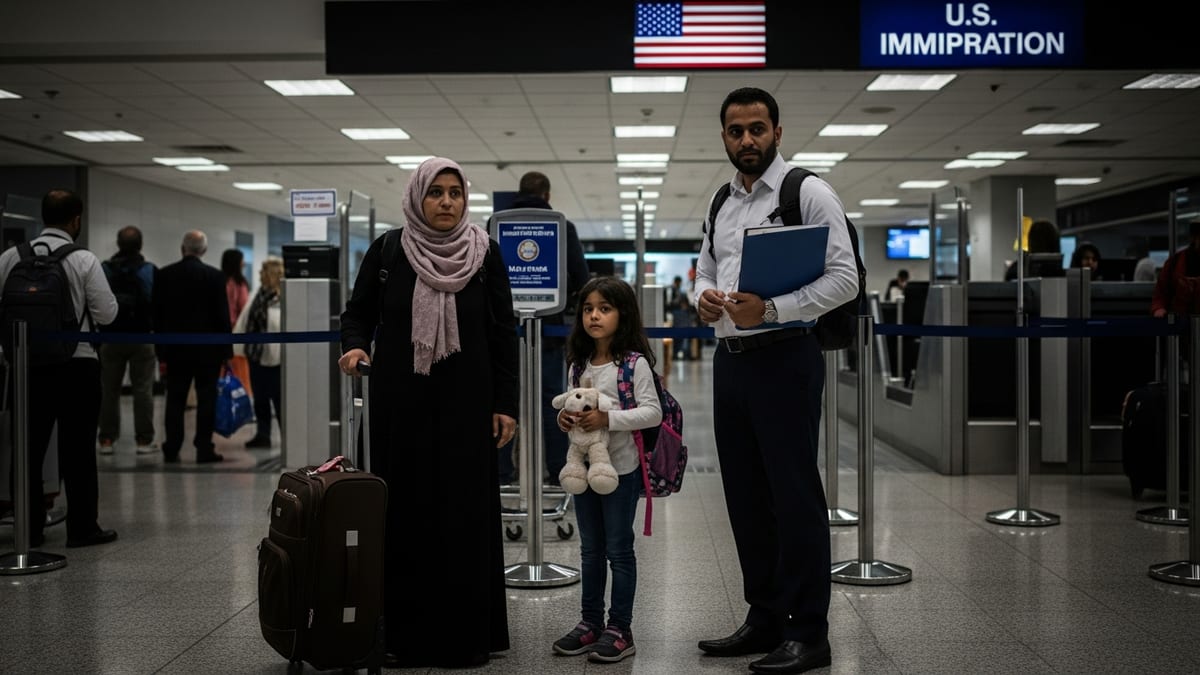
A broad coalition of civil rights and immigrant advocacy organizations has issued a rare travel advisory for visitors to the United States ahead of the 2026 FIFA Men’s World Cup, warning that current immigration enforcement practices and civil liberties concerns could expose certain travelers to heightened risk.
Get the latest news straight to your inbox!
A Coordinated Warning Ahead of a Global Tournament
The advisory, published in late April 2026, is aimed at fans, players, journalists and other visitors planning to travel to and within the United States for World Cup matches next summer. It is signed by more than 120 civil society groups, including prominent immigrant rights, racial justice and civil liberties organizations.
According to publicly available information, the document describes the advisory as a response to what groups characterize as a deteriorating human rights environment in the country. It highlights the scale of expected travel for the tournament and argues that visitors should be made aware of legal and practical risks before they arrive.
The warning focuses particularly on the 16 U.S. host cities that will stage World Cup matches. The advisory notes that most international visitors will pass through major airports and transport hubs in these metropolitan areas, where immigration and law enforcement activity is already concentrated and where additional security operations are anticipated around match days and fan events.
Organizers of the advisory frame the move as an attempt to fill what they see as an information gap for travelers who may be unfamiliar with the current U.S. landscape on immigration enforcement, protest rights, and discrimination protections. They present it as a tool for risk awareness and preparation rather than a call for an outright boycott of the tournament.
Why Immigrant, Minority and LGBTQ+ Travelers Are in Focus
The advisory states that all visitors could be affected by intensified security measures, but it singles out several groups it describes as “most vulnerable” to harm. These include people from immigrant communities, racial and ethnic minorities, and LGBTQ+ travelers, who the organizations say have faced disproportionate impacts from recent enforcement patterns and policy shifts.
Publicly available summaries of the document point to reports of expanded use of immigration detention, increased activity by federal immigration agencies in and around airports, and high profile enforcement operations in cities that will also host World Cup fixtures. The advisory argues that these trends heighten the risk of arbitrary stops, prolonged questioning, or detention based on immigration status or perceived nationality.
The groups also reference concerns about discrimination based on race, religion, and sexual orientation. They cite patterns documented by rights monitors, including accounts of targeted screening and secondary inspections at ports of entry, as well as incidents in which travelers have been questioned about political views or social media activity when entering the country.
For LGBTQ+ visitors, the document points to a climate shaped by state-level restrictions on gender-affirming care, public debates over transgender rights and recent protests that have sometimes drawn hostile counterdemonstrations. Advocacy organizations argue that, while many LGBTQ+ visitors travel to the U.S. without incident, the combination of legal changes and intensified rhetoric warrants specific caution for those planning extended stays or domestic travel between matches.
Key Risks Outlined for World Cup Visitors
The travel advisory organizes its concerns into several broad categories, beginning with immigration and border control. It flags the possibility of extensive questioning by Customs and Border Protection officers, searches of electronic devices, and referrals to secondary inspection for travelers whose nationality, name or prior travel history trigger additional screening.
Another area of emphasis is the potential for protest-related confrontations. The advisory notes that the United States has seen large demonstrations in recent years related to immigration enforcement, policing, and international conflicts, with some protests occurring near transportation hubs and federal buildings. It warns that visitors who choose to participate in demonstrations or who are present near protest sites could encounter heavy law enforcement responses, including crowd-control tactics and mass arrests.
The document also raises concerns about local policing around stadiums and fan zones. With millions of people expected to attend matches and related events, host cities are planning large security operations that may involve cooperation among municipal police, state troopers, and federal agencies. Advocacy groups caution that this multi-layered presence can be confusing for visitors and may increase the risk of inconsistent treatment or miscommunication, particularly for those who speak limited English.
For journalists and human rights observers, the advisory cites past episodes in which reporters or legal monitors documenting law enforcement activity have been detained, ordered to leave protest areas, or had equipment seized. It suggests that visiting media and advocacy workers should be prepared for varying approaches to press freedom and recording of public officials across different jurisdictions.
Practical Guidance and Response from Tourism Interests
Alongside its warning language, the advisory includes extensive practical guidance for travelers. It encourages visitors to understand their basic rights when interacting with immigration or law enforcement officers, to keep copies of identification documents accessible, and to share itineraries with trusted contacts who are not traveling with them.
The document recommends that noncitizen visitors familiarize themselves with the specific conditions of their visas, including any limitations on work activity, length of stay, or side trips to third countries. It also points readers toward existing public resources from legal aid organizations and immigrant rights groups that explain procedures such as secondary screening, detention, and access to counsel.
Travel industry representatives have pushed back on the advisory in media coverage, arguing that it overstates the risks and could harm workers and businesses that depend on tourism. Some business groups contend that the overwhelming majority of international visitors experience no serious problems when visiting the United States, and that destination marketing organizations and local authorities are preparing to welcome fans safely during the World Cup.
Advocacy groups behind the advisory respond in public statements that their aim is transparency rather than discouragement. They maintain that prospective visitors can make more informed decisions when they are aware of both the opportunities and the risks associated with travel, particularly in a year when global attention will be focused on the United States as a host nation.
What This Means for Travelers Planning World Cup Trips
For travelers, the advisory does not change visa rules or entry procedures, but it may influence how they plan their journeys. Prospective visitors may choose to build in extra time for airport screening, carry additional documentation demonstrating ties to their home countries, or consult legal resources in advance if they have complicated immigration histories.
Some tour operators and fan groups are already adapting their guidance to reflect the concerns raised. Public information suggests that certain supporter organizations are circulating know-your-rights materials, organizing group travel through specific entry points, and designating on-the-ground contacts who can help members navigate problems such as lost documents, missed connections or encounters with authorities.
Travelers with dual nationality, prior overstays, or pending immigration applications may be especially cautious, weighing whether to attend matches in person or follow the tournament remotely. Others may decide that the benefits of attending outweigh the identified risks but still take added precautions, such as avoiding involvement in domestic political protests while in the United States.
As ticket sales progress and travel plans solidify, the advisory underscores how deeply questions of immigration policy and civil liberties are now intertwined with global sporting events. For many prospective visitors, the decision to travel will involve not only logistics and cost, but also an assessment of personal risk and comfort in an environment that advocacy groups describe as unusually fraught for immigrants and marginalized communities.