


More news on this day
Passengers on SkyWest flight SKW5240 faced unexpected disruption when the regional jet, which had departed Denver on a routine service, diverted back to Denver International Airport shortly after takeoff, according to publicly available flight-tracking information and initial media coverage.
Get the latest news straight to your inbox!
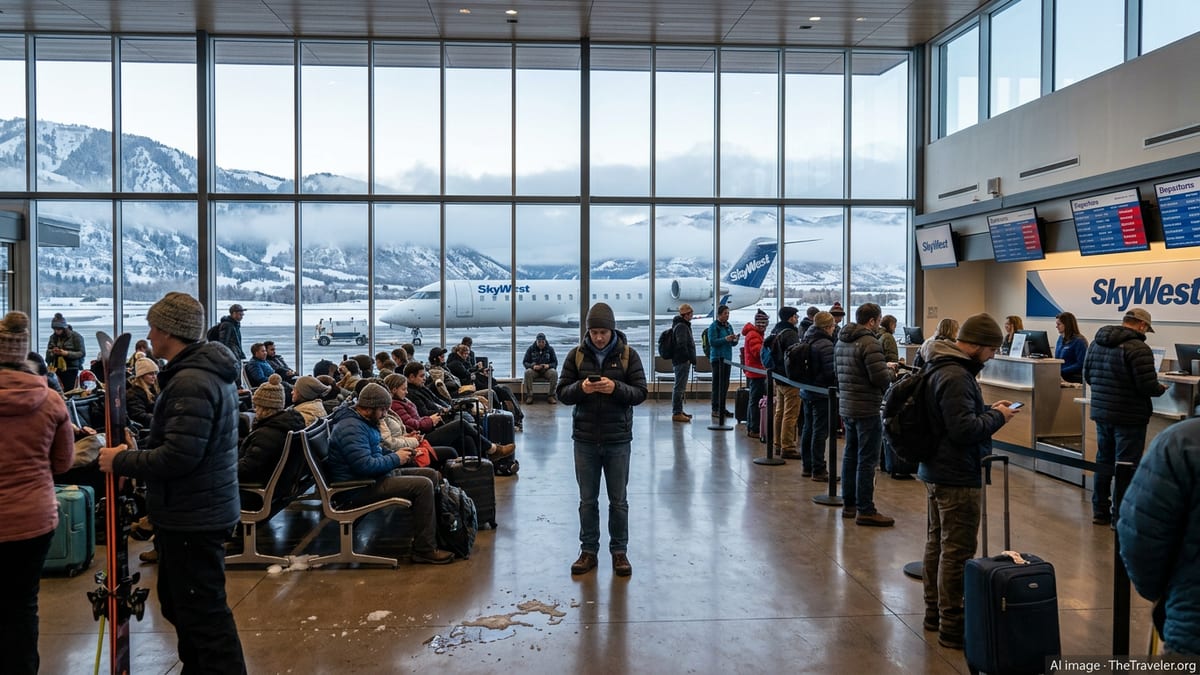
Flight Departs Denver Then Aborts Journey
SkyWest flight SKW5240 was operating as a regional connection from Denver International Airport under a major airline’s brand when the crew halted the journey and returned to the departure hub. Flight-tracking data shows the aircraft climbing out of Denver before leveling off and reversing course rather than continuing along its planned routing.
The flight had been scheduled as a short-haul regional service, part of SkyWest’s extensive operation linking Denver with smaller markets across the western United States. Schedules list the carrier as operating numerous daily departures of this type from Denver, reflecting the hub’s importance to the airline’s network.
Data from aviation-tracking platforms indicates that the aircraft spent a relatively brief time in the air before beginning its return toward Denver. The track suggests a controlled maneuver consistent with a precautionary diversion rather than a sudden or uncontrolled event.
Initial coverage from aviation-focused outlets and social media monitoring highlighted the diversion shortly after it occurred, drawing attention from frequent flyers and flight-tracking enthusiasts who regularly watch traffic in and out of Denver.
Safe Landing And No Immediate Reports Of Injuries
Publicly accessible information indicates that SKW5240 landed safely back at Denver International Airport with no immediate reports of injuries among passengers or crew. The aircraft followed standard arrival patterns into Denver after abandoning its original route.
While specific details about the underlying cause had not been formally outlined in early reporting, the flight’s behavior aligns with a precautionary decision by the operating crew to discontinue the trip. Aviation analysts often note that such diversions are typically taken out of an abundance of caution when any technical or operational concern arises.
After landing, the aircraft remained on the ground as airport operations and airline teams addressed the disruption. Travelers on board were expected to be rebooked or reaccommodated on later services, a common practice when regional flights are interrupted mid-journey.
Denver International Airport, one of the busiest hubs in the United States, regularly handles unscheduled returns and diversions within its daily operation, and flight schedules often absorb these events through reassignment of aircraft and crew.
Impact On Passengers And Downline Operations
For passengers on SKW5240, the diversion translated into significant delays and uncertainty as they awaited updated travel arrangements. Experiences shared on social platforms following similar Denver-area diversions typically describe extended time on the ground, lining up for assistance, and navigating last-minute itinerary changes.
Regional flights like SKW5240 often serve as key connectors into or out of major hub networks. When one leg is canceled or returns to origin, it can disrupt connecting travel plans, leading to missed onward flights and overnight stays. Airline customer-service teams generally work to prioritize travelers with tight connections, families, and those with limited alternative options.
Operationally, a diversion back to Denver can ripple through the schedule for both SkyWest and its major-airline partner, especially during peak travel periods or in challenging weather. Aircraft and crews may need to be repositioned, while subsequent departures from the same gate or using the same aircraft type can experience knock-on delays.
In recent months, travelers through Denver have reported experiencing a mix of weather-related and operational disruptions across several carriers. The SKW5240 event fits into a broader pattern in which regional jets occasionally divert or return to base, underscoring the fragility of tight hub-and-spoke schedules when unexpected issues arise.
Regional Flying Around Denver Under Close Watch
SkyWest is one of the largest regional airlines in North America and operates for multiple major carriers out of Denver. Airport traffic reports from Denver highlight the scale of regional flying in and out of the hub, with thousands of monthly passengers moving on flights marketed by mainline airlines but flown by SkyWest crews.
Observers of Denver’s air traffic note that regional jets frequently operate into high-altitude and weather-sensitive airports, where conservative decisions about diversions are common. These routes, often flown by aircraft like the Embraer 175 or Bombardier CRJ series, can be more exposed to performance limits and rapidly changing conditions than long-haul operations between larger airports.
Recent months have also seen other SkyWest-operated flights in the broader region diverting or holding due to storms, congestion, or precautionary technical checks, as highlighted in traveler accounts and aviation discussion forums. Those events, together with the SKW5240 diversion, have prompted renewed attention from frequent flyers on how regional operations manage risk and reliability.
At the same time, safety data for commercial aviation continues to reflect a very low rate of serious incidents, and industry commentators emphasize that diversions back to a major hub are often a sign of robust safety practices rather than an indicator of elevated danger.
What Travelers Can Expect After A Midflight Diversion
Events like the SKW5240 diversion highlight the practical realities travelers may face when a flight turns back after departure. Passengers typically can expect rebooking on the next available flight to their destination, though options may be limited on smaller regional routes. In some cases, travelers may be routed through different hubs or placed on alternative carriers.
Standard airline policies usually provide meal vouchers or hotel accommodations when delays or cancellations extend overnight, subject to each carrier’s specific contract terms. In the case of regional operations, those policies are generally aligned with the major-airline brand under which the flight is marketed.
For travelers seeking to minimize disruption, aviation experts often recommend monitoring flights with tracking apps, remaining attentive to gate announcements, and contacting customer service quickly through mobile apps or call centers once a diversion or cancellation becomes clear.
While SKW5240’s diversion created inconvenience for passengers, the safe return of the aircraft to Denver reflects established industry practice: when in doubt, turn back to a major hub with extensive maintenance and support resources available on the ground.