


More news on this day
An Envoy Air Embraer 175 operating as American Eagle flight MQ4023 from Chicago O’Hare to Pensacola diverted to Montgomery Regional Airport on July 30, 2026, after the crew made an unscheduled stop en route. Publicly available flight-tracking data indicate the aircraft landed safely in Alabama, with no immediate reports of injuries among those on board.
Get the latest news straight to your inbox!
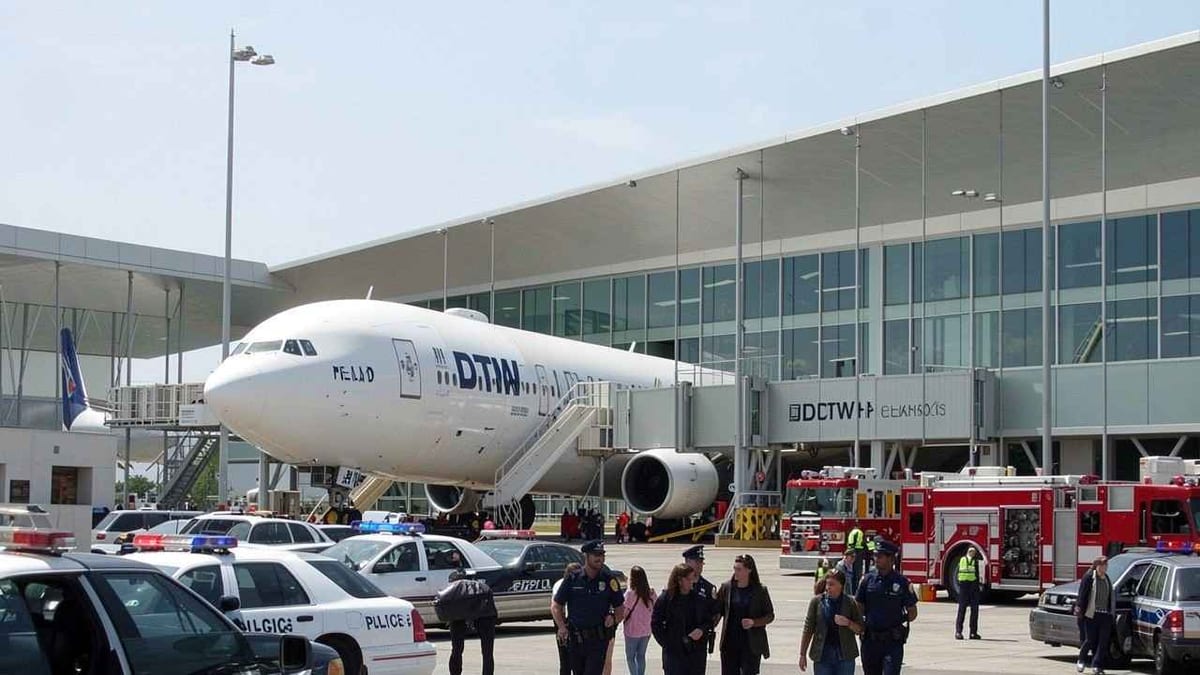
Unscheduled Stop Along a Busy Summer Corridor
The Chicago–Pensacola corridor has been heavily traveled during the summer of 2026, with regional jets such as the Embraer 175 frequently used on leisure routes linking Midwest hubs with Gulf Coast destinations. On July 30, flight MQ4023, marketed under the American Eagle brand and operated by Envoy Air, departed Chicago O’Hare as a regularly scheduled service bound for Pensacola International Airport.
According to publicly accessible flight-tracking information, the Embraer 175 followed its expected southbound route before altering course toward central Alabama. The change occurred after the aircraft had reached cruising altitude, with tracking data showing a descent and turn that aligned with a diversion to Montgomery Regional Airport, a joint civil–military facility that routinely handles regional jet traffic.
The flight completed a safe landing at Montgomery, where the diversion effectively interrupted the planned nonstop service to Florida’s western Panhandle. Initial information available to the public did not specify the exact reason for the diversion, a common situation in the early hours after such irregular operations.
The diversion added an unexpected stop for passengers heading to the Gulf Coast, underscoring how even routine regional flights can be disrupted by operational, technical, or weather-related factors that do not become immediately clear to the traveling public.
What Is Known So Far About Flight MQ4023
Publicly available tracking data for July 30, 2026, show MQ4023 departing Chicago O’Hare on time for its scheduled journey to Pensacola. The aircraft involved was an Embraer 175, a twin-engine regional jet widely used in North American regional networks, typically configured with around 76 seats in a mixed-class layout.
As the flight progressed southward, tracking records show the aircraft deviating from its direct path to the Florida Panhandle and instead aligning with an approach into Montgomery. Data points indicate a standard descent profile into the Alabama airport, consistent with a controlled, planned diversion rather than an emergency landing with abrupt or irregular flight patterns.
Reports available in the public domain in the hours following the event focused largely on the fact of the diversion and the safe completion of the landing, with no immediate indication of injuries or evacuation procedures. As is often the case with regional diversions, further operational details, such as whether passengers continued onward to Pensacola on the same aircraft or were re-accommodated on later flights, were not immediately documented in publicly accessible records.
Envoy Air operates flights on behalf of American Airlines under the American Eagle banner, and the MQ flight designator is typically used in internal and operational contexts. For travelers, the service would have appeared in booking systems and airport displays under the American brand with an associated American Eagle designation.
Montgomery Regional’s Role as an Alternate Airport
Montgomery Regional Airport frequently serves as a diversion point for flights operating in the southeastern United States, including traffic linked to major hubs such as Dallas–Fort Worth, Charlotte, Atlanta, and Chicago. The airport’s runways and facilities are designed to accommodate regional jets and narrowbody aircraft, making it a practical alternate for carriers facing route disruptions.
Historical records and prior coverage of operations at Montgomery highlight that regional jets from American Eagle and other branded regional affiliates routinely use the airport for both scheduled services and occasional diversions. Its geographic position along key north–south and east–west corridors in the Southeast makes it a logical choice when weather, congestion, or technical issues affect flights bound for smaller coastal airports.
On July 30, 2026, flight MQ4023’s diversion to Montgomery reflected this established role. For passengers, the choice of Montgomery as an alternate would have meant access to ground services, terminal facilities, and potential rebooking options that might not be as readily available at smaller airfields.
While the specifics of ramp handling, passenger transfers, and any onward arrangements for MQ4023 were not detailed in the public record, the airport’s infrastructure is generally suited to support such unplanned arrivals with standard regional-jet handling procedures.
Diversions as a Routine Safety and Operational Measure
Although diversions often draw heightened attention from travelers following flights online, they are a recognized and regular part of airline operations. When conditions deviate from the planned scenario, commercial flight crews have broad discretion under aviation regulations and airline procedures to select a suitable alternate airport.
In North American airspace, factors that can prompt a diversion include adverse weather along the route or at the destination, air traffic control constraints, operational considerations such as fuel or crew duty time, and technical issues that warrant precautionary landings. Public aviation data and past case studies show that regional jets like the Embraer 175 are no exception to these patterns, with occasional diversions recorded across many carriers and routes.
When a diversion occurs, the priority remains to bring the aircraft safely to a suitable airport. Passengers typically experience extended travel times or missed connections, but modern airline recovery practices focus on rebooking and onward movement once the aircraft is on the ground and any underlying issue is addressed.
The diversion of MQ4023 on July 30 fits within this broader context: a mid-route change of destination that resulted in a safe arrival at an alternate airport, followed by the operational task of moving customers to their intended endpoint on the Gulf Coast.
Impact on Travelers in the Chicago–Gulf Coast Market
The Chicago to Pensacola market has seen significant demand in recent peak travel seasons, with regional aircraft like the Embraer 175 forming an important link between the Midwest and Florida’s beaches. Diversions along this corridor can create ripple effects for travelers, particularly when aircraft and crews are repositioned away from their scheduled rotations.
For passengers on MQ4023, the July 30 diversion likely resulted in delays in reaching Pensacola or required connections through alternate airports. In similar events reported across the United States during the busy summer of 2026, travelers have often faced missed hotel check-ins, rescheduled rental cars, and altered vacation itineraries when diversions disrupted late-day arrivals into leisure destinations.
Despite the inconvenience, aviation safety records and industry analyses consistently emphasize that diversion decisions are taken in the interest of maintaining safety margins and ensuring that any emerging issue is managed on the ground rather than in the air. For airlines, managing customer expectations and providing timely updates has become a key aspect of handling such irregular operations, particularly as more passengers track flights in real time through mobile apps and aviation websites.
As the summer travel season continues, the diversion of Envoy Air flight MQ4023 to Montgomery Regional Airport stands as one of the many operational adjustments playing out across the national air network, illustrating how regional flights remain subject to the same complex variables that shape long-haul and mainline operations.