


More news on this day
A technical problem with the nose wheel of a British Airways Airbus A320 at London Gatwick Airport has blocked a main runway and triggered hours of disruption, with diversions, extended delays and widespread knock-on effects across the UK aviation network.
Get the latest news straight to your inbox!
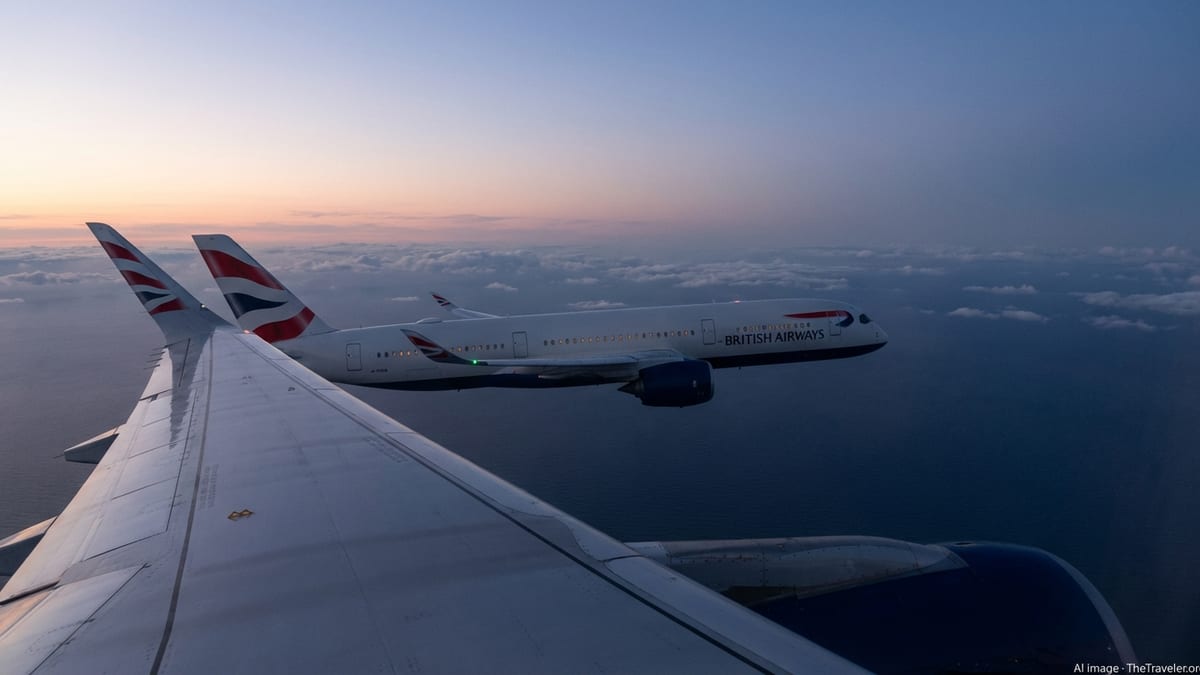
Runway blockage after nose wheel failure halts Gatwick arrivals
Publicly available flight tracking data and specialist aviation reports indicate that the incident unfolded on the evening of 14 July 2026, when a British Airways Airbus A320 arriving at London Gatwick became stranded on runway 08L following a nose wheel steering problem. The aircraft, operating a short-haul European service, came to a halt on the runway and was unable to vacate under its own power.
Images shared on social media and eyewitness accounts compiled by UK broadcasters show emergency vehicles surrounding the aircraft as it remained stationary on the tarmac. Passengers were reported to have disembarked normally, with no injuries, while ground crews and engineers examined the nose gear area before arranging for the jet to be towed clear.
The immobilised aircraft left Gatwick operating with only one usable runway, which was temporarily unavailable while checks were carried out. With arrivals suspended and departures restricted, approaching aircraft were held in lengthy stacks over the south of England before being rerouted to other airports.
Operational summaries compiled by aviation data sites describe the situation as an unplanned runway closure event, noting that the combination of a blocked runway and heavy evening traffic volumes quickly overwhelmed available holding patterns and diversion options.
Fuel emergencies and diversions ripple across the UK
Traffic visualisations from multiple flight-tracking platforms show that, at the height of the disruption, a cluster of commercial aircraft near London began transmitting emergency squawk codes associated with fuel concerns. Enthusiast forums and real-time tracking communities counted up to nine aircraft in the wider Gatwick area declaring emergencies as they sought priority landings at alternative airports.
Arrivals originally destined for Gatwick were diverted to a range of UK airports including London Luton, London Stansted and airports further afield, adding considerable distance and complexity to already extended flights. Some aircraft were observed entering additional holding patterns near their diversion fields, further tightening fuel margins and prompting crews to request emergency handling.
Reports compiled by national media and regional outlets describe passengers facing unscheduled landings hundreds of kilometres from their intended destination, with onward travel arrangements complicated by late-night timings and limited ground transport. Airlines across the UK and Europe were required to reorganise aircraft and crew positions overnight to recover disrupted schedules.
Industry analysts noted that London’s airspace is particularly vulnerable to sudden constraints at one of its major airports, as capacity at nearby hubs can be rapidly saturated when multiple diversions arrive in quick succession. The Gatwick event therefore had consequences well beyond a single aircraft fault, briefly straining resilience across the southeast England air traffic system.
Knock-on delays for airlines and passengers into the next day
Although the affected British Airways A320 was eventually towed from the runway and Gatwick resumed arrivals later the same evening, the backlog of aircraft and displaced crews meant delays persisted into the following morning. Timetables published by airlines and airport information boards showed a mix of cancellations, rolling delays and aircraft substitutions on short-haul services.
Travel blogs and passenger accounts described overnight waits at diversion airports, with some customers provided with hotel accommodation while others were rebooked onto flights departing the next day. For travellers with onward connections from London, missed links translated into rearranged itineraries, additional stopovers and, in some cases, abandoned trips.
Operational updates from carriers indicated that aircraft originally scheduled to overnight at Gatwick were left out of position because of the diversions, complicating early-morning departures. Crews also reached duty-time limits after extended flight and ground delays, further restricting the ability to recover normal operations quickly.
Analysts pointed out that the incident followed a period of already heightened disruption across the UK and European network, including weather-related delays and congested airspace. Against that backdrop, the runway blockage amplified existing strains on schedules, leaving little spare capacity to absorb the shock.
Focus on Airbus A320 nose gear reliability and safety procedures
The Airbus A320 family is one of the most widely used short-haul aircraft types at Gatwick, and nose wheel steering alerts are a known though relatively uncommon technical issue. Aviation safety records and previous incident reports from international investigators describe several cases worldwide where A320-series aircraft experienced nose gear malfunctions or steering faults, usually resolved with precautionary procedures and without injuries.
According to technical summaries from past events, the A320 is designed to remain controllable on landing even with degraded nose gear steering, with pilots trained to follow checklists that may include stopping on the runway and awaiting a tow if there is any doubt about manoeuvrability. The Gatwick incident appears to have followed this conservative approach, prioritising a stable landing and secure stop rather than risking a runway excursion during vacating.
Specialist commentary in the aviation press emphasised that, despite the scale of disruption for passengers, the combination of crew training, aircraft design and airport emergency planning helped prevent the technical failure from escalating into a more serious safety event. The episode is expected to feature in routine reviews of equipment reliability data and airline maintenance planning for the A320 fleet.
Regulators and safety bodies typically log such occurrences as incidents for monitoring trends, even when there is no damage to the aircraft. Any formal inquiry would be expected to examine maintenance records, component performance and the sequence of crew and air traffic responses, with the aim of refining procedures and minimising the risk of a repeat runway blockage.
What the incident means for travellers using London Gatwick
For passengers, the British Airways nose wheel failure highlighted how quickly a single operational issue at one of London’s busiest airports can cascade into widespread disruption. Travel advisories published after the event encouraged customers flying to or from Gatwick to allow extra buffer time around tight connections, especially during peak summer periods when schedules are densely packed.
Consumer advocates noted that, while technical faults are generally classified as extraordinary circumstances outside an airline’s control, carriers are still expected to provide care and assistance, including meals, communication and accommodation where necessary. Many travellers affected by the Gatwick disruption turned to customer service channels and claims platforms to seek clarity on their entitlements.
For the airport and airlines based there, the incident underlined the importance of rapid runway clearance capabilities, robust towing and recovery arrangements, and clear passenger communication when events unfold in real time. Industry observers suggested that future planning may include additional contingency scenarios for high-demand evenings, when diversions can quickly strain both airspace and ground resources.
In the days following the incident, UK aviation continued to operate at near-normal levels, but the Gatwick runway blockage has become a fresh case study in how a localised technical fault, handled safely from a flight operations perspective, can still reverberate across an entire national network and reshape thousands of travel plans in a matter of hours.