


More news on this day
Persistent heavy rain and flooding across parts of Mozambique are disrupting travel on key roads and slowing operations at major airports, creating delays for residents, tourists and aid workers moving through the country.
Get the latest news straight to your inbox!
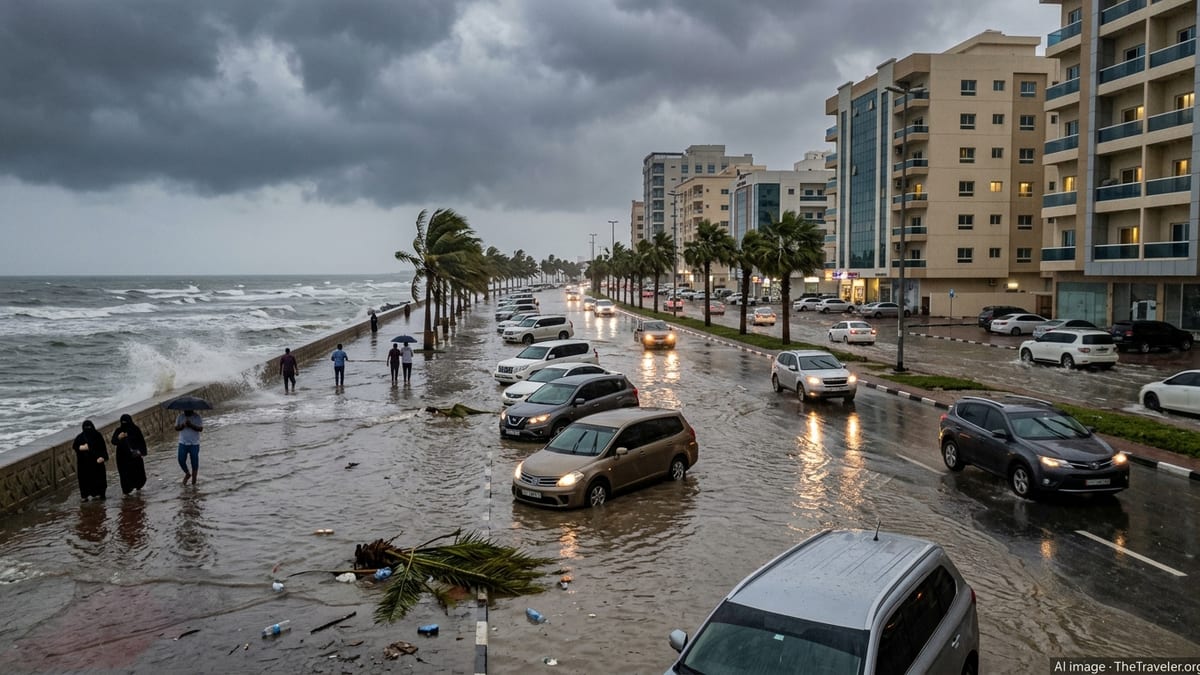
Flooded Roads Sever Key Transport Links
Recent flooding during Mozambique’s 2025/2026 rainy season has left sections of important national highways under water, particularly in low-lying southern and central regions. Publicly available information indicates that closures and difficult driving conditions have been reported on stretches of the EN1, the country’s main north-south artery, as well as on secondary roads that connect rural districts to provincial capitals.
Travel advisories from several governments describe how heavy rainfall has made some routes impassable at short notice, especially around major river basins where floodwaters are slow to recede. Drivers on long-distance routes between Maputo, Gaza and Inhambane, and on corridors linking the coast to inland provinces, are facing sudden detours, washed-out sections and congestion where traffic is forced onto alternative roads.
Unpaved and poorly maintained local roads have been particularly hard hit. Recent assessments by humanitarian and development agencies note that many feeder roads become difficult or impossible to use in the rainy season, cutting off smaller communities and delaying the movement of supplies. Reports indicate that four-wheel-drive vehicles are often required away from primary highways, and that journey times in affected provinces have increased sharply.
These constraints are adding pressure to an already fragile transport network. Earlier storms and cyclones over recent years have damaged bridges, culverts and drainage systems, and in many locations only temporary repairs have been carried out. Fresh downpours are now exploiting those weaknesses, resulting in repeated closures and lengthy delays for road users.
Airport Operations Slowed by Adverse Weather
Air travel has also been affected as rain, low cloud and thunderstorms reduce visibility and force adjustments to flight schedules. According to published coverage on recent flood and cyclone seasons, disruptions have been reported at key hubs such as Maputo and Beira, where poor weather can delay arrivals and departures or require diversions to other airports.
Aviation guidance notes that heavy rain and crosswinds may limit runway use, increase aircraft separation and slow baggage and cargo handling on the apron, all of which add minutes or hours to turnaround times. In periods of sustained bad weather, this can lead to knock-on delays across domestic networks, affecting passengers traveling to northern destinations like Nampula, Pemba and Lichinga.
Humanitarian logistics updates for 2026 describe how aid flights supporting the flood response have had to work around adverse conditions, with aircraft sometimes held on the ground until weather windows allow safe operations. While international services have generally continued, travelers are being advised through public information channels to monitor airline notifications closely and allow extra time at departure airports.
Smaller regional airstrips have even less capacity to operate during severe weather, due to shorter runways, limited navigation aids and basic ground infrastructure. When conditions deteriorate, these facilities may temporarily suspend movements, leaving remote communities reliant on road convoys or river transport until flights can safely resume.
Tourism and Business Travel Face Extended Journey Times
The timing of the recent bad weather has complicated travel plans for visitors drawn to Mozambique’s coastline and national parks. Tourists heading to popular beach destinations in southern provinces, as well as to islands accessed via coastal ports and airstrips, are reporting lengthier transfers as drivers navigate around flooded sections or slow convoys on damaged roads.
Travel advisories highlight that, in the current conditions, overland journeys that normally take a day may require significantly longer, and that schedules built with tight connections between road and air segments carry greater risk. This is particularly true where travelers are attempting to link early-morning flights with overnight road trips from inland areas still recovering from flood impacts.
Business travel has also been affected. Companies operating in energy, mining and agriculture rely on regular movements of staff and equipment between Maputo, Beira and project sites in Sofala, Tete and Cabo Delgado. Publicly available logistics reports indicate that delays on trunk roads and intermittent flight disruptions are complicating planning, increasing costs and stretching vehicle fleets and charter services.
For both leisure and corporate travelers, the combination of uncertain road conditions and weather-sensitive flight operations is prompting a more cautious approach. Travel planners are building in additional buffer days, using flexible tickets and, where possible, routing through better-served hubs to reduce the risk of missed connections.
Humanitarian Operations Struggle With Access Constraints
The same bad weather slowing tourism and commercial traffic is also hampering humanitarian efforts in flood-affected provinces. Situation reports from United Nations agencies and humanitarian partners describe how inundated roads, damaged bridges and soft ground have restricted access to communities in parts of Gaza, Inhambane, Sofala and Zambezia.
Relief organizations moving food, medical supplies and shelter materials from coastal hubs inland have faced repeated interruptions as vehicles encounter impassable stretches or must wait for waters to subside. In some cases, aid agencies have relied more heavily on air transport, using Maputo and Beira airports as staging points for flights into hard-to-reach areas when security and weather conditions allow.
These disruptions have broader knock-on effects for local markets and public services. When trucks carrying essential goods are delayed, stocks of fuel, staple foods and medicines can run short, and prices may rise. Health services already under pressure from flood-related disease risks face further strain when staff and supplies cannot move easily between facilities.
Logistics specialists warn in public briefings that a prolonged pattern of intense rainfall, combined with limited investment in resilient roads and runways, will continue to expose Mozambique’s transport system to weather-related shocks. They emphasize that better drainage, raised roadbeds, improved bridge design and upgraded airport infrastructure would all help reduce the scale of future disruptions.
Advice for Travelers Navigating Mozambique’s Weather Risks
Given the current conditions, travel experts and official advisories recommend that visitors to Mozambique closely track weather forecasts and road information before and during their journeys. In practice this means confirming whether planned routes are open, checking recent reports from local authorities and international partners, and maintaining flexible itineraries that can be adjusted if conditions worsen.
For those flying in or out of Mozambique, publicly available aviation guidance stresses the importance of monitoring airline and airport communications on the day of travel, as schedules can change at short notice in response to thunderstorms or reduced visibility. Arriving early at the airport, carrying essential items in hand luggage and preparing for potential waits can help travelers cope more easily with delays.
Travelers planning overland trips into rural or flood-affected areas are being urged through travel advice channels to use suitable vehicles, carry sufficient fuel and water, and avoid driving at night when hazards such as washed-out sections and debris are harder to spot. Where possible, using experienced local drivers and opting for well-established transport providers can reduce risk.
As Mozambique continues to navigate an intense rainy season and the lingering impacts of recent floods, anyone on the move by road or air is likely to encounter some level of disruption. Careful planning, up-to-date information and a willingness to adapt plans remain essential for safe and predictable travel across the country.