


Fort Lauderdale is one of those rare beach cities that works almost year-round. The water stays warm, cruise ships sail in every season, and there is a steady stream of festivals and events. Yet the experience can feel very different depending on whether you arrive in January for winter sun, March for spring break, or September in the heart of hurricane season. This guide breaks down when to visit Fort Lauderdale for the best beaches, cruises, and lower prices, with real-world examples so you can match your travel dates to your priorities.
Get the latest updates straight to your inbox!
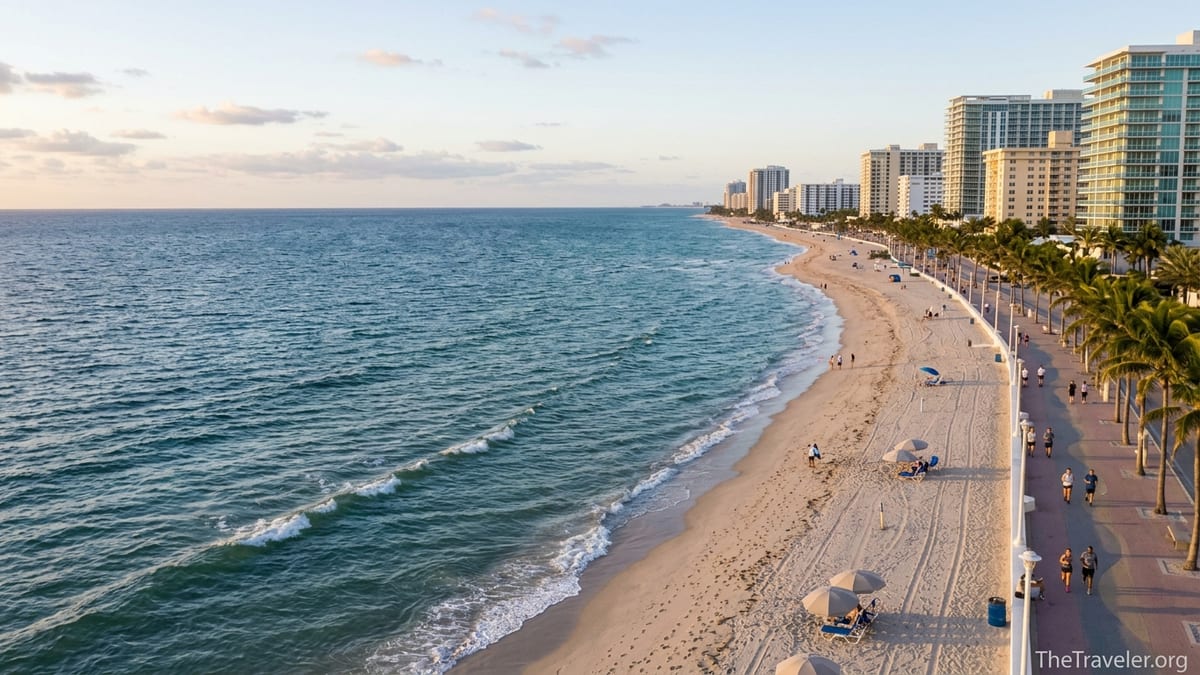
Weather by Season: How Fort Lauderdale Really Feels Month to Month
Greater Fort Lauderdale enjoys a tropical climate with an annual average temperature around the upper 70s Fahrenheit and plenty of sunshine, which is why it markets itself as a year-round beach destination. In practical terms, that means even in the coolest months you can sit outside at a café along Las Olas Boulevard in a light shirt, and in the hottest months you will be darting between air-conditioned shops and the ocean to cool off.
Winter, from December through February, is Fort Lauderdale’s dry and pleasantly warm season. Daytime highs typically sit in the mid 70s to low 80s Fahrenheit, with lower humidity and relatively little rain compared with summer. On a typical January day you can walk the seven miles of city beaches comfortably in the afternoon and still need only a light layer in the evening for waterfront dining on the Intracoastal.
From March through May, temperatures climb into the low and mid 80s with rising humidity. This is prime “hot but not oppressive” beach weather for many visitors. It is warm enough for long days in the water without the peak summer steaminess. In late spring a typical afternoon pattern sets in, with brief, sometimes intense showers that roll over the city, clear the air, and quickly give way to sun again.
Summer and early fall, from June through October, are hot, humid, and wetter. Average highs hover around the upper 80s to around 90 degrees, and the ocean feels like a warm bath. Locals plan beach time early in the morning or late in the afternoon, retreating indoors for a few hours when thunderstorms flare up. If you are used to dry heat, the combination of temperature and humidity will feel more intense, but for strong sun seekers this is the season when the days feel endlessly summery.
Beach Conditions: Water Temperature, Sun, and When It Feels Best
For most visitors, “best beach weather” means warm air, warm water, and enough of a breeze to keep the heat comfortable. In Fort Lauderdale, that sweet spot usually runs from late March through May and then again in October and early November. During those windows, sea temperatures are typically in the mid to upper 70s or low 80s Fahrenheit, and the combination of sun and air temperature makes it easy to spend hours swimming or paddleboarding just off Fort Lauderdale Beach Park.
Winter is also very beach friendly, especially for travelers from colder climates. In January and February, the ocean is usually in the low 70s Fahrenheit, which some swimmers find brisk but perfectly manageable once you are in. You will see plenty of people snorkeling near the reefs off Lauderdale-by-the-Sea or taking morning walks along the hard-packed shoreline north of Las Olas, often in shorts and light jackets early and late in the day.
By late summer, typically August and September, the water can feel almost tropical, often in the low to mid 80s. That makes long swims and stand-up paddle sessions extremely comfortable, but it also means you will want good sun protection and frequent breaks. This time of year, locals often bring shade tents and cooling towels to the beach, and many visitors choose oceanfront hotels with shaded pools facing the Atlantic so they can alternate between the two.
Wind and waves vary more by weather pattern than by strict season, but winter and spring generally see slightly choppier seas that surfers appreciate, while late spring into early summer tends to bring calmer water that is better for families with younger children. On many days from April through June you will find near-glass conditions in the morning, with paddleboarders gliding past the beachfront resorts before afternoon breezes pick up.
Winter Sun and Peak Season: December to April
December through April is classic peak season in Fort Lauderdale. The weather is at its most reliable, with lower humidity and abundant sunshine, and large numbers of visitors arrive from colder parts of North America and Europe. Cruise traffic at Port Everglades is also at its strongest in these months, with major lines such as Royal Caribbean, Celebrity Cruises, and Princess basing multiple ships here for winter Caribbean itineraries. On a Saturday in January you might see several large ships docked at once while the beachfront hotels are close to full.
Hotel and rental prices reflect that demand. A mid-range oceanfront hotel along A1A that might start around 200 to 250 dollars per night in late summer can edge toward 350 dollars or more on February weekends, especially during long holiday periods and popular cruise turnarounds. Upscale brands directly on the sand, from big-name resorts near Las Olas to boutique properties in Lauderdale Beach, often price significantly higher in February and March, and they tend to sell out well in advance for Presidents Day and spring break weeks.
The atmosphere in winter is busy but not necessarily rowdy. You will encounter cruise passengers adding a night or two pre or post sailing, snowbirds staying for weeks at a time, and families who time their visit with school breaks in December or March. Beachfront restaurants may have waits around sunset, especially along Fort Lauderdale Beach Boulevard, and traffic near the port can be heavy on big turnaround weekends. If you enjoy a lively scene and want near-guaranteed sun, this is an excellent time, but you should budget accordingly.
For travelers focused on winter sun but hoping to avoid the very highest rates, early December before the Christmas holidays or late April after the peak of spring break can be a smart compromise. During these shoulder weeks you still get comfortable weather and an active dining scene, but average nightly hotel prices often dip compared with the core of January through mid-March, and you will find more last-minute availability.
Spring Break and Crowd Levels: March and Early April
Fort Lauderdale has a long history with spring break, and while it is no longer the unruly hotspot depicted in mid twentieth century films, March and early April still bring a noticeable surge in younger visitors. Many colleges and schools across the United States schedule breaks at some point between early March and mid April, and those weeks are among the busiest on the city’s beaches. Hotel lobbies along the central strip fill with small groups of friends in beachwear, and you will see more bar promotions and live music in the evenings.
For beachgoers, the impact is most obvious in the afternoons. On sunny March Saturdays, central stretches of Fort Lauderdale Beach between Las Olas and Sunrise Boulevard can feel packed, with towels laid edge to edge, volleyball games in full swing, and long lines at casual spots selling frozen drinks and fish tacos. If you would like a quieter patch of sand during this period, you may prefer heading north toward Lauderdale-by-the-Sea or south toward Dania Beach, where the vibe is more low key even when central Fort Lauderdale is full.
Prices track the demand. A basic but well-located hotel a short walk from the beach that might charge around 150 to 180 dollars per night in October can sit closer to 250 dollars or higher in mid March. Vacation rentals, from high-rise condos overlooking the Intracoastal to small apartments west of the beachfront, also see strong March pricing, and minimum stays may increase. If your visit must line up with school schedules, it is wise to book several months ahead and to consider midweek arrivals, which can sometimes be slightly less expensive than Saturday check-ins.
If you prefer to avoid spring break crowds altogether, you may want to steer clear of roughly the first three weeks of March. Early February or late April often delivers similar weather with fewer college groups, shorter restaurant waits, and slightly calmer evenings along the strip, especially from Sunday to Thursday.
Summer Heat and Hurricane Season: June to November
Official Atlantic hurricane season runs from June 1 to November 30, and Fort Lauderdale, like the rest of South Florida, is part of this zone. That does not mean the city is constantly under threat, but it does mean that from late summer to mid fall, visiting involves an extra layer of weather awareness. Tropical systems are most common from August through October, and travelers booking during this window often look for flexible airline tickets and accommodation with reasonable change or cancellation policies.
On ordinary summer days, the dominant experience is not storms but heat and humidity. From June through September, daytime highs are usually in the upper 80s to around 90 degrees, and it can feel hotter under direct sun. Afternoon thunderstorms are common, often building rapidly, dropping heavy rain for 30 to 60 minutes, and then clearing. Locals plan outdoor activities in the early morning or close to sunset when the sun is lower, and this is a good pattern for visitors too, especially if you are planning long bike rides along the beach promenade or kayaking trips in the nearby waterways.
From a pricing perspective, late summer and early fall are typically when you find some of the lowest rates of the year. Large booking platforms frequently show price drops for Fort Lauderdale hotels in August, September, and early October, in some cases with nightly rates under 150 dollars at respectable mid-range properties that sit a short walk or brief rideshare from the beach. Even high-end oceanfront resorts sometimes advertise value-added packages during this period, such as including daily breakfast or resort credits, to attract guests during the slower season.
If you choose to visit in the core of hurricane season for the savings, it helps to be flexible. Consider travel insurance that covers weather-related disruption, and build some slack into your schedule in case heavy rain closes beaches for a day or strong storms affect flights. When conditions are calm, you will enjoy very warm water, open space on the sand, and shorter waits at popular restaurants on Las Olas, but you should accept that a portion of your stay might involve watching thunderstorms from under a covered pool deck rather than long uninterrupted days on the beach.
Cruise Season at Port Everglades: Timing Your Sailing
Port Everglades, located just south of central Fort Lauderdale, is one of the busiest cruise ports in the world, handling several million passengers each year on lines that include Royal Caribbean, Carnival, Celebrity, Princess, and others. Ships sail from here year-round, with itineraries focused mainly on the Caribbean and Bahamas. For many travelers, the question is not whether to sail in or out of Fort Lauderdale, but when to combine their cruise with a beach stay for the best conditions and value.
Peak cruise season aligns closely with Fort Lauderdale’s winter high season from roughly November through April. This is when many of the largest ships homeport at Port Everglades, and weekend schedules can see multiple vessels embarking and disembarking guests on the same day. For example, on a typical Saturday in February you might find several large ships simultaneously in port, each with capacity in the thousands, creating a busy but energetic scene at the terminal and nearby hotels.
Because so many guests add a night before or after their cruise, hotel prices near the port and airport tend to rise on popular sailing days. A business-style hotel within a short shuttle ride of Port Everglades might be under 150 dollars midweek in late October but significantly higher on a February Saturday when multiple Caribbean itineraries depart. If you want to keep costs down, consider arriving one or two nights before your cruise and staying slightly farther from the port, perhaps in a property west of US 1 or north toward Oakland Park, and then taking a taxi or rideshare to the terminal.
Shoulder months like late April, May, and early November can be an appealing compromise. There are still plenty of ships in port, but the overall volume of passengers is slightly lower, and you are more likely to find reasonably priced hotels and fewer crowds at security and check-in. Summer sailings tend to attract more families with children because of school holidays, so if you prefer a quieter onboard atmosphere and flexibility in pricing, early winter or late spring itineraries may suit you better.
Hotel and Rental Prices: When Fort Lauderdale Is Cheapest
Accommodation costs in Fort Lauderdale swing meaningfully across the year, often making as much difference to your trip budget as flights do. In peak winter months, especially January through mid March, nightly rates at in-demand oceanfront properties can be among the highest in Florida outside of major holiday weeks. Luxury hotels directly on the sand commonly post rates that climb into several hundred dollars per night, and even modest properties close to the beach may command 250 dollars or more for weekend stays.
By contrast, late summer and early fall usually bring noticeable relief. In August and September, you can often find well-reviewed chain hotels within a short drive of the beach for well under 200 dollars per night, particularly if you are flexible on exact location and book Sunday through Thursday stays. Vacation rentals follow a similar pattern. Beach-proximate condos that earn premium nightly rates in February may be substantially cheaper in September, with hosts more open to negotiation on longer stays or offering discounts for week-long bookings.
Within each season, specific days of the week and event periods also matter. Friday and Saturday nights near Port Everglades can be expensive year-round because of cruise turnover, while Monday arrivals at city hotels sometimes show lower average prices. Major events, such as the Fort Lauderdale International Boat Show in late October, can temporarily push rates close to high-season levels despite the broader shoulder-season context, so it is wise to check local event calendars before locking in travel dates.
If your top priority is value and you are willing to accept heat and some rain, consider planning a trip between late August and early October, steering clear of any major festivals. If you want both relatively moderate weather and softer prices, late April, early May, and early November are often ideal, delivering warm water and beach weather without the very highest winter room rates.
When Crowds Are Lighter but the Experience Is Still Strong
For many travelers, the best time to visit Fort Lauderdale balances decent beach weather, manageable prices, and fewer crowds. In practical terms, that often points to specific shoulder windows: late April to mid May, and late October to mid November. During these weeks, air and water temperatures are generally warm enough for comfortable swimming, yet the beaches, restaurants, and attractions feel noticeably calmer than in peak season.
In late April and early May, the bulk of spring break visitors has departed, winter seasonal residents begin heading home, and families are largely waiting for summer to travel. You might find yourself on a midweek morning at Fort Lauderdale Beach with plenty of open sand around you, while sunset dinners along the Intracoastal are still busy but not overloaded. Hotel rates begin to ease from their winter highs, and you may see promotions at beachfront properties that were fully booked just a month earlier.
Late October and early November can be similarly rewarding. While the Atlantic hurricane season technically runs through the end of November, the probability of strong systems generally declines compared with August and September, and many weeks pass with only passing showers. The water remains warm from the long summer, outdoor dining is comfortable in the evenings, and major cruise lines ramp up their winter schedules, creating a sense of energy around the port without the full winter crowds or prices.
Other quieter windows can appear just after major holidays. The weeks immediately following New Year, before Martin Luther King Jr. Day weekend in January, sometimes bring a modest lull, as do the early weeks of December before the Christmas rush. If you can travel outside of school vacation periods and large events, these micro-shoulders let you experience the city in a more local rhythm while still enjoying much of what draws people in peak times.
The Takeaway
There is no single “best” time to visit Fort Lauderdale, only better matches between seasons and priorities. If you are chasing winter sun and want a high-energy atmosphere with back-to-back cruise departures and busy beachfront bars, aim for January through March and budget for premium prices. If your goal is a quieter, good-value escape where you can stretch out on the sand and secure a mid-range ocean-view room without straining your wallet, look closely at late April to mid May or late October to early November.
Travelers most sensitive to heat and humidity may prefer December through March, when daytime highs feel pleasant and evenings are breezy, while those who love very warm water and do not mind afternoon thunderstorms can find genuine bargains in August and September. No matter when you visit, planning around weekends with many cruise departures and major local events will help you keep costs down and crowds in check.
Think first about what matters most to you: calm beaches or lively nightlife, the lowest possible prices or the most reliable weather, quiet cruise ships or a festive onboard crowd. Then use the seasonal patterns outlined here to fine-tune your dates. With a bit of planning, Fort Lauderdale can deliver the kind of trip you are after almost any month of the year.
FAQ
Q1. What is the best month to visit Fort Lauderdale for overall beach weather?
Many visitors find April and early May ideal, with warm air and water, plenty of sun, and fewer crowds than peak winter or spring break weeks.
Q2. When is the cheapest time of year to visit Fort Lauderdale?
Late summer and early fall, especially August and September, usually offer the lowest hotel and rental prices, though you will need to accept higher heat, humidity, and some hurricane-season risk.
Q3. When is Fort Lauderdale’s hurricane season?
Fort Lauderdale is affected by the Atlantic hurricane season, which officially runs from June 1 to November 30, with activity typically highest from August through October.
Q4. What is the best time to cruise from Port Everglades?
Peak cruise season is roughly November through April, when more ships are based in Fort Lauderdale and winter weather in the Caribbean and South Florida is most comfortable.
Q5. How bad are spring break crowds in Fort Lauderdale?
March and early April see noticeably more college students and families, especially on central stretches of Fort Lauderdale Beach, but nearby areas such as Lauderdale-by-the-Sea and Dania Beach usually stay calmer.
Q6. Is winter warm enough to swim in Fort Lauderdale?
Yes, many people swim in winter. Daytime air temperatures are generally in the 70s or low 80s Fahrenheit, and the ocean typically stays in the low 70s, which some find cool but comfortable.
Q7. When are hotel prices highest in Fort Lauderdale?
Hotel prices usually peak from January through mid March and around major holidays, when demand from winter vacationers, cruise passengers, and events is strongest.
Q8. What is the quietest time to visit Fort Lauderdale with decent weather?
Late April to mid May and late October to early November often bring fewer crowds, still-warm water, and more moderate prices, making them good choices for a calmer stay.
Q9. Does it rain all day in summer in Fort Lauderdale?
Not usually. Summer often brings short, intense afternoon thunderstorms that clear fairly quickly, leaving sunny or partly sunny mornings and later evenings for beach time.
Q10. How far in advance should I book a Fort Lauderdale trip?
For winter and spring break visits, booking flights and hotels several months ahead is wise, while for late summer or fall trips you often have more flexibility and can book closer to your travel dates.