


The Cyclades are one of Greece’s classic island chains, with whitewashed villages, golden beaches and a famously bright Aegean light. Because the islands are spread across open sea and rely heavily on seasonal tourism, choosing when to visit has a big impact on everything from sea temperatures and meltemi winds to ferry options, hotel prices and whether your favorite taverna is even open. The good news is that if you have flexible dates, you can usually find a sweet spot that balances weather, crowds and costs.
Get the latest updates straight to your inbox!
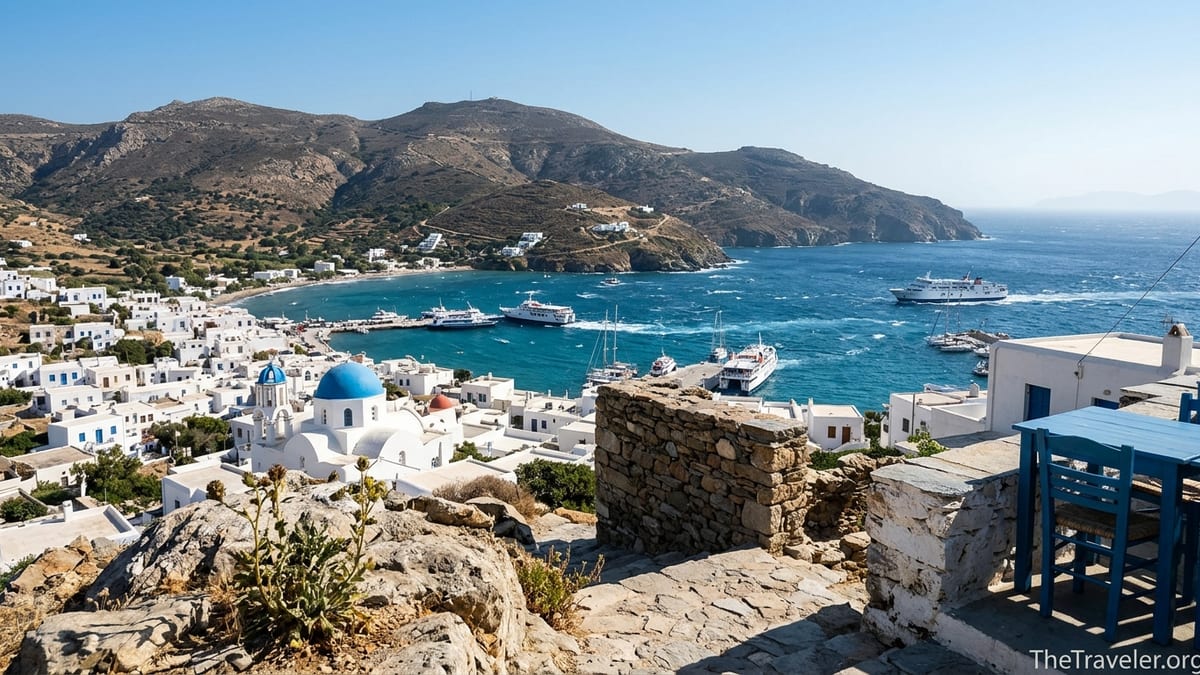
Understanding Cycladic Climate and Meltemi Winds
The Cyclades share a broadly Mediterranean climate: dry, warm to hot summers and milder, wetter winters. Before writing or updating detailed guidance, check recent climate normals from an official source for at least one representative island such as Naxos, Paros or Syros, and for Athens as a mainland reference point. Use those up to date figures to paraphrase typical patterns by month rather than quoting outdated averages from memory.
In late spring and early summer, days are usually sunny, with conditions becoming progressively hotter and drier into July and August. The sea tends to lag behind the air, so waters often feel cooler in May and June and reach their most consistently swimmable range in late summer and early autumn. When describing bathing suitability, think in terms of “refreshing but fine for most swimmers” in late spring, “comfortable and warm” in high summer, and “still pleasant but cooling” by October, adapting this language to match current climate data.
A defining feature of Cycladic summer is the meltemi, the strong north and northwest winds that are most common in July and August and can also appear in June and September. On some days the meltemi brings welcome relief from the heat and excellent visibility. On others it can make exposed beaches feel bracing, whip up whitecaps and contribute to choppy ferry crossings. When updating this article, cross check a marine or meteorological source for typical meltemi frequency and strength across the core summer months, then describe it qualitatively as “likely,” “occasional” or “less common” by season rather than promising calm seas.
Winter in the Cyclades is considerably milder than much of northern Europe in temperature terms, but it is the rainy season, with frequent cloud, wind and shorter days. Seas are coolest and many tourist services close entirely. For most first time visitors who want beaches and island hopping, the practical season runs roughly from April through October, with the middle of that window offering the most predictable summer conditions.
High Summer: July and August Peak Season
July and August are the classic peak season months, especially the period from mid July through the third week of August. Air temperatures are typically at their highest, days are long, and sea temperatures are usually at their warmest and most reliably swimmable. However, this is also when the meltemi winds are statistically most frequent, so travelers should expect some very windy days, especially on more exposed islands like Mykonos, Andros or Amorgos, and on north facing beaches.
Crowds are heaviest in these months. European school holidays, plus Greek vacations concentrated around August, mean popular islands such as Santorini, Mykonos, Paros and Naxos can feel very busy. Cruise ship calls also peak on headline islands. Accommodation fills early, and in many hotspots it is normal for hotels and villas to operate with minimum stay requirements, especially over key dates around August 15. Before finalizing text about specific prices or policies, check a mix of properties on at least two islands for the current year, noting how much high season nightly rates differ from shoulder periods and whether 3 or 4 night minimums are actually enforced.
The upside of high season is operational: virtually everything that can be open usually is. Beach clubs, sunset bars, dive centers, sailing excursions and inter island day trips all run on their fullest schedules. Domestic flights between Athens and major Cycladic islands are frequent, and ferry networks are at their most extensive, with multiple daily sailings on popular routes and seasonal high speed catamarans supplementing conventional ferries. Remind readers that timetables are rebuilt each year, often published only a few months in advance, so any sample departure times or route combinations should be clearly labeled as examples and reconfirmed against the latest schedules for their specific travel dates.
Prices in July and August are generally the highest of the year in the Cyclades. This does not just affect room rates: car rentals, sunbed packages and some activities often use peak season pricing. For price sensitive travelers, it is more realistic to present this period as best for those who prioritize atmosphere, nightlife and guaranteed buzz over savings. Emphasize that during peak weeks, especially around August public holidays, last minute bargains are rare and some categories of accommodation can sell out entirely on smaller islands.
Shoulder Seasons: May to June and September to October
For many travelers, late spring and early autumn offer the best balance of weather and crowds. In May and early June, days are commonly warm and sunny without the persistent high heat of mid summer. The sea is still on the cooler side after winter but becomes progressively more inviting as June advances. In late September and much of October, the sea retains summer warmth even as air temperatures ease downward, creating a pleasant “extended summer” feel on many days, although occasional cooler or unsettled spells become more likely in October.
Crowd levels in the shoulder seasons are notably lower than in July and August, but far from dead. In May and June, you will see more couples, small groups and hikers enjoying quiet trails and less congested alleyways in towns like Naoussa and Chora. Late September and early October tend to draw a mix of retirees, flexible remote workers and travelers seeking warm weather without peak season intensity. You can usually expect shorter queues at major viewpoints and more available space on popular beaches, especially midweek.
Operationally, services ramp up in spring and taper off in autumn. By May, many hotels, guesthouses and restaurants on the more visited islands are already open, though some beach clubs and seasonal businesses may not start until later in the month or early June. Domestic flight and ferry connections are usually solid by late May, but the very fullest set of summer departures often only runs from roughly mid June to early or mid September. In late September and October, expect gradual reductions: fewer daily high speed ferries, some island bus routes operating reduced schedules, and a slow wave of closures among seasonal hotels and seafront venues. Stress that any suggestion to visit a smaller or more remote island in October should be backed up by checking that at least a core set of accommodations, tavernas and essential bus routes are scheduled to operate that year.
Prices during the shoulder months are generally lower than the mid summer peak and more flexible. Many hotels publish distinct low, shoulder and high season rate bands, with noticeable drops outside July and August. Travelers often find better value in late May, early June, late September and early October, while still enjoying warm, swimmable weather, especially in the latter two periods. Encourage readers to compare a few date ranges and islands when budgeting, as mid June or late September weeks that align with school holidays or major events can behave more like high season in both price and demand.
Spring Build Up: April and Early May
April and early May mark the practical start of the travel season for the Cyclades. Weather improves compared with winter, with increasing sunshine and more comfortable daytime temperatures, yet conditions can be variable. Some days feel early summery, while others are cooler and breezier, and sea temperatures are usually on the brisk side. Swimming is possible for hardy visitors, but most travelers will find it more of a quick dip than long, languid sessions in the water.
This period can feel delightfully uncrowded compared to summer, especially on secondary islands. Wildflowers and green hillsides make it a particularly attractive time for walkers and photographers who care more about light and landscape than beach lounging. However, early season travel requires more planning. On popular islands, a reasonable selection of accommodations and restaurants open in time for the Easter period and build up toward May, but smaller islands may have only a handful of options operating. Some beach clubs, organized water sports and seasonal boat trips might not start until May or even June.
Ferry schedules in April and early May are more limited than in high summer, with fewer high speed catamarans and sometimes only one or two conventional ferries a day on key routes. Weather related disruptions are also somewhat more likely than at the height of settled summer. Domestic flights operate year round on islands with airports, but frequencies may be lower outside peak season. Make it clear that readers should avoid planning tight same day connections between inbound international flights and onward ferries in this period, and always confirm timetables for the specific week they intend to travel.
From a budget perspective, April and early May are generally in the low season band, with some of the most attractive nightly rates of the year. Many accommodations offer flexible terms to encourage early traffic. Nevertheless, specific pricing can vary widely by island and even by Easter dates, which shift each year and can bring strong domestic demand. When guiding travelers, suggest that they cross check a couple of sample properties for their target dates to see how Easter or spring holiday periods affect availability and rates.
Late Autumn and Winter: November to March
Although the Cyclades are technically accessible year round, November through March function as the off season for most international visitors. Weather during these months is cooler and wetter, with more frequent storms, stronger winds and short daylight hours. Seas are at their coldest, and while locals may continue to swim on mild days, the islands no longer offer the classic sun and beach experience that many travelers imagine.
Tourism infrastructure operates at a much reduced level outside the main season. On major islands such as Santorini and Mykonos, a core of year round residents ensures that some hotels, restaurants and shops remain open, particularly in central towns. However, many cliffside properties, beach resorts and seasonal venues close after the autumn season and do not reopen until spring. On smaller or more remote islands, visitor services in winter can be very limited, sometimes down to a few accommodations and tavernas catering mainly to locals.
Ferry networks also scale back in winter. Core lifeline routes still operate to serve resident communities, but there are fewer sailings, more indirect routes and a greater chance of disruption from rough seas. Domestic flights continue on islands with airports, though frequencies may be reduced compared with summer schedules. If recommending winter visits for cultural immersion or remote work, emphasize the need to plan flexible itineraries, allow buffer time for connections, and verify that key services such as heating, transport and open eateries will actually be available on the chosen island.
On the positive side, accommodation prices in winter are typically at their lowest, and the islands take on a quieter, more local character that appeals to long stay visitors and those interested in seeing everyday Cycladic life. However, this period is generally better suited to repeat visitors who already know the islands than to first timers dreaming of carefree island hopping and daily beach time.
Ferries, Flights and Sea Conditions by Season
Because the Cyclades rely heavily on ferries, understanding how sea transport changes through the year is critical. From roughly late June through early September, ferry and high speed catamaran services between Athens’ ports and the islands, as well as between islands themselves, are at their most frequent. Outside those months, operators progressively reduce departures, withdraw some high speed vessels and focus on maintaining essential links. When writing about specific routes, always treat sample itineraries as indicative and instruct readers to check current timetables close to booking, as operators adjust schedules each year in response to demand and regulatory decisions.
Sea conditions vary seasonally as well. In spring and late autumn, passing weather systems can bring rougher seas and occasional cancellations or delays. In mid summer, the principal challenge is the meltemi, which can create choppy crossings and uncomfortable conditions on smaller high speed vessels, even when skies are blue. Advising travelers to build in buffers between flights and ferries is prudent in any season, but especially so during periods of stronger winds. Encourage readers to avoid same day tight connections where a delayed ferry could lead to a missed international flight.
Domestic flights provide a valuable alternative or backup, especially on islands with airports like Santorini, Mykonos, Paros, Naxos and Milos. Flight frequencies tend to mirror ferry seasonality: more daily services and connections in summer, fewer in winter. Some international charters also operate to larger islands in peak months. Remind travelers that while flying can reduce exposure to rough seas, weather can still cause occasional disruption, so flexibility remains important.
When mentioning approximate travel times or ticket price ranges for ferries and flights, avoid guessing. Instead, base examples on a recent snapshot from official operators or aggregators, obtained close to publication. Make clear that prices fluctuate with season, demand and fuel costs, and that readers should always confirm current fares and any luggage, cancellation or change policies that might affect their plans.
Crowds, Holidays and Price Patterns
In the Cyclades, crowding is shaped not only by weather but also by school calendars and public holidays. High season corresponds broadly to July and August, with an intense peak typically around the first three weeks of August. During this time, domestic travel surges and many Europeans take annual leave. Islands like Mykonos, Santorini, Paros and Naxos, as well as ferry hubs such as Tinos and Syros, can feel especially busy.
Major holidays play a crucial role. Greek Orthodox Easter, usually falling in April or occasionally early May, can bring significant domestic travel, particularly to islands with important religious celebrations. Mid August around the Dormition of the Virgin is another focal point, especially on Tinos and other pilgrimage destinations. When updating this guide for a specific year, verify the exact dates of Orthodox Easter, the August public holiday and any relevant long weekends in key European source markets, and flag to readers that these periods often see full ferries and higher last minute prices.
Price patterns broadly follow three bands. Low season, typically November to March and often parts of April and late October, offers the lowest rates but also the fewest services. Shoulder season, roughly May to mid June and mid September to mid or late October, brings moderate prices and a good balance of operations and space. High season, especially July and August, carries the highest accommodation, car rental and activity costs. Within each band, however, there is significant variation by island and property type. Encourage travelers to test different date combinations in a booking engine or with local agents, as shifting arrival or departure by a week can sometimes yield meaningful savings.
Note also that minimum stay requirements, stricter cancellation policies and advance payment conditions are more common at the height of summer, particularly on luxury properties or in towns where demand far exceeds supply. Rather than stating fixed rules, frame these as tendencies and recommend that readers examine terms carefully before confirming reservations, especially if they are planning complex itineraries across multiple islands.
Matching Seasons to Traveler Types
Different kinds of travelers will benefit from different parts of the season. Hikers, landscape photographers and culture focused visitors often prefer late April, May, late September and October. During these months, temperatures are more comfortable for long walks on exposed trails, spring wildflowers or autumn light enhance scenery, and historic sites or village streets tend to be less crowded. The trade off is cooler seas in spring and gradually more unsettled weather by late autumn, so it helps to set expectations that these periods are ideal for mixed sightseeing rather than purely beach lounging.
Beach focused families frequently gravitate toward late June and early July, or early September if school calendars permit. In these windows, seas are usually pleasantly swimmable, daytime warmth is reliable, and most family friendly services such as beach clubs, ice cream stands, boat trips and children’s activities are running, yet the absolute peak of August crowds has not fully arrived or has just passed. Families benefit from the still robust transport schedules of high season without quite the same pressure on prices and availability as mid August.
Nightlife oriented travelers, including groups of friends and younger visitors, often time their trips for high season. On islands with a strong party reputation such as Mykonos and Ios, the main clubbing and beach party scene is most intense from late June through August, with international DJs, themed events and full rosters of bar crawls and after hours venues. When writing for this audience, underline that some headline venues may only open seasonally or only host major events in peak months, so anyone committed to specific parties or festivals should validate event calendars for the target year.
Travelers seeking tranquility, immersive stays or creative retreats might find their ideal time in the very edges of the season, such as late April or mid to late October, especially on less visited islands. Here the key is to be honest about trade offs: more limited dining options, reduced ferry frequencies, and occasional weather interruptions are balanced by lower prices and a strong sense of local life. Before recommending an off season stay in a small island village, explicitly check for potential closures of accommodations, beach clubs, boat tours and local bus routes in that particular month.
Putting It All Together: Scenario Based Recommendations
For travelers with flexible dates who want the best overall balance of weather, crowds and operational ease, late May to mid June and mid September to early October usually stand out. These shoulder season weeks often combine warm, mostly settled weather, seas that are either becoming comfortable for swimming or still holding summer warmth, and a full enough slate of ferries, flights and open businesses without high season crush. When revising this recommendation, cross check that ferry operators and airlines for the upcoming season are indeed planning robust schedules in these windows.
For readers primarily motivated by budget yet still keen on island hopping, the “cheapest workable” periods tend to be late April and early May, along with parts of October, provided they are comfortable with cooler seas and sparser nightlife. These months typically deliver lower accommodation rates and quieter ferries, while still offering sufficient services on the main islands to piece together multi stop itineraries. Make clear that smaller and more remote islands may not be practical at the very start or end of the season without careful checking of timetables and open establishments.
Serious hikers, photographers and travelers interested in cultural experiences rather than beach time might prioritize late April, May, late September or October. Cooler temperatures, clearer light and fewer crowds can make these months ideal for long days outdoors and contemplative exploration of archaeological sites and traditional villages. The trade off is some risk of rain or wind and shorter operating hours for certain attractions, so building in contingency plans and flexible sightseeing days is advisable.
At the other end of the spectrum, visitors who want peak energy, nightlife and guaranteed heat, and who are less sensitive to higher prices and busy beaches, will likely find July and August align best with their goals. Here, recommending early booking is essential, particularly around major holidays and on iconic islands. Across all these scenarios, conclude by reminding readers that ferries, flights, hotel opening dates, beach club seasons and special events are recalibrated every year. Before committing to any specific plan, they should reconfirm operational details for their target year and month, then fine tune their itinerary to match their tolerance for heat, crowds, cost and logistical complexity.