


The Bosphorus is the blue ribbon that ties Istanbul together, separating Europe from Asia while giving the city its most memorable views. For first-time visitors, understanding how to see, cross, and experience this strait can turn a good Istanbul trip into an unforgettable one. This guide walks you through what the Bosphorus is, how to cruise it, which ferries to ride, the bridges you will sail under, the best neighborhoods to explore, and practical tips to get the most from every shoreline moment.
Get the latest updates straight to your inbox!
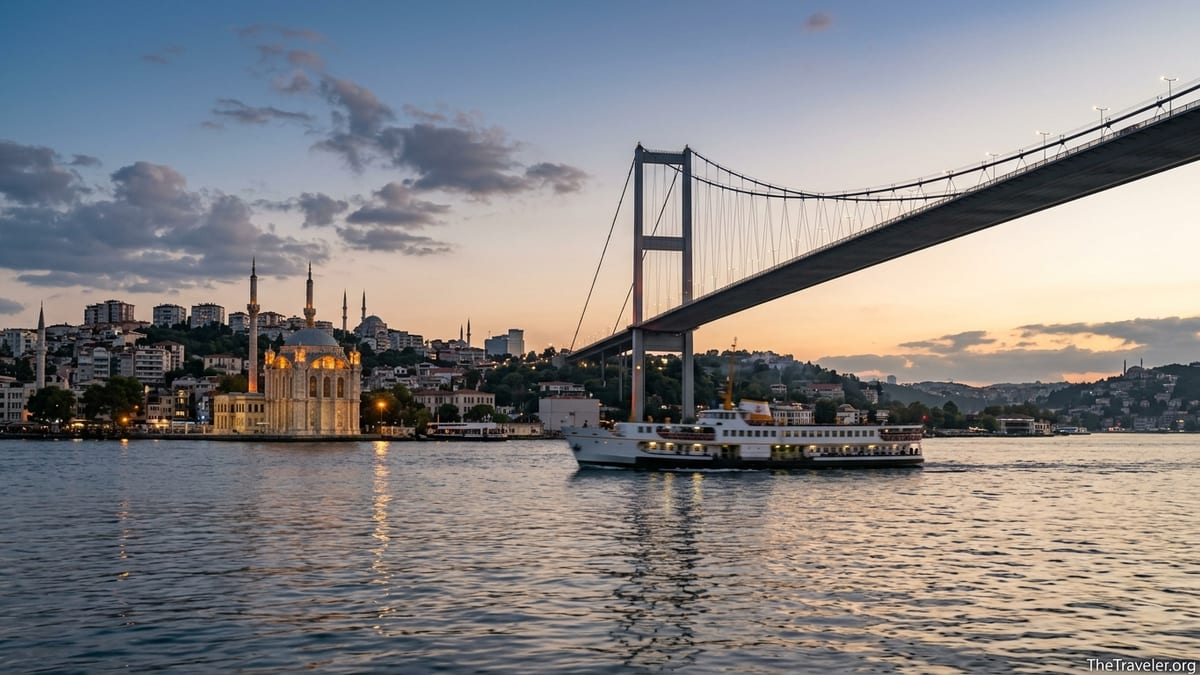
What and Where Is the Bosphorus?
The Bosphorus is a narrow natural strait that runs roughly 30 kilometers between the Sea of Marmara in the south and the Black Sea in the north. It cuts straight through Istanbul and forms the boundary between the city’s European and Asian sides. Stand in Eminönü on the European shore and look across to Üsküdar on the Asian side and you are looking over the Bosphorus itself, not a river but a sea channel used daily by commuter ferries, cargo ships, and tiny fishing boats.
For a first-time visitor, it helps to picture the Bosphorus as a long, curving waterfront lined with palaces, mosques, parks, and wooden mansions. On the European side you have hubs such as Karaköy, Beşiktaş, Ortaköy, Arnavutköy, Bebek, and Rumeli Hisarı. On the Asian side, key districts include Üsküdar, Kuzguncuk, Beylerbeyi, Çengelköy, Kadıköy and further north Anadolu Hisarı and Anadolu Kavağı near the mouth of the Black Sea. Each area offers different Bosphorus perspectives, from busy commuter piers to quiet residential coves.
The Bosphorus is also a working waterway. Large container ships and tankers transit through under international agreements, which means that as you ride a public ferry between Kadıköy and Karaköy you might glide past an enormous cargo vessel or a naval ship. This mix of everyday commuter life and heavy maritime traffic, all framed by Ottoman palaces like Dolmabahçe and Beylerbeyi, is what gives the Bosphorus its distinctive atmosphere.
Because the Bosphorus is central to Istanbul life, you will encounter it constantly: crossing on ferries, seeing it from viewpoints like Çamlıca Hill, walking along parks in Bebek, or simply catching glimpses of blue between buildings. Building time into your itinerary just to sit by the water with a glass of tea is not an indulgence here; it is one of the most authentic Bosphorus experiences you can have.
Understanding Bosphorus Ferries and Cruises
There are two main ways to get on the Bosphorus: public ferries used by locals and tourist-oriented sightseeing cruises. Public ferries are run primarily by the municipal operator Şehir Hatları, with services crisscrossing the strait between hubs such as Eminönü, Karaköy, Beşiktaş, Kadıköy, and Üsküdar. A standard cross-Bosphorus trip, like Kadıköy to Karaköy or Üsküdar to Eminönü, usually costs about the same as a metro ride when paid with an Istanbulkart, which keeps it in the budget-friendly range for most visitors.
For dedicated sightseeing, Şehir Hatları operates Short and Long Bosphorus Tours that travel much further along the strait. The Long Bosphorus Tour typically runs from Eminönü up to Anadolu Kavağı near the Black Sea and back, taking around six hours including a stop in the village where you can climb up to Yoros Castle for panoramic views. Sample current fares for this long tour are often in the mid-hundreds of lira per adult, while shorter inner-Bosphorus options can be closer to the low hundreds. Plan on modest increases year to year, and always confirm the latest prices and departure times at the pier ticket booths.
Private companies offer their own Bosphorus cruises, often from piers in Eminönü, Kabataş, and Beşiktaş. These can range from simple 90-minute daytime loops to sunset or dinner cruises with set menus and live music. Prices vary widely: a basic shared sightseeing cruise can be only slightly higher than a public long tour, while a small-group sunset cruise on a yacht might cost several times more. When comparing, look closely at the route, duration, and what is included instead of choosing only on price or sales pitches.
For many first-time visitors, the best value is to combine at least one public ferry ride with a structured Bosphorus tour. Take a regular morning ferry from Eminönü to Üsküdar or Kadıköy, then later in your stay join a short or long Bosphorus cruise to travel under all three suspension bridges and see waterfront landmarks like Dolmabahçe Palace, Ortaköy Mosque, Rumeli Hisarı fortress, and the seaside yalıs, the classic wooden mansions that line the shore.
Bridges, Viewpoints, and Iconic Bosphorus Sights
Three major suspension bridges span the Bosphorus and form a constant presence in most skyline photos. The southernmost is the 15 July Martyrs Bridge, still widely known locally as the Bosphorus Bridge or simply the First Bridge. Further north is the Fatih Sultan Mehmet Bridge, often called the Second Bridge. Furthest toward the Black Sea stands the Yavuz Sultan Selim Bridge, the Third Bridge, carrying both road and rail traffic near the mouth of the strait. On a long Bosphorus cruise you typically pass under the first two bridges and, on some itineraries, travel close to the third.
To see the bridges from land, many visitors head to Ortaköy Square, where the waterfront Ortaköy Mosque sits directly in front of the First Bridge. Arrive about an hour before sunset, buy a stuffed baked potato from one of the kumpir stands, and watch as the lights on the bridge begin to glow. Further north, neighborhoods like Arnavutköy and Bebek have waterfront promenades that line up picturesque views of the Second Bridge, especially from cafés with outdoor seating right on the shore.
For high viewpoints, the most popular choice is Çamlıca Hill on the Asian side, reachable by taxi or a combination of metro and bus. From the landscaped park at the top you can see the Bosphorus cut through the city, both bridges, and the historic peninsula. Another option is Pierre Loti Hill, overlooking the Golden Horn; while not directly on the Bosphorus, it offers a sweeping view where you can clearly see how the Golden Horn narrows into the broader strait. Some rooftop terraces in Karaköy, Galata, and Nişantaşı also provide partial Bosphorus views; hotel bars and restaurants commonly advertise “sea view” or “Bosphorus view” tables, usually with a price premium.
Even simple walks can become memorable vantage points. Strolling north from Beşiktaş along the coastal road toward Ortaköy, you pass Dolmabahçe Palace, public parks, and several small piers. Early in the morning you share the promenade mostly with joggers and dog walkers, while in the evening it fills with fishermen and families. On the Asian side, the seaside path between Üsküdar and Kuzguncuk is comparatively quieter and offers wide open views of the historic peninsula silhouetted behind the ships moving up and down the Bosphorus.
Best Bosphorus Neighborhoods for First-Time Visitors
Different stretches of the Bosphorus have very different personalities, and choosing where to linger can shape how you remember Istanbul. Around Karaköy and Galata on the European side you will find a mix of ferry piers, coffee shops, and restored buildings, all only a short walk from the Galata Bridge and the tram line. This area is convenient for first-timers who want both Bosphorus access and easy connection to the historic sights in Sultanahmet. Hotels here range from simple guesthouses in side streets to design-forward boutique properties in old bank buildings.
Traveling north, Beşiktaş is one of the city’s liveliest local hubs, with a busy fish market, informal meyhanes, student cafés, and constant ferry traffic to Üsküdar and Kadıköy. It is less polished than neighboring areas but good for people-watching and casual meals. Just beyond lies Ortaköy, known for its ornate mosque, craft stalls, and kumpir stands. Ortaköy can be packed on weekends and evenings, but visiting in the late morning or mid-afternoon gives you space to enjoy the square and the First Bridge view without the densest crowds.
Further along the shore, Arnavutköy and Bebek offer a more upscale Bosphorus experience. Arnavutköy is characterized by narrow streets of colorful wooden houses and a concentration of seafood restaurants near the water. Bebek has a landscaped park, high-end cafés, and designer boutiques. Expect higher prices in both neighborhoods: a coffee with a waterfront table in Bebek can cost notably more than a comparable drink in Kadıköy or Fatih, but many visitors consider it worthwhile for the long, open views.
On the Asian side, Kadıköy and its Moda district offer a youthful, lived-in vibe with bars, music venues, and a long waterfront park looking back toward the old city skyline. Üsküdar feels more traditional, with historic mosques facing the water and smaller teahouses where you can sit with a glass of çay and watch ferries shuttle across to Eminönü and Beşiktaş. North of Üsküdar, Kuzguncuk and Beylerbeyi provide slower-paced alternatives: Kuzguncuk has a village-like main street and a leafy feel, while Beylerbeyi combines a small palace museum with waterside fish restaurants that share a view under the First Bridge.
Restaurants, Cafés, and Hotels with Bosphorus Views
Dining by the Bosphorus ranges from simple tea gardens to white-tablecloth seafood terraces. In many places, what you are paying for is as much the view as the food. In Ortaköy, you can pick up a street-side kumpir piled with toppings and sit on the low seawall facing the mosque and the bridge. In Beşiktaş, casual fish sandwich stalls near the ferry pier provide inexpensive snacks while you watch passengers boarding boats. Farther north in Arnavutköy and Bebek, classic meyhanes and seafood restaurants often require reservations for outdoor tables, especially on Friday and Saturday nights.
On the Asian side, Çengelköy is known for its waterfront breakfast spots and a famous old plane tree right beside the water, where locals eat simit and drink tea on simple stools with their feet almost touching the waves. In Kuzguncuk, small neighborhood cafés line the main street just a short walk from the Bosphorus, offering a quieter, more residential atmosphere. Kadıköy’s Moda shoreline has informal kiosks and tea gardens where young locals gather in the evenings, bringing their own snacks and drinks while buying tea or coffee from vendors.
For hotels, first-time visitors who want consistent Bosphorus access but still need quick transit connections often choose areas such as Karaköy, Galata, and Tophane, where many mid-range and boutique hotels offer partial sea views. High-end international chains and luxury properties cluster around Dolmabahçe, Beşiktaş, and along the shoreline toward Ortaköy, some in converted Ottoman-era palaces and mansions with private jetties and infinity pools facing the water. Room rates here usually reflect both brand and location, with Bosphorus-facing rooms carrying a noticeable premium.
If your budget is more moderate, consider staying a few streets inland and walking to the water, rather than paying extra for a direct waterfront room. For example, a mid-range hotel on a residential street in Cihangir or Nişantaşı may lack an on-the-water terrace but will place you within a short tram or taxi ride of multiple ferry piers. On the Asian side, Kadıköy and Moda have a growing number of guesthouses and small hotels that appeal to travelers who prioritise local cafés and parks over formal views from the room itself, yet still want to be within ten to fifteen minutes’ walk of the Bosphorus.
How to Experience the Bosphorus Like a Local
Locals use the Bosphorus primarily as a transport route and a gathering place. One of the most authentic experiences you can have is to board a regular Şehir Hatları ferry during commuting hours between Kadıköy and Karaköy or between Üsküdar and Eminönü. Stand outside on the side deck, buy tea from the onboard kiosk served in tulip-shaped glasses, and watch seagulls follow the boat. The crossing takes around twenty minutes, but the way the city skyline shifts as you move between continents feels far more substantial.
Another local habit is to treat the waterfront parks as extended living rooms. On warm evenings, Istanbullites bring blankets, snacks, and music speakers to places like the Moda shoreline, the park between Beşiktaş and Ortaköy, or the wide promenade north of Bebek. You can join in by picking up simit from a bakery, grabbing ayran or soft drinks from a corner shop, and finding your own rock or patch of grass with a view of the water and the bridges.
Walking routes along the Bosphorus can easily fill half a day. A popular stretch on the European side runs from Ortaköy through Arnavutköy to Bebek and Rumeli Hisarı. It is mostly flat and follows the water the entire way, passing fishing boats, parks, upscale villas, and university campuses. On the Asian side, a gentler alternative is the walk from Üsküdar to Kuzguncuk and Beylerbeyi, where quiet streets, small mosques, and neighborhood grocers are only steps from the shore.
If you have more time, consider taking a full Long Bosphorus Tour up to Anadolu Kavağı, then hiking up to Yoros Castle for a picnic overlooking the mouth of the Black Sea. Pack water and some snacks, especially in summer, and wear comfortable shoes for the uphill path. When you sail back toward Eminönü after sunset, with the city lights gradually brightening and the silhouettes of the mosques coming into view, you will understand why many visitors describe this as the highlight of their Istanbul trip.
Practical Tips and First-Time Visitor Advice
Planning around traffic is crucial near the Bosphorus. The main coastal roads on both sides can become heavily congested, especially around rush hours and on weekend evenings. Whenever possible, move between Bosphorus neighborhoods by ferry or tram instead of taxis or buses stuck on the shoreline. For example, instead of taking a taxi from Sultanahmet to Ortaköy, ride the tram to Kabataş and transfer to a short taxi ride or a local bus from there. This often saves both time and frustration.
Weather and season affect what the Bosphorus feels like. In summer, midday cruises can be hot and glaring, so many visitors prefer early morning or late afternoon departures. Spring and autumn frequently bring clear air and softer light that make for excellent photos. Winter crossings can be windy and cold on deck, but when the hills are dusted with snow the Bosphorus takes on a very different, moody character. Regardless of season, carry a light layer or scarf for the wind while on boats, and consider a beanie or hood on open decks in cooler months.
Ticket buying is straightforward once you know your options. For public ferries and most municipal Bosphorus tours, you typically use an Istanbulkart at the turnstiles or buy a paper ticket from the pier kiosks. For private cruises, ticket sellers may approach you around Eminönü and Kabataş; instead of engaging with aggressive touts, walk directly to clearly signed official booths on the pier to compare printed schedules and prices. If a seller refuses to show a current price list or pressures you into deciding immediately, it is better to step away and choose another operator.
Finally, treat the Bosphorus as a flexible part of your itinerary rather than a single box to tick. Weather might not cooperate on the day you planned your big cruise, or you may find that a simple sunset ferry ride between Karaköy and Kadıköy gives you more joy than a longer, structured tour. Leave space in your schedule to repeat an experience you love, whether that is a quiet tea at a Üsküdar café or an early-morning walk along the waterfront in Bebek before the day’s traffic and boats fully awaken.
FAQ
Q1. What is the best way for a first-time visitor to see the Bosphorus?
The most balanced option is to combine a regular Şehir Hatları ferry ride, such as Kadıköy to Karaköy or Üsküdar to Eminönü, with one dedicated Bosphorus sightseeing cruise that goes under at least the first two suspension bridges.
Q2. How much should I budget for a Bosphorus cruise?
Expect public long tours to cost in the mid-hundreds of lira per adult, with shorter municipal or basic private cruises in the low to mid-hundreds. Premium small-group or yacht-style cruises can cost several times more, depending on inclusions like dinner and hotel transfers.
Q3. Is it better to take a Bosphorus cruise during the day or at sunset?
Daytime cruises give clearer views of palaces and neighborhoods, while late afternoon and sunset departures offer softer light and illuminated bridges. Many visitors choose late afternoon to enjoy both detailed sightseeing and dusk colors on a single trip.
Q4. Can I use my Istanbulkart on Bosphorus ferries?
Yes, you can use an Istanbulkart on standard public ferries and often on municipal Bosphorus tours, tapping in at the turnstiles like on the tram or metro. Some private cruise companies do not accept Istanbulkart and instead require separate tickets, so always check in advance.
Q5. Which Bosphorus neighborhoods are best to stay in for first-time visitors?
For easy access to both the Bosphorus and major historic sights, areas around Karaköy, Galata, and Tophane work well. If you prefer a more local feel with sea views, consider Kadıköy and Moda on the Asian side, using frequent ferries to reach the European shore.
Q6. Are Bosphorus cruises suitable for children and older travelers?
Yes, but choose duration carefully. Shorter 60 to 120 minute cruises and regular commuter ferries are usually easier for children and older visitors than six-hour long tours. Look for boats with both indoor seating and accessible outdoor decks.
Q7. Do I need to book a Bosphorus cruise in advance?
For public ferries and many daytime cruises, you can often buy tickets on the day, especially outside peak summer weekends and holidays. Sunset and dinner cruises, particularly on smaller boats, may sell out in high season, so advance booking is advisable for specific dates or time slots.
Q8. What should I wear on a Bosphorus cruise?
Comfortable layers are essential. Even in summer, wind on the water can make it feel cooler than in the city streets, so bring a light jacket or scarf. In winter and early spring, a warm coat, hat, and gloves make time on the open deck much more pleasant.
Q9. Can I see all three Bosphorus bridges on one trip?
Most standard short cruises and public tours pass under the first and second bridges. To see the third bridge near the Black Sea, you generally need a longer tour that goes further north or a specialized route advertised as reaching close to the mouth of the Bosphorus.
Q10. Is it safe to walk along the Bosphorus at night?
Busy shoreline areas such as Karaköy, Beşiktaş, Ortaköy, Kadıköy, and Moda are typically active into the evening and feel comfortable for most visitors who take normal big-city precautions. As always, stick to well-lit promenades, avoid very isolated stretches after dark, and use registered taxis or well-known ride-hailing services for late-night returns.