


Boston can turn a college search into an enjoyable city break, provided the itinerary leaves room to look around. Harvard and MIT are in neighboring Cambridge, while Boston University brings a different setting along Commonwealth Avenue. Cafés, bookstores, and walks beside the Charles River can help families understand the places beyond the tour route.
For a first visit, choose a small shortlist and allow three full days, ideally arriving the evening before. The sample route below gives Harvard, MIT, and Boston University one day each. Substitute schools to suit the student's interests and confirmed tour availability.
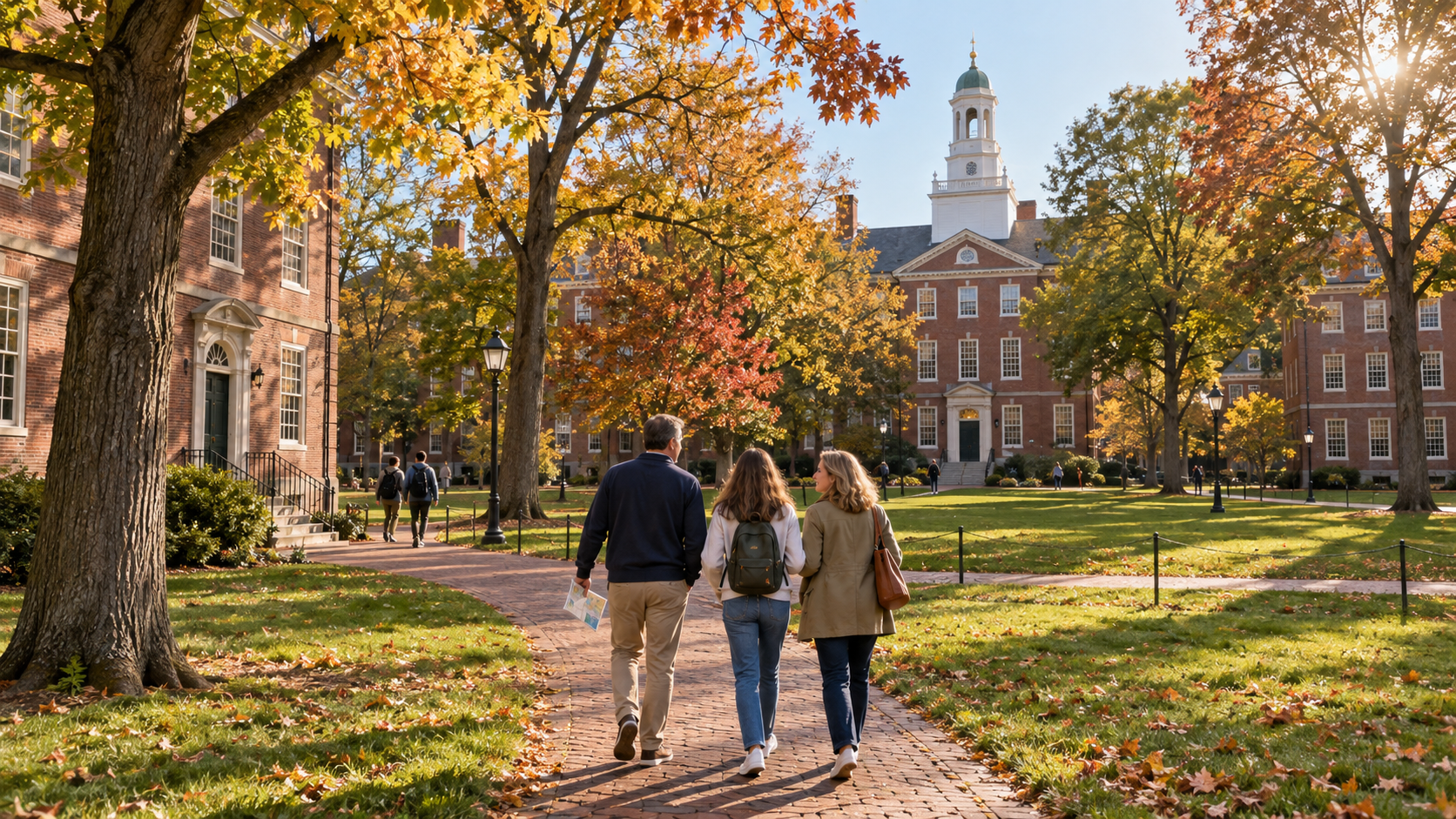
Set the Shortlist Before Booking the Trip
Start with academic interests, likely costs, and the type of campus the student wants to explore. A famous name is a reason to be curious, but it does not establish whether a school belongs on an application list.
Families already working with Boston college admissions consultants can use a planning conversation to identify the questions each visit should answer. Solomon publishes consultant biographies that families can review when considering support. Travel reservations still need to be arranged separately.
Book official visits before committing to nonrefundable travel. Boston University warns that popular programs can fill weeks ahead and recommends securing a visit first. Its campus tours also pause during some academic breaks, even when information sessions remain available. Check each school's calendar independently.
Choose a Base That Makes Mornings Easier
Compare accommodation by the journey to your first appointment. A Cambridge base near the Red Line can suit Harvard and MIT visits. A base around Kenmore may be convenient for Boston University. Check the actual walking route, transfers, and room cost for your dates.
For arrival, Massport lists the Silver Line SL1 as free from Logan Airport to South Station. Travel back to the airport requires the applicable fare. Check current service information before departure, especially if landing late.
You may be able to manage this itinerary with public transportation and walking. MIT recommends the Red Line to its Welcome Center near Kendall Square and discourages driving because of traffic and parking difficulties. If anyone needs step-free access, verify station elevators and the campus tour route in advance.
Day One: Harvard and the Surrounding Neighborhood
Start with your confirmed Harvard College admissions visit. Harvard has several visitor centers, so use the meeting address in your reservation. An admissions visit and a general historical tour can serve different purposes; check what you have booked.
Leave the afternoon for the surrounding Cambridge neighborhood. Browse a bookstore, find lunch, and walk a route the student might use between campus and everyday errands. Follow current campus access rules, and avoid assuming that residence halls or teaching buildings are open to visitors.
Over a break, ask the student what surprised them. Record one appealing detail, one concern, and one question that remains unanswered. These notes become more useful than a long collection of photographs when several colleges start blending together.
Day Two: MIT and Time Beside the Charles
MIT's admissions visits require reservations. The Welcome Center is at 292 Main Street, near Kendall Square; check the details in your confirmation rather than navigating to a general campus address.
Use the visit to investigate the learning environment. Ask how students describe collaboration, their weekly workload, and finding help with difficult courses. Then leave time for lunch and, if the weather allows, a walk beside the Charles River.
Keep the evening easy. A relaxed meal gives the student space to compare the first two visits without rushing into another appointment.
Day Three: Boston University and a Different Campus Setting
Use the final day for Boston University's Charles River Campus. Its urban setting along Commonwealth Avenue offers a useful comparison with the previous stops. Follow the university's registered visit instructions and allow time to reach the specific check-in location.
Pay attention to movement between buildings, nearby food options, street noise, and the relationship between campus and city. Ask about the student's intended academic area instead of relying entirely on a general presentation.
BU notes that standard campus tours do not include residence halls. Use official housing information or ask what alternatives are available. Afterward, leave time for a neighborhood walk or a return to a favorite place before collecting luggage. Avoid placing a fixed flight departure immediately after the tour.
Keep the Budget Visible and the Schedule Flexible
Compare the total trip cost: accommodation, transport, meals, parking if needed, and optional sightseeing. Check what the hotel includes and reserve some money for changes, such as a taxi when walking becomes impractical.
Before paying for another college trip, review what these visits have established. Families considering college admissions consulting packages can ask whether the service helps turn campus observations into a realistic shortlist. Solomon offers packages for different stages of schooling; confirm the scope for your student. The aim is to identify which questions actually require another visit.
Bring comfortable shoes, a rain layer, a charger, and saved copies of reservations. Ask about accessibility or dietary arrangements before arriving. If a tour becomes unavailable, use the school's official self-guided or online resources, and record which questions still need a response.
Two Questions Families Often Ask
Can we visit more schools in three days? Possibly, but add a second appointment only after confirming both schedules and the complete journey between them. Leave time for meals and reflection.
What if the student changes their mind? That is useful information. Before heading home, let them explain which settings felt comfortable and which raised concerns. The trip has done its job when the next college decision is clearer.