


More news on this day
Passengers using Bristol Airport in recent weeks describe hours-long waits, abrupt cancellations and missed departures, with some saying long-planned first holidays have been ruined amid rolling disruption.
Get the latest news straight to your inbox!
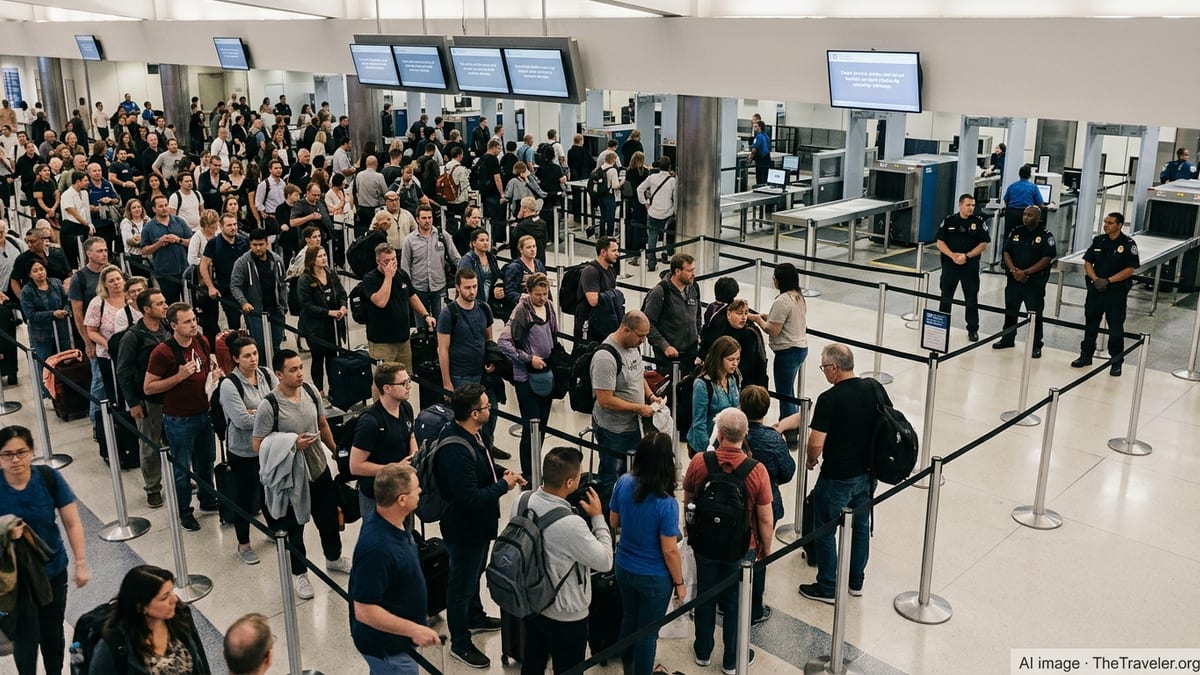
Air traffic control fault triggers new wave of disruption
A UK-wide air traffic control fault has been a major driver of the latest problems at Bristol Airport, with knock-on disruption now stretching over several days. Reports indicate that an issue in the national air traffic control provider’s flight processing systems forced capacity limits across southern England, in turn leading to widespread delays and cancellations at regional airports including Bristol.
Coverage from regional and national outlets shows that flights to and from Bristol were cancelled or heavily delayed after the fault, with the airport urging passengers to check with airlines before travelling and to expect some disruption while schedules recovered. In practice, the recovery has been slow, with evening services particularly affected and some departures and arrivals still experiencing delays into the following day.
Local travel news sites tracking Bristol operations report that a fix has been implemented by air traffic control engineers, but that the backlog of aircraft and crews has continued to cause late-running services and short-notice schedule changes. As a result, travellers have faced a mix of long queues on the ground and extended waits on aircraft already boarded, often with little clarity on when they would finally depart.
Analysis of recent flight data published by Bristol-focused travel guides indicates that the greatest disruption has been on busy leisure routes linking the South West to Mediterranean destinations, where aircraft typically operate tight turnarounds and spare capacity is limited. With late-summer demand still strong, any cancellation or long delay has quickly translated into rebooking challenges for passengers hoping to salvage their trips.
‘First holiday ruined’ as passengers endure hours-long waits
Accounts compiled from recent coverage and online forums describe how the disruption has upended travel plans, particularly for those heading away on their first major holiday or annual break. In one widely shared example cited in local reporting, a couple travelling from Bristol for their first holiday together boarded an early afternoon flight and were initially told to expect a short delay, only to remain on the aircraft for around five hours before the service was ultimately cancelled due to the air traffic control outage.
Similar stories appear in discussions among Bristol travellers, where contributors describe missing flights despite arriving well ahead of departure because of unexpectedly long security queues, or watching a long-awaited package holiday slip away after a last-minute cancellation with no same-day alternative available. Phrases such as “holiday ruined” and “gutted” recur in these accounts, underlining the emotional impact when a single week away has been planned and saved for months in advance.
Recent analyses from consumer and aviation bodies reinforce that such experiences are not isolated. Reports examining the wider impact of air traffic control failures on UK passengers note that late-running flights can quickly cascade into overnight stays, lost days of annual leave and additional costs for food, accommodation and onward travel. For those on shorter trips, particularly city breaks and long weekends, a delay or cancellation of 24 hours can effectively halve the time at destination.
At Bristol, these pressures have been intensified by the airport’s strong reliance on leisure carriers and seasonal schedules. Publicly available data shows that many services operate just a few times per week, meaning that a single cancelled flight may not have a straightforward same-route replacement, forcing travellers to accept indirect routings, alternative airports or shortened stays if they wish to travel at all.
Runway defect and operational limits add to passenger frustration
The air traffic control fault has been compounded by separate local issues at Bristol Airport over the summer, including a runway defect that prompted an overnight shutdown last month. According to regional broadcasters and aviation news outlets, the closure lasted around 12 to 14 hours while engineers inspected and repaired the affected surface, halting flights during a busy holiday period.
Although the runway later reopened, reports indicate that delays and cancellations persisted into the next day as airlines repositioned aircraft and crews. Some returning passengers described being diverted to other UK airports and then completing their journey to Bristol by road, while others faced extended waits for replacement flights as airlines worked through the backlog.
Operational constraints typical of a growing regional airport have also played a role. Documents published by Bristol Airport’s consultative bodies highlight how the morning “first wave” of departures is already a peak period for both security and runway capacity. When overnight disruptions, such as a runway closure or upstream air traffic issue, push additional flights into these slots, it can lead to longer queues and more congestion for passengers checking in and clearing security.
For travellers, the effect is often experienced simply as a long, slow-moving line. Passengers posting in Bristol-focused online communities over the past year describe arriving two to three hours before departure and still facing queues that stretch through the terminal at busy times, particularly at the height of school holidays. While others report smooth journeys through the airport on quieter days, the variability has left many unsure how early to arrive to feel confident about boarding.
How airlines and the airport are responding
In public statements and travel advisories following recent incidents, Bristol Airport has urged passengers to monitor flight information closely and to build in extra time for their journeys. Airlines operating from the airport have issued similar notices, warning of possible short-notice changes to schedules and reminding customers that they should not travel to the airport until their flight is confirmed as operating.
Reports from regional radio and national news outlets note that airlines have been working to rebook affected passengers onto later services or alternative routings where seats are available. In some cases, travellers arriving back in the UK have been flown into different airports and then transported to Bristol by coach, adding significant time to already long travel days but at least ensuring a route home when local capacity is constrained.
Industry and consumer bodies point out that under UK and European air passenger rights rules, travellers whose flights are cancelled or heavily delayed may be entitled to care such as meals and accommodation, and in some circumstances to financial compensation. However, where disruption is linked to events deemed outside an airline’s control, such as air traffic control system failures or essential runway repairs, eligibility for compensation may be limited, even though carriers are still generally expected to provide basic assistance.
Looking ahead, aviation commentators suggest that the combination of high seasonal demand, a constrained runway and reliance on a small number of major leisure carriers leaves Bristol particularly exposed when external shocks occur. As the peak holiday period winds down, pressure on the operation may ease, but recent weeks have highlighted how quickly queues can build and how fragile tightly timed schedules can be when technical issues arise elsewhere in the system.
What travellers can expect in the coming days
Travel updates compiled by Bristol-focused news and information sites on Wednesday indicate that flight operations have largely stabilised following the latest air traffic control fault, with most departures running but some residual delays still appearing on departure boards. Isolated cancellations continue to be reported, particularly on busy leisure routes where aircraft and crews remain out of position after earlier disruption.
Passengers with bookings over the coming days are being advised in publicly available guidance to check the status of their flight repeatedly before setting out, and to allow additional time for airport processes such as check-in, bag drop and security. For early morning departures and peak holiday weekends, travel experts recommend arriving at the airport as soon as airline check-in desks open, especially for families or larger groups who may need more time to move through the terminal.
While there is no indication from current reporting that Bristol faces a long-term shutdown, the combination of recent runway repairs, continued high demand and the aftermath of the national air traffic control fault means that last-minute changes remain possible. Travellers heading out on once-a-year or first-time holidays are therefore being encouraged by consumer advice services to keep accommodation and transfer providers informed of any changes, to retain receipts for any extra expenses, and to review the terms of their travel insurance policies.
For those already caught up in disruption, recent events have been a sobering reminder of how vulnerable modern, tightly scheduled air travel can be to technical issues far beyond the airport perimeter. For Bristol’s holidaymakers, the hope is that as summer draws to a close, the experience of “nightmare” queues and ruined first trips becomes the exception rather than the expectation.
Bristol Airport Guide – NATS fix in place but disruption continues
ITV News West Country – Flights delayed after runway defect
LBC – Passengers told to anticipate disruption after runway delay