


More news on this day
Budget conscious travelers planning European city breaks are increasingly looking beyond the eurozone’s classic capitals toward Türkiye and Poland, where a mix of heritage, festivals, and favorable prices is redefining what a short urban escape can offer.
Get the latest news straight to your inbox!
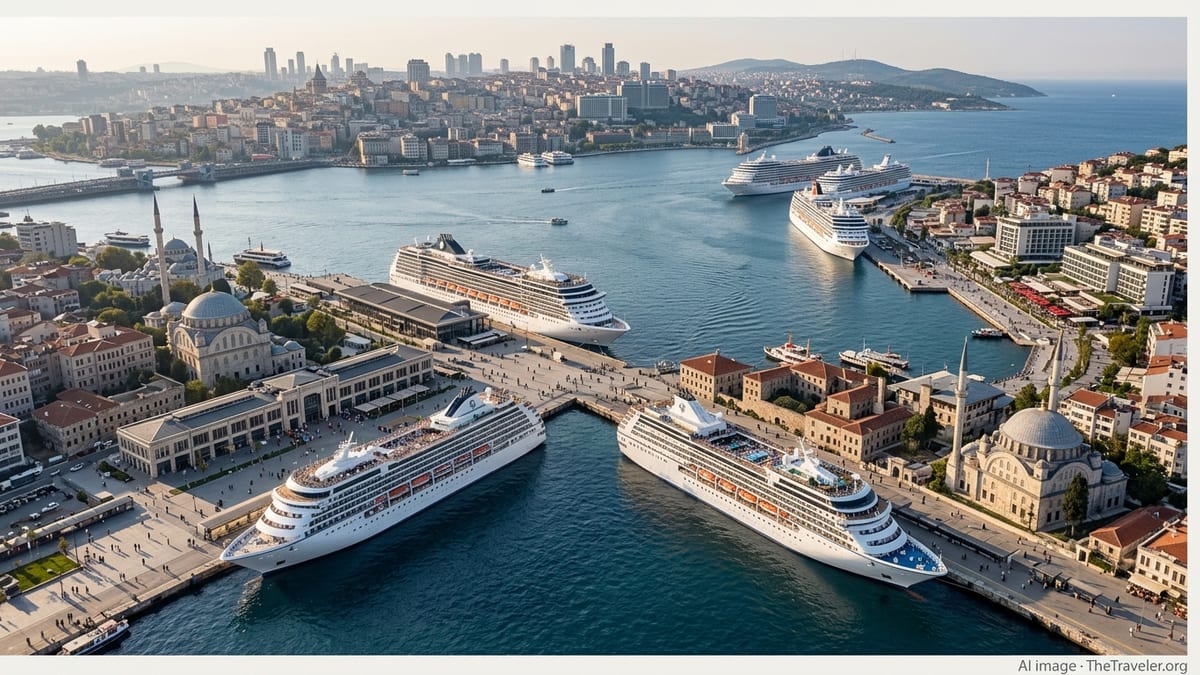
Value Destinations Rise as Western Capitals Grow Costlier
Across Europe, the cost gap between traditional city break favorites and emerging destinations is widening, creating renewed attention for cities such as Istanbul, Krakow, Warsaw, and Gdansk. Recent purchasing power comparisons indicate that price levels for household consumption in parts of Central and Eastern Europe remain significantly below those in Western European economies, reinforcing the appeal of cities where accommodation, dining, and transport still undercut rates in Paris, Amsterdam, or Venice.
In Türkiye, currency depreciation over recent years has made local prices comparatively attractive for visitors holding stronger hard currencies, even as domestic inflation has stayed elevated. International tourist arrivals reached more than 60 million in 2024, according to national investment and tourism data, with average per visitor spending up on pre‑pandemic levels. Analysts note that visitors who were previously priced out of long weekends in major eurozone cities are now finding comparable cultural experiences at lower overall trip costs in Istanbul and other Turkish hubs.
Poland is recording a similar shift, though through more gradual price dynamics. Independent travel guides and price surveys describe the country as a mid‑range European destination that remains cheaper than Western Europe while offering modern infrastructure and a growing range of boutique stays. City cards, public transport tickets, and museum entries in Warsaw, Krakow, and Gdansk are generally cited as substantially lower than in many Western capitals, supporting a perception of strong value for money among short break travelers.
At the same time, consumer research in the United Kingdom and other source markets shows continued concern about the rising cost of European travel, especially accommodation and dining. This has encouraged travelers to benchmark full trip prices more carefully and to consider itineraries where savings on core costs can be redirected toward experiences such as guided heritage tours or festival passes.
Heritage Cities Compete With Classic Capitals
Cultural heritage has become a central pillar of the value proposition for both Türkiye and Poland, positioning their cities as serious competitors to better known Western destinations. Istanbul’s layered history as the former seat of Byzantine and Ottoman power, along with landmarks such as Hagia Sophia, the Blue Mosque, and the Grand Bazaar, continues to draw visitors interested in architecture and faith tourism. Publicly available tourism profiles highlight the city’s ranking among the world’s top urban destinations by international arrivals, underlining its status as a global city break hub rather than a purely summer beach gateway.
In Poland, Krakow’s historic center, recognized by UNESCO and dominated by what municipal information describes as the largest medieval square in Europe, has become a shorthand for the country’s heritage offer. Local tourism research for 2024 shows that the city attracted millions of visitors, with both domestic and international tourists increasing their average spend per stay. Travel surveys in major European markets have repeatedly rated Krakow highly for value and atmosphere, with some rankings awarding top scores for value for money among all European city break options.
Warsaw and Gdansk add to this heritage mix with contrasting stories that broaden Poland’s appeal. Warsaw’s rebuilt Old Town, modern museums, and riverfront developments give the capital a contemporary edge, while Gdansk offers maritime history and Baltic waterfront scenery. Independent destination comparisons describe Gdansk as a compact, walkable city with strong nightlife and design culture, often suggested for travelers seeking a coastal city break that remains more affordable than Nordic or German port cities.
For budget travelers, the depth of museums, historic sites, and neighborhoods available on a standard city break timetable means that destination choice is no longer just about headline flight prices. Observers note that in both Türkiye and Poland, low or moderate entry fees to major sites, combined with walkable historic cores, can reduce incidental costs across a three or four day stay.
Festival Calendars Extend the City Break Season
Another factor redefining budget‑friendly city breaks in Türkiye and Poland is the expansion of cultural and music festival calendars beyond the traditional summer peak. Tourism policy documents and event listings for Türkiye highlight efforts to disperse demand throughout the year, with Istanbul hosting a growing mix of film, jazz, and contemporary arts festivals that draw international visitors in spring and autumn. Secondary cities such as Izmir, Antalya, and Gaziantep are also promoting gastronomic and cultural events designed to encourage short visits outside the beach season.
In Poland, city authorities and cultural institutions have similarly leaned on festivals to differentiate their urban brands. Krakow’s Christmas market has been singled out in European media coverage as one of the continent’s more atmospheric seasonal events, supporting a strong winter city break segment. The city also hosts literary and film festivals that attract international audiences and help fill hotels between summer and the run‑up to Christmas.
Warsaw and Gdansk are building reputations around contemporary music, design, and food events, with local tourism research emphasizing the role of returning visitors who plan trips around recurring festivals. Travel industry commentary suggests that such events can significantly increase perceived value, as many outdoor concerts, installations, and citywide cultural programs are free or low cost compared with ticketed attractions in Western capitals.
By spreading demand more evenly across the calendar, festival strategies in both countries are also influencing pricing patterns. Industry data points to more stable room rates and airfare promotions in shoulder seasons, which can provide an additional incentive for cost sensitive travelers willing to avoid the peak summer weeks.
Infrastructure and Connectivity Support Low Cost Short Breaks
The value story in Türkiye and Poland is underpinned by practical considerations such as air connectivity and local transport. Istanbul’s position as a major international air hub, served by both full service and low cost carriers, has made weekend itineraries from many European cities more viable. Internal reports on Türkiye’s tourism sector highlight continued investment in airports and regional connections, which facilitates multi‑city trips that begin or end with an urban stay in Istanbul, Izmir, or Antalya.
Within cities, public transport costs often remain a fraction of those in Western Europe. Data compiled by Polish travel resources in 2026 indicates that 24 hour public transport passes in Warsaw, Krakow, and Gdansk are priced in the low double digits in local currency, giving visitors inexpensive access to wider urban areas. This allows budget travelers to stay slightly further from historic centers to save on accommodation while still reaching key sights quickly.
Rail links are another factor drawing visitors toward Central and Eastern Europe. Night trains and cross border services connecting Polish cities with Vienna, Prague, Berlin, and Budapest have been promoted by rail operators and travel media as lower carbon alternatives to short haul flights, adding an eco‑conscious dimension to the budget city break market. For Türkiye, intercity buses and domestic flights provide relatively low cost onward connections to coastal and inland regions, making it feasible to combine a city break in Istanbul with a few days in Cappadocia or along the Aegean coast without significantly increasing total spend.
These infrastructure advantages are particularly relevant as travelers experiment with “work from anywhere” arrangements. Reliable rail and air links allow remote workers to tack days onto business or leisure trips, turning a standard weekend escape into a longer stay that still feels affordable in markets where everyday costs remain below Western European averages.
Balancing Rising Demand With Sustainable Growth
The rapid growth of budget city breaks in Türkiye and Poland also raises questions about capacity and sustainability. Tourism trend reports for Türkiye show that authorities are targeting further increases in visitor numbers and revenues through 2028, supported by investments in accommodation and cultural facilities. While this expansion offers economic benefits, commentators have pointed to the experience of overtouristed Western cities as a reminder that crowding and soaring rents can erode both resident quality of life and visitor satisfaction.
In Poland, tourism research for Krakow documents the city’s continued tourism recovery and rising visitor expenditures, alongside debates about how to manage short term rentals and protect residential neighborhoods near the historic center. Local analyses highlight the importance of dispersing visitors to lesser known districts and regional destinations, as well as encouraging longer stays that distribute spending more evenly.
Industry observers say that both countries are at a pivotal moment in shaping how budget travel demand is channelled. If pricing remains competitive and investment in culture and infrastructure continues, Türkiye and Poland appear well positioned to anchor a new map of European city breaks in which value, heritage, and authentic experiences carry more weight than marquee price tags. For travelers recalibrating budgets in a period of higher living costs, that combination may prove decisive when choosing where to spend their next long weekend.