


More news on this day
Mexican boxing star Canelo Alvarez has arrived in Riyadh ahead of his Oct. 31 world title fight against Christian Mbilli, touching down in the Saudi capital just as the United States sharply tightens its travel warning and orders non-emergency government personnel and families to leave the kingdom.
Get the latest news straight to your inbox!
High‑stakes fight week begins under heightened security concerns
Published coverage indicates that Alvarez landed in Riyadh on Monday, October 26, four days before his scheduled WBC super middleweight title challenge against Canadian champion Christian Mbilli at Kingdom Arena. Local organizers are promoting the bout as one of the centerpieces of this year’s Riyadh Season, a weeks-long slate of international sports and entertainment events spread across the city.
Reports from sports outlets describe full fight-week activities proceeding in the Saudi capital, including open workouts, media events and final promotional appearances expected to take place in and around Boulevard City and other Riyadh Season sites. Tickets for the October 31 card remain on sale through official Saudi ticketing platforms, with international broadcasters preparing live coverage for audiences in North America, Europe and beyond.
Event marketing material highlighted in recent coverage shows the main event timed for the early hours of Sunday morning in Saudi Arabia, aligning with Saturday prime-time viewing in the United States. That schedule underscores the global audience being targeted, even as security conditions in and around Riyadh come under renewed scrutiny.
U.S. raises advisory as regional attacks target Saudi infrastructure
Alvarez’s arrival comes against the backdrop of a rapidly evolving security picture in the Gulf. According to publicly available information from the U.S. Department of State, the overall travel advisory for Saudi Arabia was raised to Level 4, Do Not Travel, on October 23, following a series of missile and drone attacks attributed in reports to Iran-aligned Houthi forces based in Yemen.
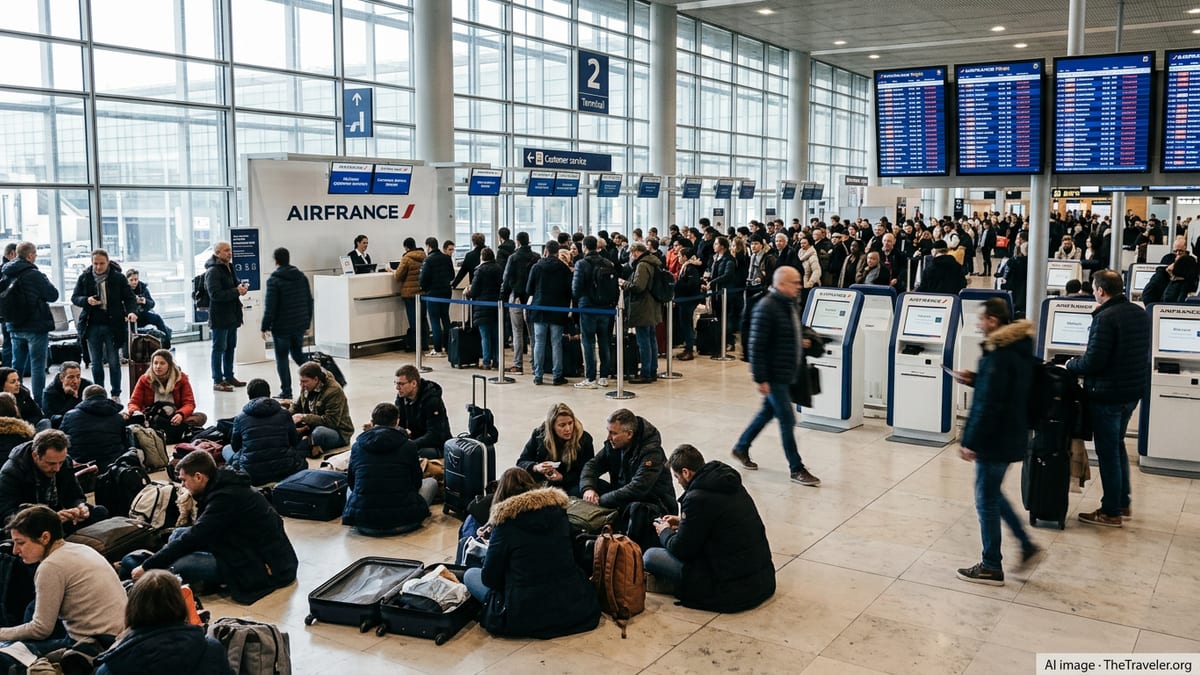
In a parallel move, the department ordered the departure of non-emergency U.S. government employees and eligible family members from Saudi Arabia, citing an increased risk to civilians and critical infrastructure. Separate reporting notes that the U.S. Embassy in Riyadh has issued security alerts in recent days urging “extreme caution” in and around airports and other transport hubs after strikes that temporarily closed the capital’s main international gateway.
Regional travel advisories have also hardened in response to the conflict in Gaza and associated tensions. Publicly available U.S. guidance now lists Gaza under a Level 4, Do Not Travel notice, while Saudi Arabia and several neighboring states face varying levels of warning tied to the possibility of further attacks on civilian locations, cross-border escalation and disruptions to air traffic.
Despite those developments, there has been no official indication so far that the Alvarez versus Mbilli event will be postponed or relocated. Coverage from boxing and general sports outlets continues to list the fight at Kingdom Arena in Riyadh on October 31, with undercard bouts and international broadcast partners unchanged.
Riyadh Season presses ahead with flagship events
The Canelo Mbilli card is one of the earliest major international sports fixtures on the Riyadh Season calendar following the latest round of hostilities in the region. Previous reporting on the broader program shows Saudi organizers investing heavily in securing high-profile events spanning boxing, mixed martial arts, professional wrestling and motorsport as part of a long-term tourism and image-building strategy.
Some sporting properties have already adjusted schedules. Coverage indicates that an exhibition tennis tournament originally planned as an opening attraction for this year’s festival was moved to a later date for what were described as organizational and logistical reasons. Other events, however, remain slated to go ahead in Riyadh and other Saudi cities.
Within that context, Alvarez’s presence in the kingdom is being framed by local promoters as proof of continued confidence in Saudi Arabia’s ability to host blue-riband occasions despite regional instability. Social media posts shared in recent weeks by senior Saudi sports officials have emphasized their intention to proceed with the fight, while acknowledging the “hard times” the region is experiencing.
The October 31 bout is also positioned as part of a wider collaboration between Alvarez’s promotional outfit and Saudi partners, after the fighter’s first appearance in the kingdom earlier in his career and subsequent announcements of future Riyadh-focused events involving some of boxing’s biggest names.
Fans weigh risk and reward as travel plans collide with alerts
The clash between an elevated U.S. security posture and an unchanged fight schedule is creating difficult choices for traveling supporters. Online discussion among boxing followers and wrestling fans planning to attend WWE’s Crown Jewel show in Riyadh one week later reflects a mix of determination, nervousness and confusion over the practical impact of the advisories.
Under current U.S. guidance, a Level 4 advisory is a strong signal for citizens not to travel, even though it is not an outright legal ban on private trips. Airlines and tour operators are monitoring developments, and while some carriers reportedly paused or rerouted flights at the height of recent attacks, services into Riyadh have continued, albeit with the possibility of last-minute disruption.
Travel industry commentary notes that those who still choose to go for the fight are being urged to maintain flexible itineraries, pay close attention to airline and airport updates, and register with consular services where applicable. Insurance providers may also treat the higher advisory level as a trigger for policy exclusions or changes in coverage, adding another layer of complexity for international visitors attracted by marquee events such as Canelo Mbilli.
For many local fans within Saudi Arabia and the wider Gulf, by contrast, attending the bout is viewed as part of a broader embrace of the kingdom’s growing sports calendar. Ticket sales and online engagement tracked by regional media suggest substantial interest in seeing one of boxing’s most recognizable champions compete in the capital, even as the security situation remains fluid.
A defining night for boxing and for Saudi sports ambitions
Inside the ring, Alvarez’s challenge represents a pivotal moment in the super middleweight division. Mbilli arrives as an unbeaten titleholder with a reputation for relentless pressure, while Alvarez brings more than 60 professional wins and years of experience on the sport’s largest stages. Analysts expect a high-stakes clash that could reshape the championship landscape at 168 pounds.
Outside the ropes, the event has become a test of Saudi Arabia’s determination to keep its sports and entertainment drive on track amid regional conflict. The decision to move forward with the fight under a sharpened U.S. warning places a spotlight on security preparations around the venue, transport links and fan zones that form part of the Riyadh Season experience.
How smoothly fight week unfolds, and how comfortable international athletes, support staff and spectators feel on the ground, will be closely watched by other organizers weighing major events in the region. For visitors intent on being in Riyadh on October 31, the spectacle of a world title bout must now be balanced against a rapidly shifting geopolitical backdrop and the strongest U.S. caution yet regarding travel to Saudi Arabia.