


More news on this day
Runway operations at Cape Town International Airport have resumed after an aircraft incident on the main runway triggered temporary restrictions, causing diversions, delays and disruptions across several domestic and international routes.
Get the latest news straight to your inbox!
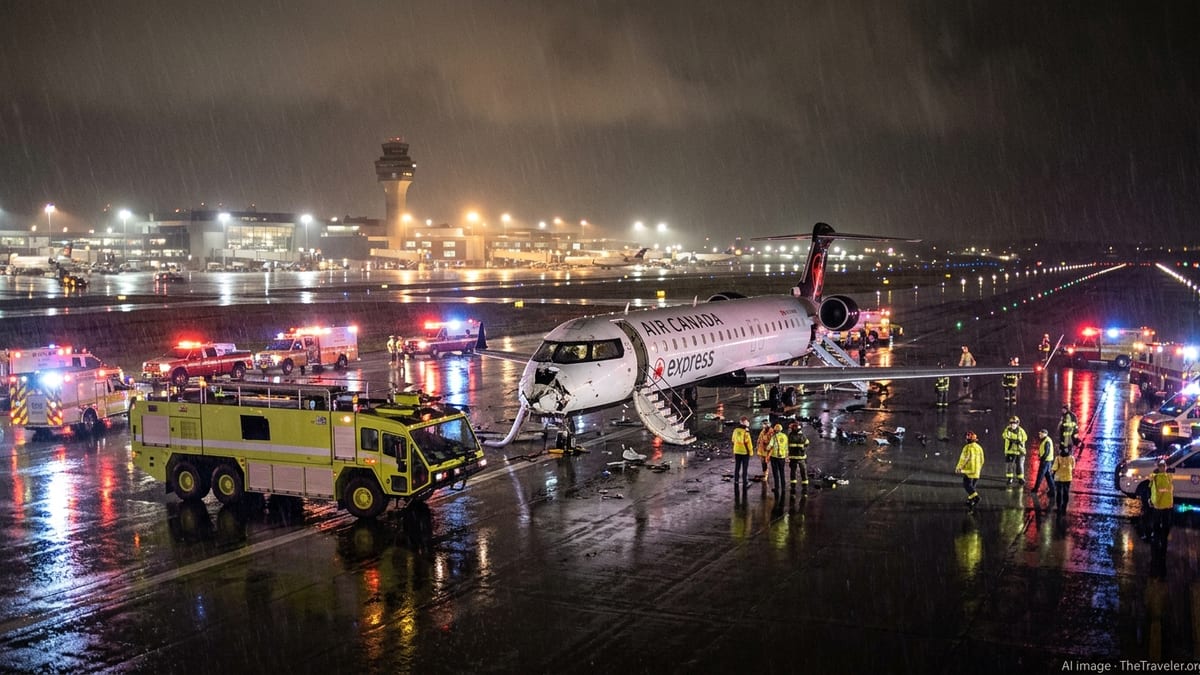
Incident Brings Temporary Halt to Arrivals and Departures
According to publicly available information and local aviation discussion, an arriving aircraft experienced a technical problem while on the runway at Cape Town International Airport earlier this week, leading to a temporary suspension of normal movements. The aircraft came to a stop on the main runway, requiring ground teams to secure the scene and assess the condition of both the jet and the pavement.
Published accounts from travelers indicate that, during the response period, runways at Cape Town were placed under restrictions, with some movements paused while the disabled aircraft was managed and the operating surface inspected. Safety protocols in such situations typically require that no other aircraft land or depart on the affected runway until checks are complete and the surface is confirmed clear of debris.
The incident occurred during a busy period for the airport, which serves as the primary international gateway to South Africa’s Western Cape. As a result, the temporary halt had an immediate knock-on effect on flight schedules, with aircraft placed in holding patterns, diversions ordered and turnaround times extended.
There were no early indications in public reporting of serious injuries related to the event. Most references described the situation as disruptive rather than catastrophic, with the focus falling on operational delays rather than emergency medical consequences.
Runway Clearance Allows Gradual Resumption of Traffic
Once the affected aircraft was removed from the runway and engineering teams completed surface inspections, operations began to ramp back up. Historical data from similar events at Cape Town and other major airports suggests that inspection teams typically look for foreign object debris, rubber deposits, fluid spills and any structural damage to runway lighting or markings before authorizing renewed use.
Reports from passengers and aviation enthusiasts tracking the situation show that, after the aircraft was towed clear, a backlog of arrivals and departures began working through the system. Some flights landed later than scheduled following extended holding or rerouting, while others faced knock-on delays as aircraft and crew were repositioned.
For several hours, the airport operated below normal capacity as air traffic controllers sequenced returning flights and coordinated with airlines on departure slots. As conditions stabilized, runway use patterns and traffic flows moved back toward regular levels, with airlines updating customers on revised departure times.
By later in the day, publicly visible flight-tracking data suggested that Cape Town International was once again handling a near-normal mix of domestic shuttles, regional services and long haul international flights, even as residual delays persisted on some routes.
Widespread Disruptions for Passengers Across the Network
The impact of the runway closure was felt well beyond Cape Town itself. Social media posts and traveler reports describe passengers on inbound long haul services being diverted to other South African airports when the runway restrictions were at their peak. Some connecting passengers missed onward flights to secondary destinations within the region as a result.
Travelers on domestic routes reported extended waits both in the air and on the ground, with some aircraft held in stacks over the Western Cape while controllers prioritized heavier, long haul arrivals. Others experienced departure delays from origin cities as airlines adjusted schedules to account for limited arrival slots into Cape Town.
At the terminal, the incident exacerbated congestion that has already been a talking point for frequent travelers at Cape Town International. Published commentary in recent months has highlighted growing pressure on check-in, security and immigration queues as traffic rebounds and tourism demand strengthens for the city and its surrounding winelands.
Customer experiences during the latest disruption varied widely. Some travelers reported relatively smooth rebooking and assistance, while others described longer waits for information and limited alternative options on heavily booked services, particularly on regional links and overnight long haul routes.
Spotlight on Capacity, Resilience and Future Upgrades
The temporary shutdown of Cape Town’s main runway once again underscores how a single aircraft incident can ripple through a busy hub airport’s operations. Industry analyses of past events at Cape Town and other international gateways show that even non-injury occurrences on a primary runway can lead to hours of delays as safety checks are carried out and airline schedules are reset.
Cape Town International has been the subject of long running discussions about infrastructure upgrades, including work on runway rehabilitation and proposals for a realigned, higher capacity main runway to better accommodate widebody aircraft. Public documents and planning material indicate that these projects are intended to boost resilience, improve safety margins and support growing international demand for the destination.
Operational research on airport performance points out that runway incidents frequently expose pressure points in wider systems, from airspace management to ground handling and terminal processing. Situations that require diversions and holding patterns can quickly strain fuel planning, crew duty limits and slot availability, particularly at airports situated at the geographic edge of long haul networks, as Cape Town is for many airlines.
For tourism dependent destinations, any episode that disrupts arrivals is closely watched by the travel industry. Local tour operators, hotels and car rental businesses depend heavily on the predictable flow of visitors, especially during peak holiday periods, making rapid restoration of normal runway operations a key priority whenever unexpected events occur.
What Travelers Should Expect in the Coming Days
With the runway now back in service, published schedules suggest that airlines are working to normalize operations, though scattered delays and equipment changes may continue as aircraft and crews are brought back into regular rotations. Some carriers are likely to operate recovery flights, use larger aircraft on selected routes, or consolidate lightly booked services to reposition capacity.
Travelers scheduled to fly through Cape Town in the near term may still encounter minor timing adjustments as residual disruption clears. Industry practice in the wake of such incidents typically includes ongoing inspections of runway surfaces, monitoring of performance data and reviews of air traffic flow measures to minimize the risk of further knock-on delays.
Passenger advocates generally recommend that travelers monitor airline notifications closely, arrive earlier than usual for departures during the days following a significant operational event and remain flexible regarding seat assignments or connection choices. Travel insurance policies that cover missed connections or extended delays can also provide an additional layer of protection in the aftermath of an incident that affects a major gateway.
For now, publicly available information indicates that Cape Town International Airport is once again handling regular traffic, with aircraft movements returning to familiar patterns over the city and the surrounding coastline, even as aviation observers continue to examine the details and lessons of the latest runway episode.