


Airport lounges used to be an afterthought for many travelers, but the rise of premium credit cards has turned them into a core part of the journey. On recent trips through Dallas Fort Worth, Denver, Washington Dulles and other major hubs, I set out to compare three of the most talked about premium lounge networks: Capital One Lounges, American Express Centurion Lounges and Chase Sapphire Lounges by The Club. After multiple visits at different times of day and in different cabins, a clear picture emerged of where Capital One shines, where it falls short and which lounge I would actually plan my layovers around.
Get the latest updates straight to your inbox!
Where You Will Actually Find Capital One Lounges Right Now
Capital One’s lounge network is still compact compared with the sprawling Centurion and Priority Pass ecosystems, but it has grown enough that many U.S. travelers will now encounter it. As of mid 2026, full Capital One Lounges are operating at Dallas Fort Worth (DFW), Denver (DEN) and Washington Dulles (IAD). Capital One has also announced or opened additional branded spaces at airports such as Las Vegas, New York JFK and Washington National in varying formats, but the flagship experience most people are talking about is in that DFW, DEN and IAD trio.
For this review I focused on the full lounges at DFW, DEN and IAD, then compared those visits to recent experiences in American Express Centurion Lounges in Dallas, Denver and Miami, plus Chase Sapphire Lounges in Boston and New York. All visits were made in 2024, 2025 and early 2026 during normal operating hours, with a mix of peak morning bank departures and quieter midafternoon connections. That timing matters, because a lounge that feels serene at 10 a.m. can turn into standing room only during the evening rush.
Capital One’s footprint will still feel limited if you fly mostly through hubs like Atlanta, Chicago O’Hare or Los Angeles that are dominated by other lounge brands. But if your home or frequent connection airport is DFW, DEN or IAD, the difference between having and not having access to these lounges can materially change your travel day.
Unlike Priority Pass locations that are scattered in secondary terminals, the Capital One lounges I visited were well placed for international and domestic connections. At Dallas Fort Worth, for example, the lounge is in Terminal D near gate D22, which made it easy to reach from both American Airlines international arrivals and domestic flights using the Skylink train.
Access, Cards and Real-World Costs
Access rules are where many travelers get tripped up, and they have changed recently. Capital One Venture X cardholders still get unlimited complimentary access for the primary cardholder to Capital One Lounges. However, since early 2026 Capital One has required a minimum annual card spend to unlock complimentary guest access, which means occasional travelers who previously brought family members in for free may now face per-guest charges. By contrast, Chase Sapphire Reserve cardholders can bring up to two guests into Sapphire Lounges at no extra fee, while American Express has moved to stricter guest policies and spend requirements for Centurion Lounges.
In my case, I entered the Capital One lounges with a Venture X card, the Centurion Lounges with an Amex Platinum card, and the Sapphire Lounges with a Chase Sapphire Reserve. In all three networks, I was asked to show the physical or digital card plus a same day boarding pass. At Dallas and Denver, Capital One staff were strict about departing flights only, refusing entry when I arrived very early after an overnight connection. That policy matched my experience at Amex Centurion Lounges, where agents closely checked departure times to avoid people camping for long stretches.
If you do not hold a Venture X or similar Capital One premium product, same day walk up access at Capital One Lounges is possible but usually pricey and subject to capacity controls. The prices I was quoted varied by location and time but were generally in line with or slightly higher than day passes at independent lounges, enough that it rarely made sense for a solo traveler. By comparison, Sapphire Lounges can be accessed once per year through some Priority Pass memberships even if you are not a Chase cardholder, and Amex Platinum’s Priority Pass can still be useful for non-branded lounges in airports where none of these premium spaces exist.
The practical takeaway: if you fly through a Capital One hub more than a few times a year, holding the right card is almost a prerequisite. Without it, you are unlikely to see the best of what these lounges offer, and you may find yourself comparing a paid Capital One visit with simply buying a nicer meal in the terminal.
Design, Layout and How These Lounges Actually Feel
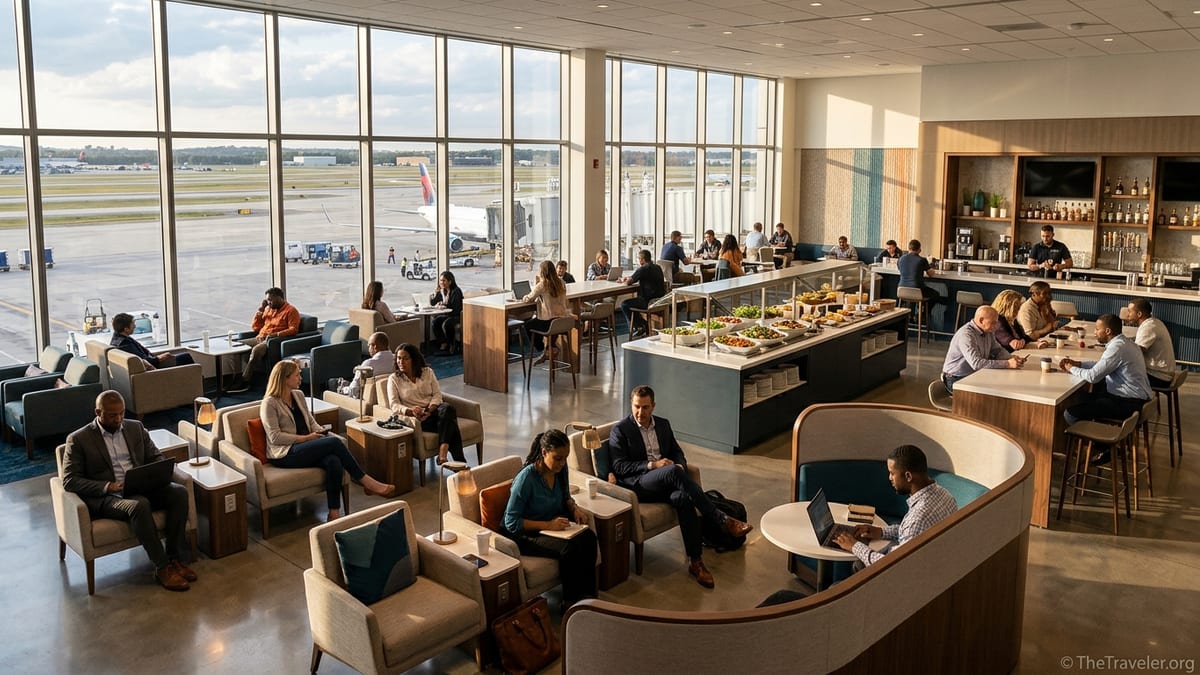
The first thing that struck me walking into the Capital One Lounge at DFW was the sense of space and light. Large floor to ceiling windows overlook the tarmac, with a long bar running parallel to the glass and a mix of communal tables, booths and solo work carrels. The design is modern but not flashy, with natural woods, soft textiles and subtle Texas accents. Denver’s lounge has even stronger regional character, with mountain inspired artwork and a food program that leans into local ingredients and Colorado craft beer.
Compared with American Express Centurion Lounges, Capital One’s interiors feel slightly more relaxed and less crowded at similar times of day. During a Wednesday morning peak at DFW, the Capital One lounge was busy but I still found a quiet two top table within five minutes. That same morning, the nearby Centurion Lounge was running a waitlist with a 20 minute estimated delay and every visible seat occupied. The difference was less stark in Denver, where the Centurion Lounge is newer and larger, but Capital One still felt less chaotic at the bar and buffet.
Chase Sapphire Lounges sit somewhere between the two. In Boston, the Sapphire Lounge by The Club had a chic, almost boutique hotel feel with moodier lighting and more dramatic design elements, but it could also feel darker and louder during evening departures. By comparison, Capital One’s layout choices favor sightlines and natural light, which made it easier to find quiet corners or monitor your boarding time without constantly checking the departure screens.
One design choice I appreciated in every Capital One lounge I visited was the variety of seating types. There were standard dining chairs, lounge chairs with side tables large enough for a laptop, semi enclosed work booths and a few proper desk setups with office chairs and power at desk height. In contrast, some Centurion Lounges still lean heavily on low armchairs that are comfortable for a drink but awkward for extended work, and a few Sapphire Lounges have photogenic but less practical seating that fills up quickly.
Food, Drinks and How They Stack Up Against Centurion and Sapphire
Capital One has clearly decided that food and beverage is where it wants to compete. In Dallas, the buffet during a midday visit included a kale and quinoa salad with roasted squash, a smoked chicken dish, a vegetarian pasta, roasted vegetables and small desserts. Most dishes leaned healthier and less greasy than the typical sausage and potatoes you will still see in many Priority Pass lounges. Denver, during an evening visit, offered items like green chili dishes and local style flatbreads that felt distinctly Colorado and more adventurous than standard lounge fare.
The quality was consistently a notch above what I saw in Chase Sapphire Lounges, where the food was good but occasionally felt like an upscale hotel buffet rather than a destination in itself. In Boston’s Sapphire Lounge, for instance, a winter evening spread featured braised chicken, roasted potatoes and a few salads that were perfectly fine but not especially memorable. American Express Centurion Lounges were closer to Capital One in ambition, with some locations offering chef designed menus and hot dishes that could pass for a proper restaurant meal, but execution varied by time of day and crowd level. At peak times, Centurion buffets sometimes looked picked over and slow to be refreshed, while Capital One’s staff in Dallas and Denver were more proactive about topping up trays and clearing tables.
Beverage programs were another differentiator. Capital One Lounges offered a solid selection of complimentary cocktails, wine and local beers, often with a small list of signature drinks that featured local spirits. In Denver I tried a gin based cocktail using a Colorado distillery product that would not have been out of place in a downtown bar. American Express usually wins on pure bar creativity, especially in flagship Centurion locations where mixologists are a selling point, but Capital One came surprisingly close. Chase’s Sapphire Lounges had competent bars, although in my visits they felt more standard and less tied to local flavors.
A subtle but important perk at Capital One is the availability of grab and go food. Refrigerated cases held prepacked salads, sandwiches, yogurt and snacks designed to be taken with you. On a tight connection at DFW, I grabbed a boxed grain bowl, sparkling water and a cookie to eat on the plane when I knew the airline would only offer a small snack box. Neither the Centurion Lounge nor the Sapphire Lounge I visited that day offered comparable grab and go stations, which meant you either had to sit and eat quickly in the lounge or buy something in the terminal.
Showers, Wellness Spaces and Working On the Road
Where Capital One really differentiates itself is in non food amenities. All three of the lounges I visited had well maintained shower suites that could be reserved at the check in desk. After an overnight economy flight into DFW followed by a long layover, I was given a key to a spotless shower room within ten minutes. The space had strong water pressure, high quality toiletries, a hairdryer and enough counter space to comfortably repack a carry on. That experience compared favorably with both Centurion and Sapphire lounges, where shower waitlists can stretch to 30 or 45 minutes during peak arrival banks.
Beyond showers, Capital One’s wellness options were more creative than most. At Dallas, there were small relaxation rooms with adjustable recliners and dimmable lights, designed for short naps or quiet time. Denver’s lounge incorporated a modest but useful fitness area, with a couple of stationary bikes and stretching space that felt more like a boutique gym corner than a hotel business center. Washington Dulles had dedicated quiet work rooms with doors, ideal for taking calls, along with common work benches with plentiful power outlets.
American Express Centurion Lounges sometimes offer spa style services or family rooms, which can be equally valuable, but availability is inconsistent by location. Some of the more crowded Centurion spaces I visited felt like they were struggling to keep up with demand for showers and quiet zones. Chase Sapphire Lounges often include wellness or gaming rooms, but their use can feel more casual, with fewer truly quiet areas aimed at business travelers who need to focus for an hour or two.
Wifi speeds were strong in every Capital One lounge I tested, easily handling video calls and large file downloads. Power outlets were plentiful and, crucially, often at desk or table level rather than under chairs. For travelers who treat lounges as temporary offices not just snack stations, these small design choices can matter more than another cocktail on the menu.
Crowds, Capacity and When Capital One Wins or Loses
Even the best designed lounge can fail if it is perpetually overcrowded. Across half a dozen visits, Capital One Lounges generally handled crowds better than comparable Centurion Lounges and about the same or slightly better than Sapphire Lounges. Midmorning and midafternoon windows were particularly pleasant at DFW and DEN: there was a low murmur of conversation, but finding a seat was never a problem and lines at the buffet and bar were short.
Peak evening international departure banks were a different story. At Dallas and Dulles, Capital One Lounges did reach the point where staff were turning away additional guests until space opened up, similar to what American Express does in its busiest hubs. During one Friday evening in DFW, a queue formed at the entrance and a handful of travelers with eligible cards were handed pagers to wait for entry. Once inside it was still possible to find seats, but the bar was crowded and families were circulating for open tables.
Chase’s Sapphire Lounges showed a similar pattern, though because the network is smaller and tied closely to Priority Pass, the mix of guests can vary more by airport. In Boston, for example, the Sapphire Lounge felt busiest in the early afternoon when a cluster of transatlantic departures lined up, while mornings were comparatively quiet. American Express Centurion Lounges, thanks to the enormous Platinum and Centurion cardholder base, were the most consistently crowded in my experience, particularly in major hubs like Miami, Dallas and Denver.
If you are choosing a card and care most about a high chance of finding a seat and a calm atmosphere at busy times, Capital One currently has a slight edge. It does not have the sheer capacity of the largest Centurion Lounges, but its smaller cardholder base and thoughtful seating plans keep it from tipping into chaos as frequently. That may change as more travelers sign up for Venture X, but for now, it feels like a sweet spot.
Which Travelers Benefit Most From Capital One Lounges
Capital One Lounges are not automatically the right choice for every traveler. If you fly mostly with airlines that have strong proprietary lounge networks and you already hold elite status, you might value a carrier’s own business class or flagship lounge more. For example, a frequent American Airlines flier with Admirals Club membership at DFW might dip into the Capital One Lounge occasionally, but could be equally well served by the airline’s own network, especially in terminals far from D22.
Where Capital One shines is for travelers who value a consistent, high quality experience across both domestic and international trips and who regularly pass through its current hubs. A Denver based leisure traveler taking two or three big trips a year to Europe or Hawaii might get outsized value from a Venture X card if each itinerary includes a comfortable preflight meal, shower and workspace in a Capital One lounge. The grab and go options are particularly useful for families who want to avoid paying premium terminal prices for snack boxes and bottled drinks before boarding.
Business travelers who work on the road will appreciate the serious approach to workspaces, quiet rooms and reliable wifi. While Centurion Lounges can be excellent, they are more susceptible to heavy crowding that makes focused work difficult, and Sapphire Lounges are not yet present in enough U.S. hubs to be a reliable default. For now, Capital One offers a strong combination of food, calm and practical amenities if your routes match its footprint.
On the other hand, if you travel infrequently and mostly to airports without a Capital One presence, it may be smarter to lean on a broader Priority Pass network via cards like Chase Sapphire Reserve or Amex Platinum. In that scenario, you might encounter a Capital One Lounge only once in a while, and its advantages would not justify shaping your card strategy around it.
The Takeaway
After comparing Capital One Lounges directly with American Express Centurion and Chase Sapphire Lounges, my main conclusion is that Capital One has earned a spot in the top tier of airport lounge experiences in the United States. It combines thoughtful design, genuinely good food, strong beverage programs and practical amenities like showers, nap rooms and grab and go stations in a way that feels tuned to how real travelers move through airports.
Centurion Lounges still lead in some markets, especially where they have flagship spaces and more elaborate bar programs, but their chronic crowding can erode the experience. Chase Sapphire Lounges offer stylish environments and solid perks, yet the network is patchier and often requires navigating Priority Pass rules. Capital One, for now, feels like the most balanced option where it exists: not as ubiquitous, but often the most pleasant place to spend one or two hours before a flight.
If your regular routes include Dallas Fort Worth, Denver or Washington Dulles and you are willing to carry a premium Capital One card, these lounges can justify a meaningful portion of the annual fee on their own, especially if you consistently use showers, workspaces and grab and go items. If your flying pattern is more scattered, you may still encounter them occasionally through day passes or future partnerships, and when you do, it is worth arriving at the airport a little early to enjoy the difference.
Looking ahead, the real test will be growth. If Capital One can expand to a dozen or more major hubs without sacrificing food quality or crowd control, it could become the go to lounge option for a large slice of U.S. travelers. For now, it is an excellent but still somewhat niche perk that is at its best when you build your travel plans and card choices around the airports where its lounges already shine.
FAQ
Q1. Who can access Capital One Lounges for free?
Primary cardholders of eligible Capital One premium cards, such as Venture X, receive complimentary access for themselves, subject to the current guest and spending rules that Capital One applies at the time of travel.
Q2. How do Capital One Lounges compare with Amex Centurion Lounges on food quality?
In my visits, Capital One Lounges consistently offered fresh, well presented buffets with local touches that were at least as good as, and often slightly more reliable than, what I found in Centurion Lounges at similar times of day.
Q3. Are Capital One Lounges usually less crowded than Centurion Lounges?
During midmorning and midafternoon periods, Capital One Lounges at DFW and DEN were noticeably less crowded than nearby Centurion Lounges, though all premium lounges can become very busy during peak evening departures.
Q4. Do Capital One Lounges have showers and nap rooms?
Yes, the flagship locations I visited offered bookable shower suites and small relaxation or nap rooms, which were easier to access without long waitlists than in many competing lounges.
Q5. Can I bring guests into a Capital One Lounge?
Guest policies depend on the specific card and any current spending requirements, but in general primary premium cardholders can bring in a limited number of guests, with some or all guests potentially incurring a fee if minimum spend thresholds are not met.
Q6. How do Chase Sapphire Lounges compare with Capital One Lounges?
Chase Sapphire Lounges are stylish and comfortable, with solid food and bars, but in my experience Capital One slightly edged them out on local food character, practical workspaces and grab and go options.
Q7. Is it worth buying a day pass to a Capital One Lounge without a qualifying card?
Day passes can be expensive and capacity controlled, so they may only be worth it if you have a long layover and plan to fully use the food, drinks, showers and workspace instead of paying separately in the terminal.
Q8. Do Capital One Lounges accept Priority Pass memberships?
Capital One Lounges are primarily designed for Capital One cardholders, and while access partnerships can change over time, travelers should not assume that a general Priority Pass membership will grant the same entry privileges.
Q9. Are Capital One Lounges good for getting real work done?
Yes, the lounges I visited offered strong wifi, abundant power outlets and dedicated work areas or quiet rooms, making them well suited for business travelers who need to work between flights.
Q10. Should I choose a Capital One card over an Amex or Chase card just for lounge access?
The decision should be based on your home and connection airports, flight patterns and overall card benefits. If you often travel through airports with Capital One Lounges, they can be a major advantage, but if you rarely see them on your routes, a card tied to a broader lounge network might serve you better.