


If you are tired of spending $20 on a sad airport sandwich every time you fly, lounge access can feel like a smart upgrade rather than a splurge. Two of the most talked‑about options for U.S. travelers right now are Capital One’s own airport lounges and the global Priority Pass network. Both promise quieter spaces, food and drinks, and reliable Wi‑Fi. But which option actually saves you more money once you factor in membership costs, card annual fees, guest charges, and how often you travel?
Get the latest updates straight to your inbox!
What Capital One Lounges Actually Offer and What They Cost
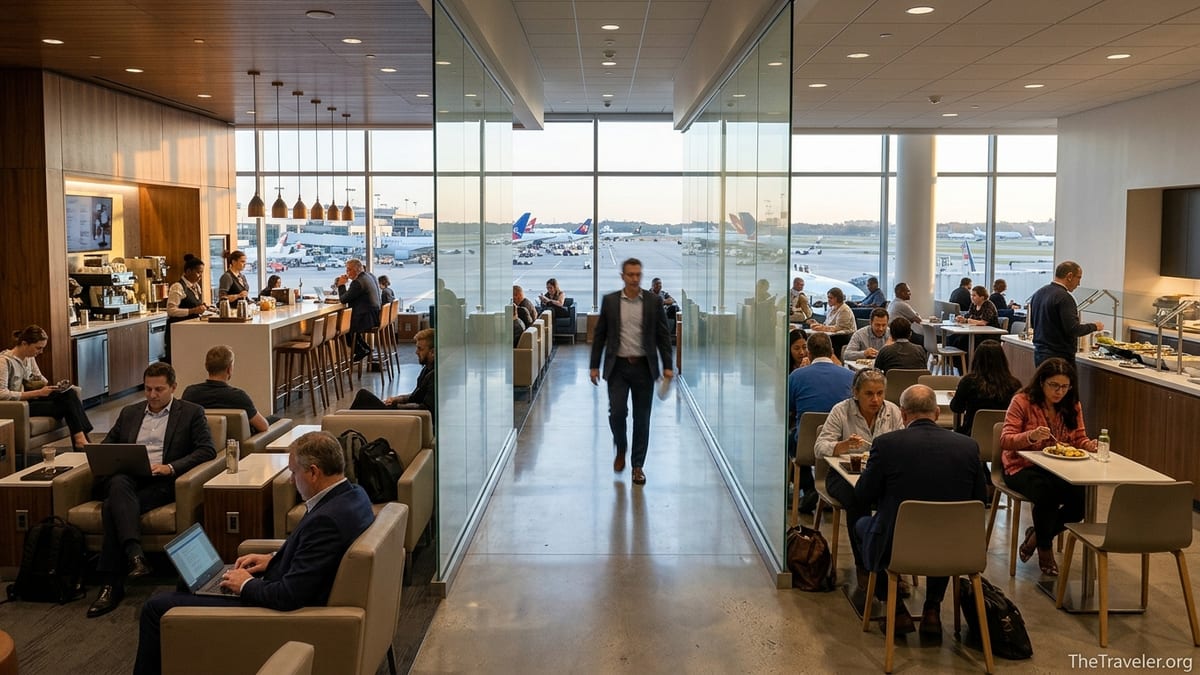
Capital One Lounges are a small but fast‑growing network of premium airport lounges in the United States. As of mid‑2026, you will find full Capital One Lounges at airports such as Dallas Fort Worth, Denver, Las Vegas, Washington Dulles and New York JFK, plus Capital One "Landing" concepts at airports like Washington National and New York LaGuardia that focus more on upscale dining. These spaces are designed to compete with top‑tier lounges, with buffet‑style food, craft cocktails, barista coffee, showers, and quiet work areas that go well beyond a typical crowded gate area.
For most casual travelers, the key cost question is how you get in. The flagship path is the Capital One Venture X Rewards credit card, which charges a $395 annual fee and includes unlimited complimentary entry for the primary cardholder to Capital One Lounges and Landings. You present your card and same‑day boarding pass at the door and pay nothing to enter. Without the right card, day passes are typically around $90 per visit for the general public, with a discounted rate of about $45 for holders of select Capital One travel cards like Venture and Spark Miles, plus reduced pricing for children.
Guest access has become more restrictive. Starting February 1, 2026, Venture X primary cardholders no longer receive automatic free guests at Capital One Lounges. Instead, you generally pay about $45 per adult guest and $25 for guests age 17 and under, while children under 2 enter free with a guardian. Capital One has added a high‑spend exception: if you put at least $75,000 on your Venture X in a calendar year, you can unlock complimentary lounge entry for up to two guests at Capital One Lounges and one guest at Capital One Landings per visit.
In real terms, that means a family of four flying twice a year and visiting a Capital One Lounge on each departure could easily see guest charges of about $180 per visit if the primary cardholder has not hit the $75,000 spend threshold. The true value of Capital One Lounges therefore depends heavily on whether you typically travel solo or with companions, and how willing you are to pay guest fees out of pocket.
How Priority Pass Works and What Direct Membership Really Costs
Priority Pass is a global lounge network rather than a single brand of lounges. It partners with more than 1,300 locations worldwide, including third‑party lounges, airline lounges during off‑peak hours, and sometimes airport restaurants where you receive a food and beverage credit. The experience can vary widely: at one airport you might find a quiet room with basic snacks; at another, a full hot buffet, showers, and tarmac views. For many international airports that lack U.S. credit‑card‑branded lounges, Priority Pass is often the only realistic option for lounge access.
Travelers can buy Priority Pass membership directly. As of 2026, the published annual fees for U.S. customers are in three tiers. A basic "Standard" tier runs around $99 per year with a per‑visit charge of about $35 each time you enter a lounge. A mid‑tier "Standard Plus" membership costs roughly $329 and includes about 10 free lounge visits per year, with additional visits at around $35. The top "Prestige" tier is about $469 annually and includes unlimited visits for the primary member, again with guest entries typically charged at about $35 per person per visit.
Unlike the Capital One Lounge model, where a qualifying credit card grants full access with no per‑visit fee for the cardholder, all Priority Pass direct memberships involve either a higher upfront membership fee, per‑visit costs, or both. If you only take one or two trips per year, paying $99 plus $35 per visit is usually worse value than simply buying a single‑use pass to an independent lounge at the airport. Priority Pass membership becomes more compelling once you are taking at least five to ten trips per year, especially when those trips include international itineraries where lounges are more plentiful.
Guest fees matter here too. On direct memberships, guests generally pay about $35 per visit regardless of tier. So a couple traveling together with a Prestige membership could easily see $35 added every time a guest accompanies the primary member into a lounge, on top of the nearly $470 annual fee they have already paid.
The Cardholder Angle: Venture X With Capital One Lounges and Priority Pass
Many U.S. travelers will not buy Priority Pass directly at all. Instead, they receive a Priority Pass Select membership bundled with a premium credit card, and that is where Capital One’s Venture X card becomes central to this comparison. Venture X gives the primary cardholder unlimited free entry to both Capital One Lounges and participating Priority Pass lounges after enrollment, for a $395 annual card fee. The card also offers an annual travel credit of about $300 through Capital One Travel and an anniversary points bonus typically worth around $100 in travel redemptions. For travelers who fully use those benefits, the effective net cost of the card can feel close to zero before even factoring in lounge access.
However, the lounge math has shifted in 2026. Venture X once allowed very generous guesting at both Capital One and Priority Pass lounges. Under the updated rules, the primary cardholder and any additional cardholders who have been granted lounge privileges must now generally pay for guests at both networks. At Capital One Lounges, the charge is about $45 per guest (with discounted child rates). At Priority Pass lounges, the guest fee is typically around $35 per person per visit. The high‑spend $75,000‑per‑year exception only restores limited complimentary guests at Capital One’s own locations and does not eliminate guest fees at most Priority Pass lounges.
For a frequent solo traveler, this does not drastically reduce the value proposition. Imagine a consultant who flies twice per month, accessing either a Priority Pass lounge or a Capital One Lounge 24 times per year. Without the card, purchasing a mid‑tier Priority Pass Standard Plus membership at about $329 with 10 visits included and 14 extra visits at $35 each would cost roughly $819 out of pocket. By contrast, the Venture X annual fee is $395, and when you subtract the roughly $300 annual travel credit and around $100 in anniversary reward value, you are effectively paying close to nothing for unlimited lounge access plus travel protections and points earning.
But for a family traveler who almost always flies with a spouse and child, the numbers look different. Suppose a family of three uses lounges six times in a year via Venture X. The primary cardholder pays no entry fee, but guests are charged about $45 and $25 respectively, for a total of roughly $70 per visit. Over six visits, that is $420 in guest charges, plus the $395 annual card fee. Even after subtracting the travel credit and anniversary bonus, this family can easily end up effectively paying more than $400 a year specifically for lounge access, which is comparable to or higher than simply buying a couple of single‑use day passes at select airports when it really matters.
Capital One Lounge Day Pass vs Direct Priority Pass: Real‑World Scenarios
To understand which option saves more money, it helps to compare concrete examples. Consider a traveler based in Dallas who takes three round‑trip leisure journeys a year, all departing from Dallas Fort Worth where there is a Capital One Lounge. They fly economy, arrive early at the airport, and would happily spend two hours in a comfortable space with real food and drinks rather than at the gate.
If this traveler buys a day pass at roughly $90 each time, three visits in a year will cost about $270. That is still less than the $395 Venture X annual fee, so if they do not benefit from the card’s travel credits or points, it is cheaper to pay per visit. If they hold a mid‑tier Capital One travel card that brings the day pass price down to roughly $45, then three visits cost only about $135, which is far cheaper than either Venture X or a direct Priority Pass membership for someone taking just a handful of trips annually.
Now look at a traveler from a smaller U.S. city who typically connects through big hubs in Europe or Asia. They might not pass through a Capital One Lounge at all, but are likely to see Priority Pass locations in airports like London Gatwick, Istanbul, Doha, Singapore, or Mexico City. If that traveler takes four international trips per year, with lounge visits before both outbound and return flights, that could be eight lounge entries annually. Buying a Standard Plus Priority Pass membership at around $329 with 10 visits included means their average cost per visit is roughly $33, and they will still have a couple of entries to spare.
In that scenario, Capital One Lounges alone provide almost no value because of the limited footprint, while Priority Pass becomes the clear money saver. The equation changes again if that same international traveler holds Venture X: the $395 card fee, partly offset by credits, gets them access to both Priority Pass and any Capital One Lounges they happen to encounter domestically. For a global traveler who values both networks, the bundled approach generally beats paying separately for direct Priority Pass and various day passes, so long as they avoid racking up large guest fees.
When Priority Pass Beats Capital One Lounges on Savings
There are many situations where Priority Pass comes out ahead, particularly for travelers who value global coverage and travel frequently enough to amortize the membership or card fee. For example, a road warrior who flies internationally twice a month and often connects in airports with multiple Priority Pass lounges can easily hit 25 or more lounge visits per year. If they purchased a direct Prestige membership at around $469, each personal visit would average less than $19 in membership cost, which is far lower than buying $45 to $90 day passes every time.
In practice, this frequent traveler is more likely to hold a premium card like Venture X, a high‑end Chase or American Express card that bundles Priority Pass Select. Here, the math relies heavily on how much of the card’s annual fee you mentally attribute to lounge access versus other perks. If you already value the card for travel protections, earning rates, and statement credits, the incremental cost of lounge access via Priority Pass can be viewed as close to zero. In that case, Priority Pass saves substantial money relative to paying per visit or relying exclusively on a limited domestic lounge network.
Priority Pass also wins for travelers whose home or most‑used airports simply do not have Capital One Lounges. A flier based in Phoenix, Minneapolis or many mid‑sized international cities can go years without ever seeing a Capital One sign but will encounter Priority Pass logos on terminal maps again and again. In those environments, the $395 Venture X fee is only justifiable if its bundled Priority Pass access is used regularly. If the same traveler bought direct Prestige membership and did not need the other credit card benefits, Priority Pass alone could still be a cost‑effective lounge solution, particularly if they travel solo.
However, Priority Pass can become very expensive for couples or families when guest access is not complimentary. Two adults entering a lounge six times in a year on a direct Standard Plus membership could pay $329 for membership plus about $210 in guest fees, for a total of around $539. That is more than it would cost for each adult to buy their own entry‑level Priority Pass Standard memberships and pay per visit individually, or in some cases to simply purchase day passes when needed. Priority Pass makes the most financial sense for frequent solo travelers or those whose guest access is covered by a card issuer, which has become less common in recent policy changes.
When Capital One Lounges Deliver Better Value Than Priority Pass
Capital One Lounges have a narrower footprint but a stronger value proposition in specific cases. They are most compelling for travelers who frequently use the airports where Capital One has built lounges and who travel alone or can justify paying carefully managed guest fees. Take a business traveler based in the Washington, D.C. area who commutes regularly through Washington Dulles and sometimes through New York JFK. With a Venture X card, each of their visits to these lounges is effectively free after accounting for the card’s credits, and the quality of food and amenities is typically higher than what many Priority Pass lounges offer.
Imagine this traveler visits a Capital One Lounge about 15 times a year and only occasionally uses Priority Pass overseas. Buying direct Priority Pass Prestige at roughly $469 would not grant them access to those Capital One spaces at all, so they would still be stuck buying day passes or upgrading their card. In their case, the Venture X model that bundles Capital One Lounge access and Priority Pass Select for $395, largely offset by credits, delivers more real‑world savings than a standalone Priority Pass membership.
Capital One Lounges also shine for travelers who highly value quality over quantity. A family connecting through Dallas may prefer spending a single, long layover in a Capital One Lounge that offers hot meals, barista coffee, and kids’ play areas, rather than bouncing between smaller third‑party Priority Pass lounges with more limited amenities. If they only need lounge access once or twice a year, buying a discounted day pass through a Capital One card at around $45 can easily beat the cost of a Priority Pass membership that they will not use often enough to justify.
Another angle is guest pricing predictability. While guest fees at Priority Pass lounges are generally around $35, individual lounges and card issuers can alter access rules, limit guesting, or cap capacity. At Capital One Lounges, by contrast, pricing is standardized on the Capital One side: you know that a guest will generally cost around $45 and a child about $25, with free access only if you meet the very high annual spend requirement. That predictability can help families budget in advance, particularly when deciding whether to invite relatives or co‑workers into a lounge or leave them in the terminal.
The Takeaway
Neither Capital One Lounges nor Priority Pass is universally cheaper or better. The winner depends almost entirely on how you travel, where you fly, and how many people you bring with you. Capital One Lounges deliver outstanding value for frequent solo travelers and business flyers whose home airports have these premium spaces and who hold the Venture X card. Once you factor in the card’s travel credits and anniversary bonus, the effective cost of unlimited access can approach zero, turning each lounge visit into pure savings compared with buying airport food and drinks.
Priority Pass, especially when bundled with a premium credit card, tends to save more money for frequent international travelers who pass through a wide variety of airports where Priority Pass lounges are present but Capital One Lounges are not. For road warriors who visit lounges dozens of times a year, the effective cost per visit on a bundled Priority Pass membership can fall well below what any day pass would cost. Yet families and infrequent travelers must watch for mounting guest charges on both networks, which can erode or even erase the savings entirely.
If you take only a few trips a year and mainly fly from an airport with a Capital One Lounge, buying occasional discounted Capital One day passes through a mid‑tier card can be cheaper than maintaining any kind of annual lounge membership. If you travel often, especially abroad, and already carry a premium credit card for other reasons, the Priority Pass component of that card is likely to be your biggest money saver, provided you typically travel alone or with companions who have their own access. The smartest strategy is to map your actual routes, count the number of realistic lounge visits per year, and then calculate the annualized cost per visit under each option before you decide where to swipe your card.
FAQ
Q1. Is a Capital One Lounge or Priority Pass cheaper for an average U.S. traveler?
For most occasional U.S. leisure travelers who fly a few times per year, buying discounted Capital One Lounge day passes (around $45 when available) is often cheaper than paying for a full Priority Pass membership. Frequent international travelers who fly monthly and use lounges regularly usually save more with Priority Pass when it is bundled with a premium credit card.
Q2. How many lounge visits make a Priority Pass membership worth the cost?
As a rough rule, Priority Pass Standard Plus around $329 with 10 included visits starts to pay off at about eight to ten visits per year. Below that, per‑visit costs can approach or exceed typical day‑pass prices, so many low‑frequency travelers are better off skipping membership or relying on a credit card that bundles lounge access.
Q3. Do I need a Capital One credit card to enter a Capital One Lounge?
No, but it is usually cheaper if you have one. Anyone can typically buy a day pass at around $90 where capacity allows, while holders of certain Capital One travel cards can access discounted entry at about $45 per visit. Venture X cardholders enter free as primary members, with guest fees charged separately.
Q4. Does Venture X still include Priority Pass access in 2026?
Yes. As of mid‑2026, the Capital One Venture X still includes a Priority Pass Select membership for the primary cardholder, offering access to more than 1,300 worldwide lounges after enrollment. However, complimentary guest access has largely been removed, and most guests now incur an additional fee per visit.
Q5. What if I mostly travel with family or friends?
If you almost always fly with companions, guest fees quickly become the deciding factor. Priority Pass direct memberships typically charge about $35 per guest per visit, and Capital One Lounges around $45 per adult guest and less for children. For families of three or four, it can be more economical for multiple adults to hold their own lounge‑access cards instead of relying on a single membership with paid guests.
Q6. Which option is better if my home airport does not have a Capital One Lounge?
If your regular airports have several Priority Pass lounges but no Capital One Lounge, Priority Pass will usually save more money, especially when obtained via a credit card you already find valuable. Buying Capital One Lounge access or carrying a card that focuses on that network makes little sense if you rarely or never encounter those lounges in your actual travel patterns.
Q7. Are Capital One Lounges higher quality than most Priority Pass lounges?
In many cases, yes. Capital One Lounges are designed as premium spaces with strong food and beverage programs, showers, and attractive design. Priority Pass lounges vary widely: some rival top airline lounges, while others offer only basic snacks and seating. Even when a Capital One Lounge is slightly more expensive on a per‑visit basis, the quality difference can make it better value for travelers who care about the overall experience.
Q8. Can I combine Capital One Lounge access and Priority Pass to maximize savings?
Yes. With a card like Venture X that includes both Capital One Lounge and Priority Pass access, you can use Capital One Lounges when available for their high quality and Priority Pass when flying through airports where Capital One has no presence. This blended strategy tends to deliver the most savings for frequent travelers who fly through a mix of U.S. and international hubs.
Q9. Does meeting the $75,000 annual spend requirement really matter for savings?
It matters mainly for heavy‑spending cardholders who often bring guests into Capital One Lounges. Hitting that spend threshold unlocks complimentary guest access for a limited number of companions at Capital One locations, which can save hundreds of dollars per year for those who frequently travel with others. For most average travelers, however, reaching that level of spend is unrealistic, so the standard guest fees remain the more relevant cost.
Q10. How should I decide between these options before my next trip?
Start by listing how many trips you realistically take per year, how often you fly with companions, and which airports you use most. Then check how many of those airports have Capital One Lounges versus Priority Pass locations. Finally, divide the annual cost of any card or membership you are considering by your expected number of lounge visits to find your rough cost per visit. Whichever option delivers access where you actually fly at the lowest cost per visit, after factoring in guest charges, is likely to be the true money saver for you.