


Airport lounge hype is nothing new, but Capital One has taken things to another level with glossy ad campaigns, sleek interiors and big promises of restaurant-quality food and barista coffee. For many travelers, the obvious question is whether these Capital One Lounges are genuinely better or simply the latest overhyped perk tied to a premium credit card. Looking at how the flagship spaces in Dallas Fort Worth, Denver and Washington Dulles perform day to day in 2026 gives a more grounded answer.
Get the latest updates straight to your inbox!
What Capital One Lounges Actually Are in 2026
Capital One’s network is still small but influential. As of mid 2026, full Capital One Lounges operate at Dallas Fort Worth (DFW), Denver (DEN), Washington Dulles (IAD) and New York JFK, with additional "Capital One Landing" food‑forward concepts at Reagan National (DCA) and soon LaGuardia. Most travelers first encounter the brand at DFW’s Terminal D near Gate D22, where the first lounge opened in 2021 alongside the rollout of the Venture X card. Denver’s lounge sits on a mezzanine level above the main concourse, while Dulles and JFK’s lounges are embedded in their international terminals.
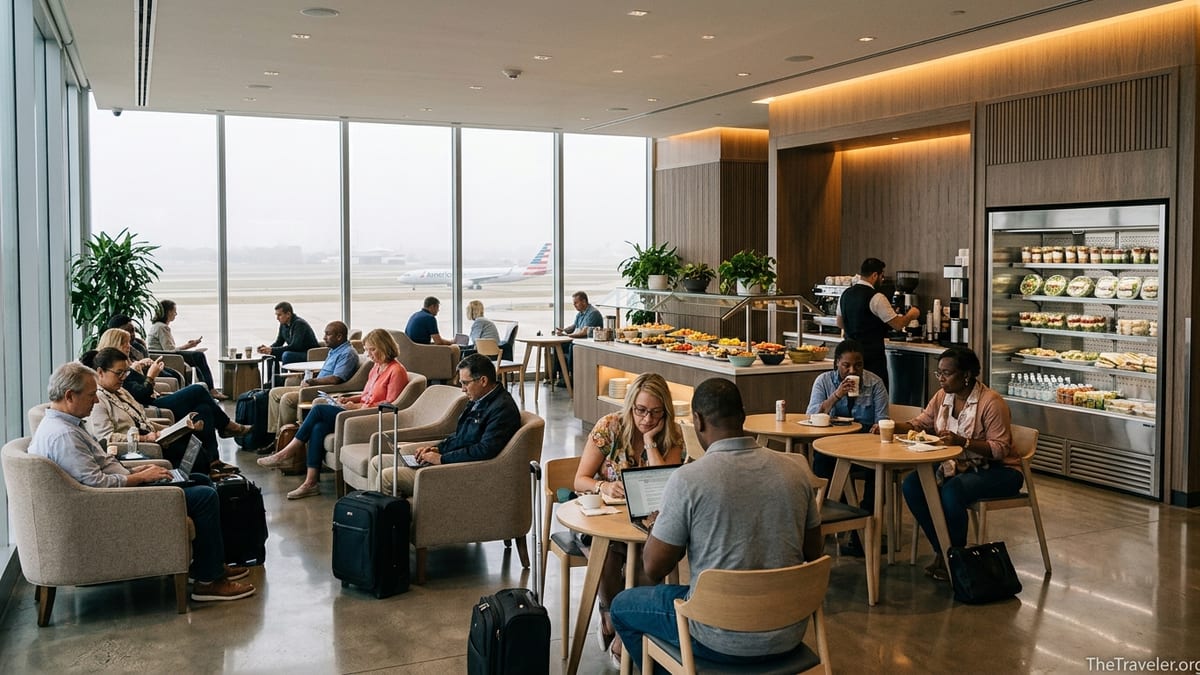
Unlike airline clubs that mainly serve soda, snack mix and a crowded bar, Capital One pitched its lounges from day one as a hybrid of boutique hotel lobby, co‑working space and upscale café. That philosophy shows up in details like grab‑and‑go coolers at the entrance, Peloton bikes in Dallas, and pod‑style nap chairs in Denver and Dulles. The design language is also consistent: warm woods, lots of plants, and seating areas that feel more like a modern coworking space than an old‑school lounge.
Entry rules have evolved as crowding has grown. Venture X primary cardholders still receive complimentary access, while several other Capital One cards and paid day passes give varying levels of entry. In early 2025 Capital One tightened guest and authorized user policies in an attempt to keep head counts under control, a clear signal that the lounges were a victim of their own success.
For most travelers, this context matters because it explains both the strong word of mouth and the growing chorus of “it used to be better” comments that surface on review sites and travel forums. The physical product is ambitious and, in many respects, excellent. The question is how consistently that vision survives heavy real‑world use.
Signature Features That Do Live Up to the Hype
Across locations, a few Capital One hallmarks really do stand out. The first is the food. At DFW, major travel outlets have consistently praised the small‑plate buffet stations that are scattered around the lounge instead of one central trough of food. Travelers routinely mention items like chicken tinga elote, Texas caviar, flatbreads and composed salads that look and taste more like what you would get in a casual restaurant than a typical lounge steam‑table.
The second is the grab‑and‑go program. At the DFW and DEN lounges, it is normal to see a dedicated refrigerated case near the entrance full of packaged salads, overnight oats, parfaits and sandwiches, along with a stack of branded paper bags. Staff are known to encourage guests to pack something to take on the plane, a sharp contrast to many airline clubs where taking a second cookie can get you a glare. For a traveler sprinting between gates with only ten minutes to spare, being able to pop in, scan a boarding pass, fill a bag and leave is a very real, practical benefit.
Beverage programs are another strong point. Reports from Dulles and Denver highlight full espresso bars, draft cold brew and craft sodas on tap, plus complimentary cocktails that hold their own against what you might pay 15 to 20 dollars for in the terminal. A traveler who regularly flies United out of Dulles recently contrasted the Capital One lounge with the nearby United Club, noting that while the Capital One space is smaller and can get crowded, the seating, coffee and food are significantly better for someone who cares about quality over square footage.
Finally, the wellness and work amenities are more ambitious than what many competitors offer. Dallas has a compact but well‑equipped fitness room, including Peloton bikes and light weights, along with a relaxation room with enclosed pod chairs and loaner blankets. Denver and Dulles lean heavily into quiet work and phone booths, along with reservable small conference rooms. These are not gimmicks if you are a consultant trying to prep a pitch deck or a parent hoping to feed kids and then find a quieter corner before a red‑eye.
Where Reality Falls Short: Crowding, Waitlists and Inconsistency
The biggest knock on Capital One Lounges in 2026 is not the initial experience, but how often you can actually enjoy it. As the Venture X and related cards have grown popular, crowding has followed. Flyers connecting through Dulles describe hiking from the C gates to the main terminal, only to find 45 to 55‑minute waits just to get in. In Denver, regulars now talk about joining the digital waitlist in the Capital One app as soon as they clear security, because a 90‑minute layover can disappear quickly if you spend the first hour in line.
Even when there is no formal waitlist, lounges can feel uncomfortably full at peak times. At DFW, mid‑morning and late‑afternoon banks often see every two‑top table taken by solo travelers and most four‑tops half occupied, leaving couples and families scouting for scattered seats. Some guests have compared the vibe during these windows to a crowded high school cafeteria with nicer furniture. In Denver, online reports repeatedly mention that the individual phone booths and private workrooms are “snapped up quickly,” with waitlists for the few enclosed spaces.
Food consistency has become another pain point. Early reviews of the DFW lounge described restaurant‑quality dishes and near‑constant replenishment. More recent traveler comments mention a noticeable dip in variety and freshness during busy periods, with some hot items lukewarm by the time they reach the plate. At Denver, guests rave about the to‑go cooler but are less enthusiastic about the main buffet at certain off‑peak hours when selection can feel sparse.
Dulles has had its own operational challenges. In June 2026, Capital One confirmed that the IAD lounge would temporarily move to a limited‑service model for much of the summer and into early fall to complete infrastructure and ventilation upgrades. For road warriors who had come to favor Dulles over Reagan National specifically for the quieter, more private lounge, that partial closure is a reminder that even well‑designed spaces can feel fragile when heavy construction or staffing issues get in the way.
Comparing Capital One Lounges to Amex, Chase and Airline Clubs
To understand whether Capital One is overhyped, it helps to put it alongside competitors that frequent travelers already know. Many people compare it first to Amex Centurion Lounges, which pioneered the idea of chef‑driven airport food and craft cocktails. In direct side‑by‑side comparisons at airports like Denver and Dallas, frequent flyers often describe Capital One as “miles ahead on food” when the buffet is fully stocked, and especially praise the grab‑and‑go cases, which Centurion lounges typically lack.
That said, the crowding dynamic feels familiar. Centurion lounges at places like Las Vegas and Miami have become so overrun that lines at the door are normal. Capital One was supposed to avoid that trap by opening fewer, larger flagship spaces tied to a smaller card portfolio. But by 2024 and 2025, Denver and Dulles were facing similar waitlists. Policies that restrict guests and trim authorized user benefits appear to be a direct attempt to keep Capital One from repeating the Amex pattern, but only time will tell how effective those changes are.
Against airline clubs like United Club, Admirals Club or Delta Sky Club, Capital One typically comes out ahead on experience if you can get in. Travelers who hold both an airline membership and a Venture X card often report a clear hierarchy: if the Capital One lounge is open and the line is manageable, they go there first for food and coffee, then fall back to the airline club for space and predictability when the Capital One door shows a long wait. One Denver‑based flyer went so far as to say that the Capital One Lounge is the best in the airport but that enjoying it properly requires a layover of at least two hours.
Chase’s Sapphire Lounge network is still too small to draw broad conclusions, but early comparisons from airports where both brands operate suggest that Capital One is more focused on grab‑and‑go and practical amenities, while Chase leans a bit more into cocktail bar polish and high‑design interiors. For most travelers, credit card portfolios and home airports matter more than theoretical rankings, but it is fair to say that Capital One sits firmly in the “top tier” with Amex and Chase on product quality, even if it has not entirely solved the crowding question.
Who Actually Gets Good Value from Capital One Lounges
Not every traveler will experience Capital One Lounges the same way. A Dallas‑based consultant who connects through DFW twice a month will likely see more value than a leisure traveler who might only pass through a Capital One airport once a year. For high‑frequency flyers whose routes regularly touch Dallas, Denver, Dulles or JFK, the ability to reliably shower, eat a proper meal and grab packaged food before boarding can easily justify the annual fee on a Venture X‑level card, especially when combined with other travel credits.
Time of day is a huge differentiator. Forum posts and reviews often mention that Denver’s lounge is at its best in the morning, when breakfast items are fresh, waitlists are shorter and the space feels calm and productive. By midday, lines can be longer and hot food picked over. At Dulles, off‑peak international departure times or midday domestic lulls often mean you can walk straight in and enjoy the full coffee bar and buffet with no wait, while evening banks tied to transatlantic flights create pressure at the door.
Travel style also matters. A solo traveler who mainly wants a quiet table with outlets and a bottomless espresso machine may find the lounge overwhelmingly positive, even if they occasionally encounter a waitlist. A family of four on a tight connection, on the other hand, may find the frustration of navigating a crowded check‑in line and hunting for seats outweighs the benefit of free flatbreads and cold brew. In some airports, an airline‑branded club with more square footage and simpler snacks can be the more practical choice when traveling with kids.
Finally, expectations play a role. Anyone who arrives expecting a secluded sanctuary may be disappointed. Travelers who see Capital One Lounges as upgraded food courts with better chairs, showers and work pods are more likely to walk away feeling they received solid value, even when the experience is not perfect.
Practical Tips to Avoid Disappointment
There are a few ways to tilt the odds in your favor if you want to see the “legit” side of Capital One Lounges instead of the overhyped one. The first is timing. Early morning and late evening often provide the best balance of availability and amenities, especially at Denver and Dulles. If your flight timing is flexible and lounge access is a priority, aiming for departures outside the big midday and early‑evening banks can make a noticeable difference.
Second, use the tools Capital One provides. The mobile app increasingly shows live or near‑live lounge status, including whether there is a waitlist at locations like DEN and IAD. Many regulars advise checking the app as soon as you clear security and joining the waitlist immediately if one is open, rather than waiting until you are physically standing at the door. That simple move can turn a 45‑minute wait into ten minutes spent browsing a bookstore followed by a relatively relaxed check‑in.
Third, be strategic about party size and seating. When traveling alone or as a couple, gravitate toward bar seating, counter‑height communal tables or nooks near the grab‑and‑go area that often turn over more quickly. Large groups or families may be better off heading directly to an airline club if you can access one, then grabbing to‑go items from Capital One only if the line is short. Remember that the lounge team’s goal is turnover, not long stays, so quick visits focused on a shower, a meal or packing a snack bag tend to be more rewarding than trying to camp out for an entire workday.
Lastly, manage your expectations on food variety and temperature when you arrive during peak waves. If you walk in just after a large bank of flights has boarded, some trays might be empty or cooling. Often, a short wait of 15 minutes while staff refresh stations can transform the food experience. Travelers who dart straight to the buffet and make snap judgments based on a single pass during the busiest minute of the hour are the ones most likely to come away feeling the lounge was overhyped.
The Takeaway
So is the Capital One Lounge brand legit or just overhyped? The most honest answer is that it is both. On its best days, in the right time window, a Capital One Lounge can feel like a genuine step change from the traditional airport club: better food, stronger drinks, more thoughtful design and genuinely useful extras like fitness rooms, nap pods and grab‑and‑go cases that respect how people actually travel.
At the same time, the very popularity created by that differentiated product has led to long waits, occasional food inconsistency and periodic operational hiccups like construction‑driven service reductions at Dulles. Those realities mean the experience can swing from outstanding to frustrating depending on when you walk through the door and how many other Venture X cardholders had the same idea.
If you already hold a Capital One card that grants access and you regularly transit through Dallas, Denver, Dulles or JFK, the lounges are far from a gimmick. They are a meaningful perk that can make the difference between a chaotic layover and a productive or genuinely pleasant one. For occasional travelers who mainly fly through airports with no Capital One presence, or who dislike crowds on principle, the hype may feel excessive compared with the practical value.
In other words, Capital One Lounges are not an automatic reason to change your travel life, but they are also not smoke and mirrors. Treat them as a high‑quality tool in your airport toolkit, use them strategically, and they will usually feel more legit than overhyped.
FAQ
Q1. What airports currently have full Capital One Lounges?
As of mid 2026, full Capital One Lounges operate at Dallas Fort Worth, Denver, Washington Dulles and New York JFK, with additional “Landing” concepts at Reagan National and other airports.
Q2. How crowded are Capital One Lounges in practice?
Crowding varies widely by airport and time of day. At Denver and Dulles, waits of 30 to 60 minutes during peak banks are common, while early mornings and mid‑day lulls can be much quieter.
Q3. Is the food really better than in airline lounges?
Generally yes, especially at DFW and DEN where guests praise small‑plate dishes, local flavors and well‑stocked grab‑and‑go coolers. Quality can dip during very busy periods, but it usually remains ahead of basic airline club snacks.
Q4. Do Capital One Lounges have showers and nap areas?
Most full lounges offer at least one shower suite and some form of relaxation space, such as pod‑style nap chairs or quiet rooms. Availability is limited, so you may need to ask staff to be added to a list.
Q5. How can I reduce my chances of being stuck in a waitlist?
Arriving outside peak departure banks, checking the Capital One app for live status and joining any digital waitlist as soon as you clear security are the best tactics to minimize waiting.
Q6. Are drinks and cocktails really complimentary?
Yes, standard beer, wine and cocktails are generally included once you are inside, along with espresso drinks, cold brew and nonalcoholic options like draft sodas. Premium spirits or specialty items may cost extra at some locations.
Q7. Does it make sense to get a Venture X card just for lounge access?
It can, but only if you regularly fly through airports with Capital One Lounges and value better food and workspaces. If you mostly travel through airports without Capital One locations, an airline club membership or a different premium card might be more useful.
Q8. How do Capital One Lounges compare to Amex Centurion Lounges?
Capital One Lounges often win on grab‑and‑go food, coffee variety and practical amenities, while Centurion Lounges may feel more polished but also more crowded. The better option depends on which airports you use most.
Q9. Can families use Capital One Lounges comfortably?
Families can absolutely use the lounges, and kids often appreciate the food variety, but finding seats together during busy times can be challenging. Some families prefer airline lounges with more open space when traveling on peak days.
Q10. Are Capital One Lounges expanding to more airports soon?
Capital One has signaled plans to grow the network, including additional Landing concepts and potential new full lounges, but timelines and exact airports can shift with construction and airport approval processes.