


More news on this day
A Caribbean port frequently visited by Carnival Cruise Line has been placed under a higher level of U.S. travel advisory, as updated government guidance highlights rising violent crime in popular tourist areas and urges travelers to reconsider how they plan days ashore.
Get the latest news straight to your inbox!
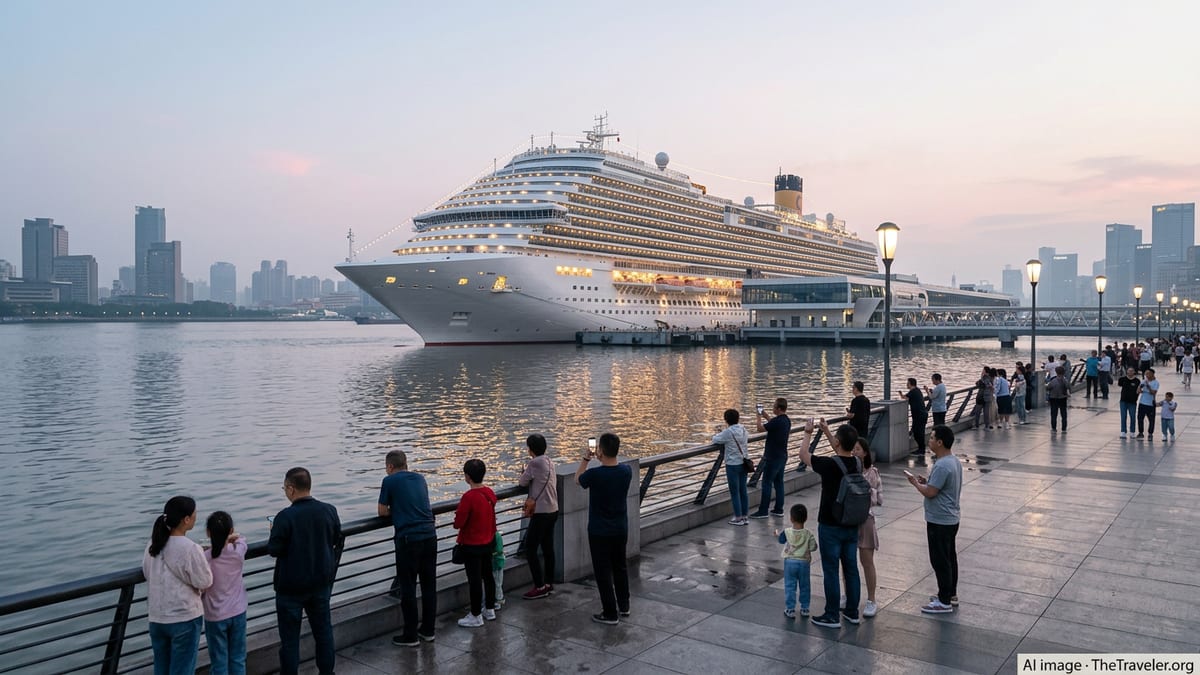
U.S. Raises Advisory Level Over Crime Concerns
Recent updates on the U.S. Department of State’s travel advisory platform show that Jamaica is currently listed at Level 3, the tier that urges travelers to reconsider travel, with crime cited as a primary concern in both major cities and tourism hubs. Publicly available information describes violent crime, including armed robbery, homicide and sexual assault, as a persistent risk that can affect visitors in resort corridors and in areas surrounding cruise terminals.
The advisory notes that incidents have occurred in locations popular with foreign visitors, including parts of Montego Bay and Kingston that are frequently used as gateways for cruise excursions. Reports indicate that local law-enforcement capacity and emergency medical services may not always meet the expectations of U.S. travelers, particularly in remote or heavily congested neighborhoods that attract tour traffic.
The updated language follows a broader pattern of cautionary notices across the Caribbean, but the combination of a Level 3 classification and explicit crime indicators for Jamaica places it among the more closely watched destinations for U.S. travelers. For cruise passengers who may only be ashore for a few hours, the change underscores the importance of understanding local conditions before disembarking.
Key Carnival Port Calls Potentially Affected
Carnival Cruise Line deploys multiple ships on Western Caribbean itineraries that include Jamaican ports such as Montego Bay, Ocho Rios and Falmouth. These stops serve as gateways to beach clubs, river tubing, zipline adventures and cultural tours marketed as highlights of weeklong sailings from Florida and Gulf Coast homeports.
While there is no broad indication that regular itineraries have been suspended as a direct result of the advisory shift, industry coverage and cruise-community discussions suggest that operators are reviewing security arrangements at specific piers and excursion routes. Cruise lines typically work with vetted tour providers and port agents, and adjustments to call times, bus routing or recommended activities may be considered when risk perceptions change.
For now, Jamaica remains open to cruise traffic, and ships continue to call at its main ports. However, travel insurers and risk-analysis firms note that a Level 3 designation can influence traveler sentiment and may prompt some guests to choose ship-based activities or private island calls over independent exploration in port cities.
New Crime Warnings Highlight Tourist Hotspots
In addition to the higher advisory level for Jamaica, recent government and consular notices for other Carnival-accessed destinations in the region, including parts of The Bahamas, draw attention to crime patterns in areas that see heavy cruise traffic. International travel advisories from several countries describe armed robberies, theft and sexual assaults in and around Nassau and Freeport, noting that some incidents have involved cruise visitors or resort guests.
Publicly available guidance points in particular to neighborhoods close to cruise piers, markets and popular urban beaches, where opportunistic crime can increase when several large ships are in port at once. Some foreign ministries advise travelers to exercise a high degree of caution when moving beyond controlled port complexes, to avoid poorly lit side streets and to keep valuables out of sight.
For Jamaica, the U.S. advisory singles out violent crime trends and indicates that certain parishes and sections of Kingston and Montego Bay have elevated risks. Other governments, including the United Kingdom and Australia, also highlight the possibility of sudden security operations, such as temporary states of emergency or special zones, that can alter local movement and create transport delays for visitors on day trips from cruise ships.
What the Advisory Means for U.S. Cruise Travelers
The State Department’s four-tier system ranges from Level 1, advising normal precautions, to Level 4, advising against all travel. A Level 3 advisory does not prohibit travel, and cruise calls may continue, but it does signal that U.S. citizens should weigh whether travel is essential and take additional steps to mitigate risk if they decide to go.
Travel-risk analysts explain that, for cruise passengers, this may translate into a more cautious approach to time ashore. Travelers may choose to book ship-sponsored excursions rather than independent tours, remain within secured port areas, or limit movement to well-established tourist zones during daylight hours. Some cruise forums already reflect a shift in sentiment, with more passengers discussing the option of treating certain ports as "stay on the ship" days when they feel uncertain about conditions on land.
Insurance providers and corporate travel departments also use advisory levels in their internal risk frameworks. A move to Level 3 can affect coverage conditions, pre-trip approvals or recommended security measures for groups and incentive sailings, which in turn can influence how cruise lines package and promote itineraries that feature higher-risk destinations.
How Carnival and Travelers Are Adapting
Carnival Cruise Line has previously shown a willingness to adjust itineraries when geopolitical, health or weather risks escalate in port communities, occasionally substituting one Caribbean destination for another or adding extra sea days. Publicly available statements from cruise operators across the industry indicate that route planning is continually reassessed in light of government advisories, local port conditions and guest feedback.
Travel media and cruise specialists note that immediate wholesale cancellations are uncommon when a destination moves to Level 3, particularly in regions where cruising plays a central role in the local economy. Instead, the emphasis tends to fall on reinforcing security protocols at the pier, updating excursion guidance, and communicating practical safety tips to passengers before arrival.
For travelers booked on upcoming Western Caribbean sailings, the advisory change is prompting closer attention to pre-trip planning. Recommended steps include reviewing the latest country-specific guidance on travel advisory portals, enrolling in consular notification programs, monitoring cruise line emails for any itinerary changes, and considering flexible excursion plans that prioritize well-reviewed operators and group settings.
As the Caribbean enters the second half of the 2026 travel year, Jamaica’s elevated advisory status and similar crime-related cautions in nearby islands serve as a reminder that cruise vacations, while generally safe, still require situational awareness. For Carnival guests, staying informed about evolving advisories is becoming an essential part of planning days in port as ships continue to call at some of the region’s most sought-after yet closely watched destinations.