


More news on this day
Cathay Pacific is set to open Hong Kong’s first direct air link with Central Asia, announcing plans to start three weekly non-stop flights to Almaty in the first quarter of 2027 using Airbus A330-300 aircraft.
Get the latest news straight to your inbox!
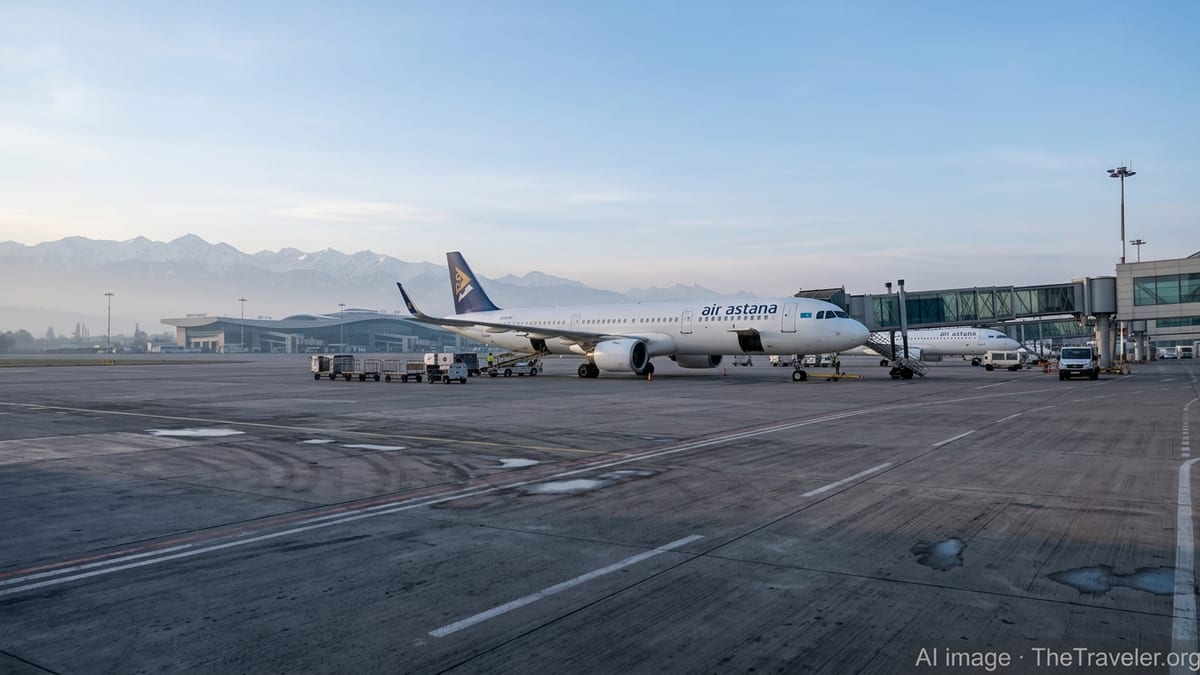
New Non-Stop Route Marks Entry into Central Asia
According to publicly available information from the airline and industry publications, the Hong Kong to Almaty service will represent Cathay Pacific’s first scheduled route into Central Asia. The launch will also restore a direct air corridor between Hong Kong and Kazakhstan’s largest city, which has been without non-stop service since before the pandemic.
The flights are planned as three round trips per week, positioning Hong Kong International Airport once again as a key transfer point between East Asia and the growing markets of Central Asia. Aviation data referenced in recent coverage indicates that the route will be the only non-stop link between Hong Kong and Kazakhstan when it begins operating.
Almaty, widely regarded as Kazakhstan’s commercial and cultural hub, is expected to benefit from improved access to Hong Kong’s financial and logistics ecosystem. For Cathay Pacific, the city becomes a strategic addition that broadens its network beyond traditional European and North American long-haul destinations.
The decision aligns with ongoing efforts in Hong Kong to reinforce its role as a regional “super-connector,” using new aviation links to deepen ties with emerging economies across the Belt and Road region. Observers note that the Almaty launch follows the airline’s earlier expansion to Urumqi, another key gateway on routes toward Central Asia.
Schedule, Aircraft and Onboard Experience
Reports indicate that Cathay Pacific will deploy a widebody Airbus A330-300 on the Almaty route, a type that already forms a core part of the carrier’s regional and medium-haul fleet. The aircraft is typically configured with multiple cabin classes, allowing the airline to serve both corporate travelers and leisure passengers headed to Kazakhstan.
Industry analysis suggests the flight schedule is likely to be timed to feed into Hong Kong’s broader hub wave, giving passengers from markets such as Southeast Asia, Japan and the Chinese mainland one-stop connectivity to Almaty. Likewise, travelers originating in Kazakhstan are expected to gain seamless access to a wide network of destinations across Asia and beyond via Hong Kong.
The use of the A330-300 also gives Cathay Pacific flexibility in matching capacity to a developing market. Fleet planning documents and recent fleet news show that the aircraft continues to play a significant role for the airline on routes where demand is growing but not yet at the scale of its flagship long-haul services.
While final schedule details and exact start date in the first quarter of 2027 have not yet been published, booking patterns on other new Cathay Pacific routes indicate that inventory is typically loaded several months before launch. Travel agencies and frequent flyer communities are already highlighting the forthcoming service as an additional option for reaching Central Asia from East and Southeast Asia.
Strengthening Belt and Road and Trade Links
Kazakhstan is frequently cited in economic reports as Central Asia’s most diversified and developed economy, with major sectors including energy, mining, manufacturing and logistics. Publicly available trade data shows that Kazakhstan is also Hong Kong’s largest trading partner in the region, reflecting a steady rise in goods, services and investment flows.
The new non-stop Hong Kong–Almaty service is being widely interpreted as part of a broader push to enhance connectivity along the Belt and Road corridor. Coverage in regional business media notes that the route will support cargo movements as well as passenger traffic, creating new options for high-value and time-sensitive shipments between East Asia and Central Asia.
Almaty’s role as a logistics gateway and financial center within Kazakhstan dovetails with Hong Kong’s own strengths in finance and professional services. Analysts expect the air link to facilitate more business travel, roadshows and project work related to infrastructure, energy and technology cooperation between the two economies.
At the same time, Hong Kong residents and travelers transiting through the city are being presented with easier access to Central Asia’s tourism offerings, from mountain landscapes and ski resorts near Almaty to cultural sites across the wider region. Travel industry observers predict that the route will cater to a mix of business, visiting friends and relatives, and niche adventure tourism segments.
Tourism and Network Impacts Across the Region
Travel publications covering the announcement highlight the potential boost to Kazakhstan’s tourism sector. Almaty is promoting itself as a year-round destination, combining winter sports with summer hiking, lake excursions and urban culture. The future non-stop link from Hong Kong is expected to feature prominently in marketing campaigns targeting travelers from East and Southeast Asia.
For Hong Kong, the route adds another differentiating element to its aviation hub proposition as carriers in the Gulf and other regional centers vie for connecting traffic between Asia and Europe. Analysts point out that giving travelers a one-stop option via Hong Kong rather than more circuitous routings could shorten journey times between parts of East Asia and Central Asia.
Before the pandemic, passengers traveling between Hong Kong and Kazakhstan often relied on one-stop connections through hubs such as Istanbul, Doha, Dubai or various points in mainland China. With Cathay Pacific’s direct service, the market will gain a home-hub carrier option that integrates closely with Hong Kong’s existing airport infrastructure and ground transport links.
Industry commentary also notes that the Almaty launch may support Hong Kong’s wider strategy to position itself as a staging point for multi-country itineraries across Central Asia. Tour operators are already exploring packages that combine Hong Kong stopovers with onward travel to Kazakhstan and neighboring states.
Broader Significance for Cathay Pacific’s Network Strategy
The move into Central Asia is being interpreted by aviation analysts as a sign of Cathay Pacific’s continued network rebuilding and diversification following the most severe phases of the pandemic. Recent traffic figures show the airline restoring capacity on core long-haul routes while selectively adding new destinations that can feed both passenger and cargo revenue.
By opting for a three-times-weekly schedule at launch, Cathay Pacific appears to be testing demand in a measured way while still offering sufficient frequency for business travelers who value flexibility. If performance is strong, industry watchers suggest the airline could consider adding more frequencies or adjusting aircraft deployment in future seasons.
The Almaty service also complements recent growth in Cathay Pacific and its low-cost sister carrier HK Express to destinations along the Belt and Road, reinforcing Hong Kong’s aspiration to serve as a pivotal aviation gateway for emerging markets. Published network data shows the group already operating hundreds of weekly flights to Belt and Road destinations, and the new Central Asian link fits this broader pattern.
As planning advances toward the first quarter of 2027 start date, attention will turn to final timetable details, partnership arrangements and fare structures. For now, the announcement marks a significant step in reshaping air connectivity between Hong Kong and Central Asia, with Cathay Pacific’s A330-300s set to shoulder a new role in bridging the two regions.