


More news on this day
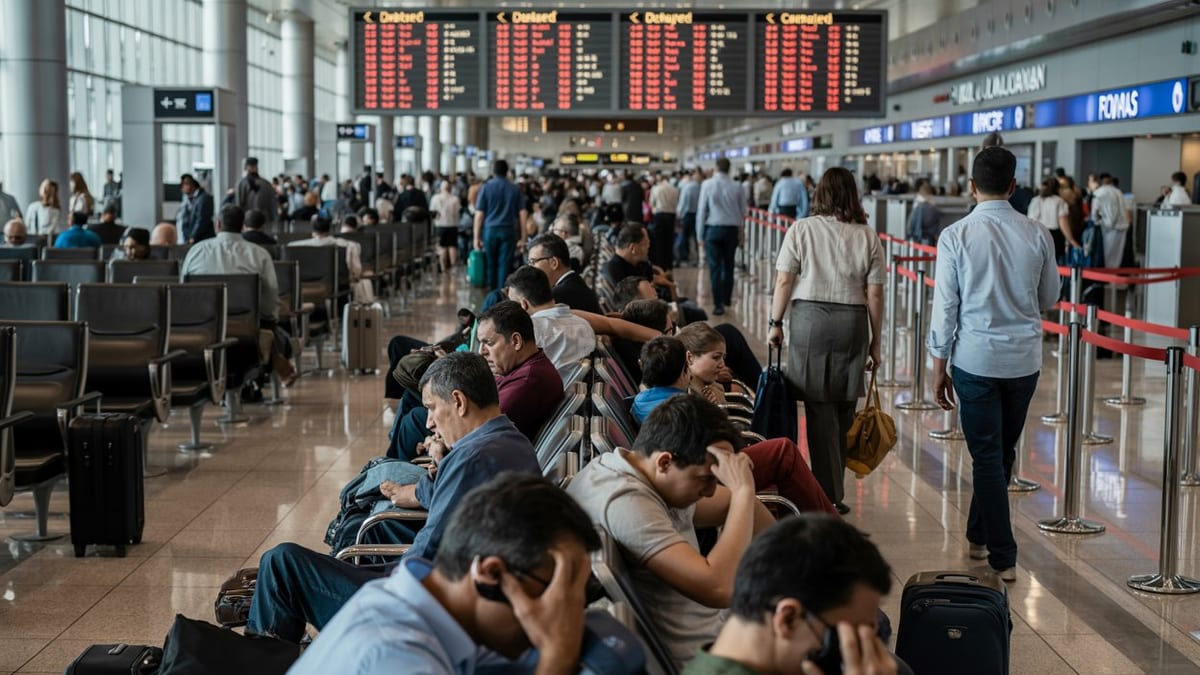
Passengers at Amman’s Queen Alia International Airport faced mounting disruption on July 20 as more than 50 delayed departures and at least five cancellations rippled across routes linking Jordan with the United Arab Emirates, Saudi Arabia, Qatar, Turkey, Romania, India and the United States.
Get the latest news straight to your inbox!
Widespread Delays Hit Regional and Long Haul Routes
Publicly available flight information for Queen Alia International Airport on July 20 shows a sharp uptick in late-running services, with dozens of departures and arrivals posted as delayed. While some flights were postponed by less than an hour, others faced extended waits at the gate, affecting connections across the Middle East, Europe and North America.
The pattern of disruption has been most visible on high-demand regional links connecting Amman with Gulf hubs such as Dubai, Abu Dhabi, Riyadh and Doha, as well as with major Turkish and European transit points. These routes funnel passengers onward to destinations in India and the United States, magnifying the impact of any schedule slippage at Queen Alia International Airport.
Travel industry monitoring reports over recent weeks have already highlighted intermittent delays across several Middle Eastern airports due to a combination of regional tensions, airspace restrictions and tight capacity. The latest wave of late departures and cancellations in Amman appears to reflect those wider pressures, even as Jordan’s main gateway remains operational and open to traffic.
Key Airlines Adjust Schedules Across Jordan and the Gulf
According to published coverage tracking airline operations in Jordan this summer, carriers serving Queen Alia International Airport have repeatedly adjusted schedules in response to shifting regional conditions. Royal Jordanian, the national airline, has already drawn attention for a series of cancellations on routes to Saudi Arabia and Turkey in recent weeks, demonstrating how quickly timetables can change.
Other regional carriers, including operators from the United Arab Emirates, Saudi Arabia and Qatar, continue to serve Amman but are navigating a complex operating environment. Aviation advisories and logistics updates for the Middle East have pointed to periodic routing changes and selective delays affecting flights that cross or skirt sensitive airspace, adding extra flying time or forcing airlines to rebalance aircraft and crew.
These adjustments have a knock-on effect for passengers traveling between Jordan and long haul markets. For many travelers heading to India or the United States, itineraries rely on tightly timed connections via Gulf or Turkish hubs. When a departure from Amman leaves late or a returning flight is rescheduled, missed connections can cascade into rebookings, unplanned layovers and extended stays at Queen Alia International Airport.
Passengers Confront Long Queues and Uncertain Waits
The surge in delays and cancellations has translated into visible strain inside Queen Alia International Airport, particularly at check in counters and transfer desks for affected airlines. As delayed flights stack up on departure boards, passengers have reported longer queues, heavier crowds around customer service points and difficulties in securing clear information about revised departure times.
Families returning from summer holidays, expatriate workers heading back to Gulf cities and students traveling between Jordan and Europe or North America are among those most affected. For travelers with onward journeys to India or the United States, uncertainty over missed connections adds another layer of stress, especially where visas or time sensitive commitments are involved.
Consumer advocates note that while many airlines in the region outline compensation or care policies in cases of extended disruption, awareness among passengers remains uneven. Travelers caught up in the current wave of delays often rely on airport screens and publicly available updates rather than advance notifications, which can leave them reacting in real time at the terminal rather than planning alternative options before they arrive.
Officials Emphasize Open Airspace as Operational Strains Persist
In recent public statements, Jordan’s civil aviation authorities have stressed that the country’s airspace and airports, including Queen Alia International, remain open and operational. Regulators have described air traffic as generally smooth, while acknowledging that airlines may face individual schedule disruptions tied to their own network decisions, fleet availability or evolving regional security assessments.
Industry briefings on the broader Middle East have repeatedly underlined that even when airports stay open, carriers can still be forced into last minute changes. Diversions around constrained air corridors, aircraft redeployments to other hubs and temporary suspensions of specific routes can all translate into the kind of concentrated delays and cluster of cancellations now seen in Amman.
This dynamic helps explain the apparent gap between official assurances of normal operations and the experience of passengers confronting full departure lounges and repeated “delay” notices. While the airport infrastructure may be functioning, airline schedules remain vulnerable to external shocks, particularly on routes linking Jordan with the Gulf, Turkey, Romania, India and transatlantic gateways in the United States.
What Travelers Through Amman Should Expect in the Coming Days
With the summer travel season in full swing and regional conditions still fluid, passengers planning to transit through Queen Alia International Airport in the coming days are likely to face an environment of heightened uncertainty. Travel advisories and aviation bulletins suggest that intermittent disruption could continue, especially on routes that connect via Gulf and Turkish hubs or that operate close to sensitive airspace.
Travel experts recommend that passengers build extra time into itineraries, particularly when connecting through Amman to onward flights in the United Arab Emirates, Saudi Arabia, Qatar, Turkey, Romania, India or the United States. Flexible tickets, comprehensive travel insurance and advance familiarity with an airline’s delay and cancellation policies can help mitigate the risk of extended disruption.
For now, Queen Alia International Airport remains a crucial node in the regional network, even as the current spike in delays and cancellations tests both airline resilience and passenger patience. How quickly operations stabilize will depend not only on local conditions in Jordan, but also on the broader geopolitical and operational landscape shaping air travel across the Middle East and beyond.