


More news on this day
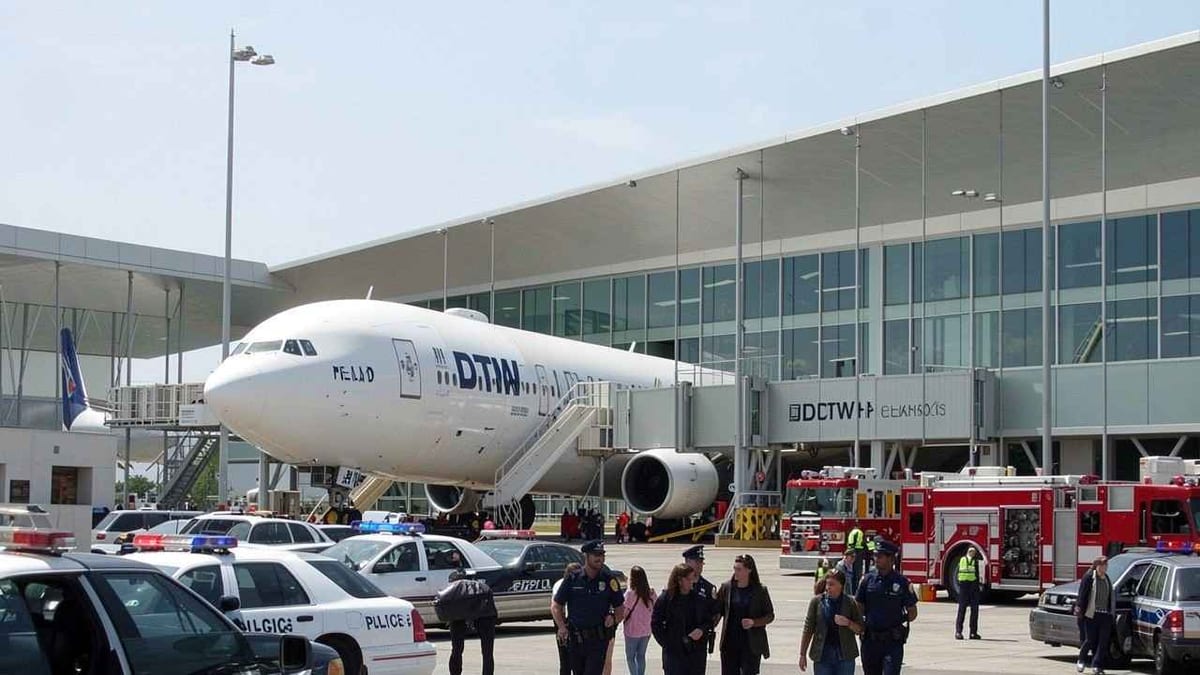
Delta Air Lines passengers traveling from Philadelphia to Seattle on Flight DL2092 faced unexpected disruption when the service diverted to Salt Lake City, turning a routine transcontinental trip into an unplanned overnight detour at one of the carrier’s key hubs.
Get the latest news straight to your inbox!
What Is Known So Far About DL2092’s Diversion
Publicly available flight-tracking data shows Delta Flight DL2092 routinely operates between Philadelphia International Airport and Seattle–Tacoma International Airport as a nonstop service of roughly six hours. On the affected date, however, tracking histories indicate the aircraft did not complete the scheduled transcontinental leg as planned and instead operated a shorter segment between Salt Lake City and Seattle, consistent with a mid-journey diversion and subsequent repositioning.
Data from several tracking platforms list DL2092 movements involving Salt Lake City and Seattle around the same time frame, suggesting that the original Philadelphia–Seattle operation was interrupted and that the flight number continued from Salt Lake City to Seattle after a delay. The timing aligns with a late-night departure from Salt Lake City and an early-morning arrival into Seattle, pointing to an arrival well beyond the original schedule for travelers who began their journey on the East Coast.
As of early July 2026, the DL2092 flight number continues to appear in schedules as a daily Philadelphia–Seattle route, indicating that the diversion is being treated as an isolated operational event rather than a permanent change to the route structure. There is no public indication that the aircraft encountered a safety-critical situation; instead, the pattern is similar to diversions driven by weather, crew-hours limitations, or technical checks that require a stop at a major hub.
Possible Reasons Behind the Route Change
Airline operational data and industry practice suggest several likely explanations for a diversion of this type. Summer flying across the northern United States frequently coincides with convective weather systems, including thunderstorms along the Midwest and Mountain West, which can trigger route changes, holding patterns, and fuel-related decisions that make a diversion the most prudent option. In such situations, airlines often choose a major hub like Salt Lake City where they have maintenance, crew bases, and more extensive passenger-handling capabilities.
Another common factor in diversions is crew duty-time limitations. If earlier delays push a long-haul domestic flight close to maximum allowable crew working hours, rerouting to an intermediate hub may allow the airline to swap crews, perform required checks, and still move passengers toward their final destination, albeit on a delayed basis. Salt Lake City functions as a strategic mountain-region hub, so its appearance in a diverted routing from Philadelphia to Seattle is consistent with these operational patterns.
Mechanical checks or minor technical issues can also trigger precautionary diversions even when there is no immediate threat to safety. In those cases, airlines tend to prioritize an airport where company maintenance resources and spare aircraft are available. While published tracking information does not specify the precise cause of the DL2092 diversion, the combination of an intermediate stop at a hub, a relatively short onward sector to Seattle, and continued operation of the flight number on subsequent days points toward a short-term operational disruption rather than a prolonged technical problem.
How the Diversion Affects Passengers’ Plans
For travelers on DL2092, a diversion to Salt Lake City has several immediate consequences. First, the scheduled arrival window into Seattle shifts significantly, often into the late-night or early-morning hours. This can cause missed connections to onward flights, especially to smaller West Coast cities or international departures that operate less frequently. Passengers with same-day connections may find that their onward flights have already departed by the time they reach Seattle.
An unexpected overnight at a hub like Salt Lake City may also require interim lodging, meal arrangements, and adjustments to ground transportation plans at the final destination. Travelers who had coordinated airport pickups, hotel check-ins, or time-sensitive commitments in the Seattle area can experience substantial knock-on disruption, including added costs if reservations are nonrefundable or if late-night arrivals are cumbersome to manage.
For those whose journey ends in Seattle, the diversion typically means several additional hours in transit, including time on the ground in Salt Lake City while the airline refuels, evaluates the aircraft, or arranges crew. Even when the onward flight segment operates relatively close to schedule from Salt Lake City to Seattle, the total elapsed time between check-in in Philadelphia and arrival in the Pacific Northwest can stretch well beyond the originally planned six hours.
What Impacted Travelers Can Do Next
When a diversion occurs, travelers on flights like DL2092 have a few practical steps available to reduce the disruption. The first is to monitor flight status through the airline’s official channels and widely used flight-tracking platforms, which often update more quickly than airport information screens. These tools typically show whether the onward segment from the diversion point to the final destination is planned to operate under the same flight number or if passengers will be rebooked onto a different service.
Passengers with onward connections in Seattle should review their itineraries as soon as updated schedules appear. Many airlines provide rebooking options within their mobile apps during irregular operations, allowing travelers to select alternative connections or reroute through another hub if space permits. During peak summer periods, however, alternative flights may fill quickly, so acting promptly once options are visible can make a significant difference.
Travelers who incur additional hotel or meal expenses during a diversion should retain receipts and review the carrier’s publicly available policies after travel is completed. While coverage often depends on whether the cause is within the airline’s control or related to weather or air traffic constraints, published information about delay and diversion handling can clarify what forms of reimbursement or credits may be available in specific situations.
Broader Context for Summer Diversions in the U.S.
The disruption on DL2092 fits into a broader pattern of seasonal volatility in U.S. air travel. Summer brings heavy passenger demand, tight aircraft utilization, and a higher likelihood of weather-related disruptions across the country’s busiest air corridors. This combination can amplify the ripple effects from any single delay or diversion, affecting not just one flight but also subsequent rotations of the same aircraft and crews.
Salt Lake City and Seattle both play central roles in domestic and transcontinental networks, serving as key junctions for passengers traveling between the East Coast, the Mountain West, and the Pacific Northwest. As a result, operational decisions that route diverted flights into Salt Lake City can help airlines protect the wider schedule, even if it means longer travel days for specific groups of passengers on a given flight.
For travelers planning upcoming trips on DL2092 or similar long domestic routes, the episode underscores the value of building buffer time into tight connections, especially during peak travel months. While diversions of this nature remain relatively uncommon compared to the overall volume of flights, the experience on this Philadelphia–Seattle service illustrates how a single operational decision can transform a straightforward itinerary into a complex, multi-leg journey routed through a mountain hub.