


More news on this day
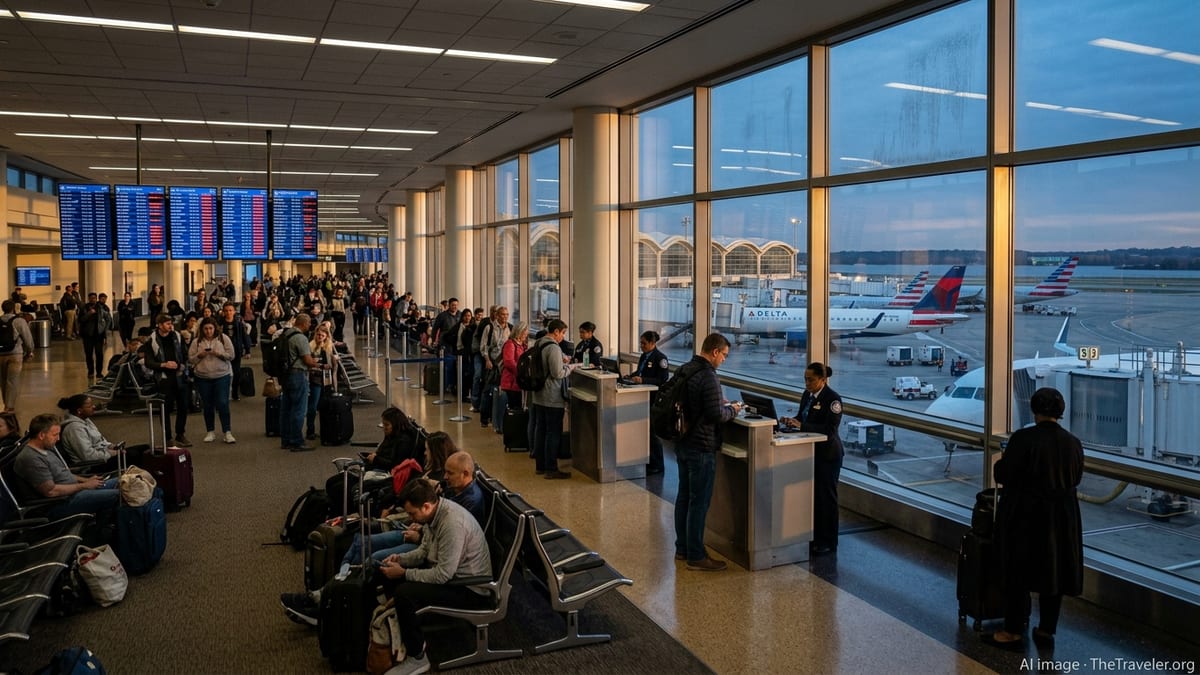
Delta Air Lines flight DAL2612 made an unplanned diversion to McGhee Tyson Airport near Knoxville instead of continuing to its intended arrival in Nashville, drawing attention to how carriers are using regional airports to manage congestion, weather and operational constraints across the busy Southeast air corridor.
Get the latest news straight to your inbox!
Diversion Sends Nashville-Bound Flight To Knoxville
Publicly available flight-tracking data and traveler accounts indicate that DAL2612, operating for Delta Air Lines, was rerouted to McGhee Tyson Airport in Alcoa, just south of Knoxville, rather than reaching Nashville as scheduled. The diversion occurred as the aircraft approached Middle Tennessee, where operational factors such as weather, traffic saturation or ground delays often prompt carriers to seek alternates with more immediate runway and gate availability.
The specific trigger for the diversion has not been detailed in airline statements or regulatory summaries, but the move is consistent with standard procedures when conditions near a destination airport deteriorate or when extended holding patterns begin to affect fuel and crew-time margins. In such cases, dispatch and crew coordination typically favor a nearby facility that can accept the aircraft quickly and provide ground support for passengers.
In this instance, Knoxville’s McGhee Tyson Airport offered a practical alternative within the same broader region as Nashville, while allowing Delta to utilize an airport where it already maintains scheduled service and established ground operations. This combination of geographic proximity and existing airline infrastructure can make TYS a logical choice when flights into Nashville face uncertain arrival times.
Why McGhee Tyson Airport Works As A Diversion Option
McGhee Tyson Airport functions as a small-hub commercial facility serving the Knoxville area, with a mix of mainline and regional flights operated by carriers including Delta. Airport planning and budget documents show steady growth in passenger volumes in recent years and a corresponding expansion of airline activity, including additional frequencies and larger aircraft on key routes. These developments have strengthened TYS as a viable alternate for flights in the central and eastern Tennessee region.
The airport handles a variety of domestic services and supports both civilian and military operations, which has driven investment in runway capacity, apron space and passenger facilities. Reports on passenger traffic trends show that McGhee Tyson has surpassed several regional peers in annual enplanements, indicating the scale of infrastructure and staffing available to handle unexpected arrivals.
McGhee Tyson’s tarmac delay contingency planning, filed with federal regulators and made publicly accessible, notes that the airport may be used by air carriers for diversions and outlines how it would accommodate additional aircraft and passengers during irregular operations. That framework addresses gate access, deplaning procedures and coordination with airlines, which becomes critical when diverted flights arrive with limited advance notice and potentially tight crew duty windows.
Operational Pressures Around Nashville’s Busy Airspace
Nashville International Airport has experienced rapid growth in recent years, driven by tourism, business travel and a significant build-up of service by major carriers and low-cost airlines. Transportation and freight planning documents for Tennessee describe Nashville as a key aviation node in the state’s passenger and cargo network, with dense schedules that can be sensitive to thunderstorms, runway constraints and volume surges at peak times.
Across the United States, research on delay propagation and airport congestion has shown that hubs with rapidly expanding schedules can experience knock-on impacts when weather or minor disruptions occur. These effects can force airlines to make dynamic decisions about rerouting, holding patterns and diversions in order to balance safety, fuel planning and network reliability.
In the corridor linking cities such as Atlanta, Nashville and Knoxville, afternoon and evening convective weather is a recurrent challenge in the summer months. When storm cells align with heavy traffic flows, holding over Nashville may become less practical, and flights may divert to airports like McGhee Tyson that lie outside the most affected airspace while still remaining within reach of passengers’ ground connections back to Middle Tennessee.
What Diversions Mean For Passengers And Airline Networks
For travelers on DAL2612, the diversion to Knoxville likely meant an unexpected arrival city, potential delays in reaching the final destination and the possibility of missed onward connections. Passenger experiences in similar events, documented in travel forums and consumer coverage, suggest that outcomes can vary widely depending on crew duty limits, aircraft positioning needs and the availability of alternative flights or ground transportation.
Once a flight lands at its diversion airport, the airline must determine whether it can refuel and continue to the original destination, reposition passengers to other flights or provide ground transport options. These decisions are influenced by weather forecasts at the original destination, maintenance schedules and crew rest requirements, all of which can constrain the ability to promptly resume normal operations.
From a network planning perspective, using McGhee Tyson as a diversion point reflects how carriers leverage smaller but well-equipped airports to absorb disruptions at larger hubs. By shifting one or more flights away from a constrained airport like Nashville during a busy period, an airline may reduce overall congestion and protect subsequent departures and arrivals from cascading delays.
Regional Airports’ Growing Role In Irregular Operations
The DAL2612 diversion underscores the increasing importance of regional airports in managing the resilience of U.S. air travel. Facilities such as McGhee Tyson, which already sustain substantial scheduled traffic, can serve as pressure valves when major hubs confront sudden capacity limitations or localized weather events.
State-level transportation analyses and airport financial reports point to continued investment in runway surfaces, taxiway layouts and passenger amenities at regional fields, partly in recognition of their role during irregular operations. Even when not marketed as primary alternatives for travelers, these airports help maintain continuity of service by giving airlines more options in real time.
As passenger numbers grow across Tennessee and neighboring states, diversions like that of DAL2612 may become more visible to travelers, particularly during peak travel seasons and storm-prone periods. For airlines, maintaining operational flexibility through a network of capable secondary airports remains a central strategy for balancing safety, reliability and customer expectations when flights do not go exactly as planned.