


More news on this day
Passengers on Delta Air Lines Flight DL2992 from Miami to Raleigh Durham faced unexpected disruption when the aircraft diverted to Greensboro, prompting schedule changes and renewed scrutiny of summer operational pressures across Southeast routes.
Get the latest news straight to your inbox!
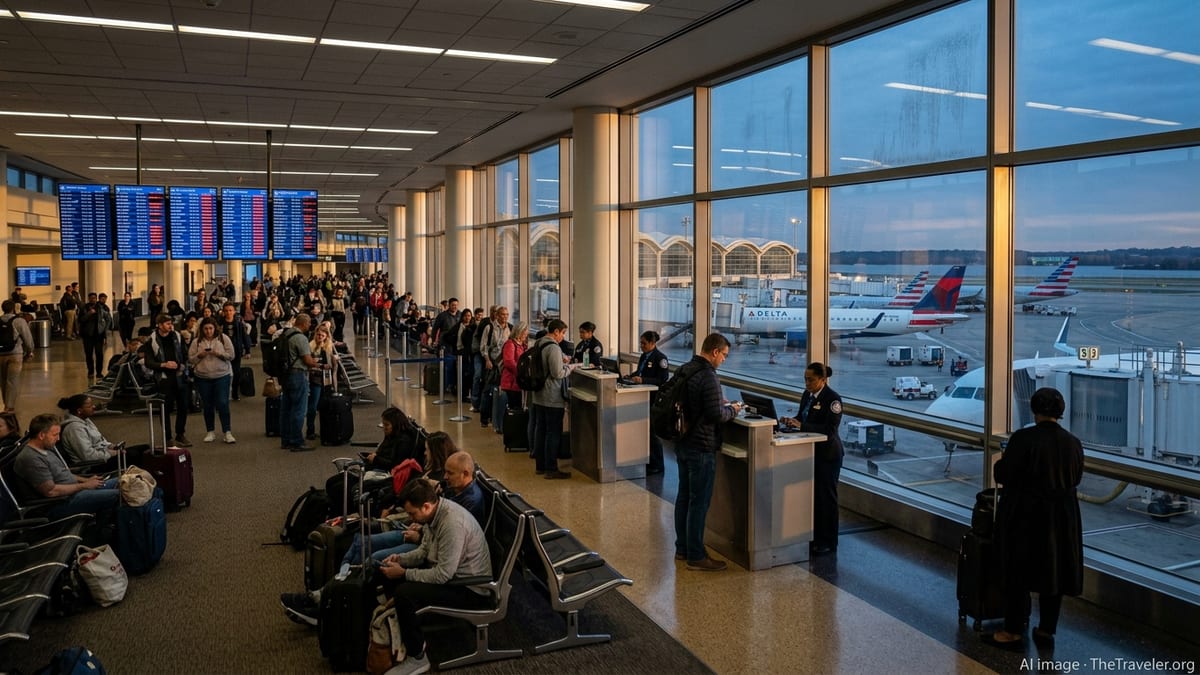
Unscheduled Diversion Interrupts Miami to Raleigh Durham Service
Publicly available flight tracking data indicates that Delta Flight DL2992, normally operating between Miami International Airport and Raleigh Durham International Airport, diverted to Greensboro rather than continuing to its intended destination. The aircraft, listed in Delta’s domestic schedules as an evening service on the Miami to Raleigh Durham corridor, made the unscheduled stop at Piedmont Triad International Airport, which serves the Greensboro and wider Triad region of North Carolina.
The diversion occurred during a period of active summer weather and high traffic volumes across the southeastern United States, a combination that frequently contributes to route disruptions. While a precise cause for this specific diversion had not been formally detailed at the time of writing, patterns on comparable routes in recent weeks point to a mix of thunderstorms, air traffic flow constraints, and downstream crew scheduling limitations as common triggers.
Passengers on board typically experience such events as extended flight times, time on the ground at the diversion airport, and later arrival at their booked destination, either by onward flight or alternate transport arranged at their own discretion. For many travelers, particularly those with tight connections or evening arrivals, a diversion can ripple into missed meetings, lost hotel nights, and reworked ground plans.
Greensboro’s Piedmont Triad Airport as an Alternate Field
Piedmont Triad International Airport near Greensboro often functions as a practical alternate for flights operating into or over central and eastern North Carolina. The airport’s runway configuration and relatively less congested airspace can make it an attractive option for carriers seeking a quick, safe place to land when weather or operational issues affect other regional hubs.
Historical operational records and aviation incident summaries show that the facility has received diversions on numerous occasions over the decades for reasons ranging from mechanical inspections to weather and air traffic control constraints at other airports in the region. Its location between Charlotte and Raleigh Durham places it within range for many east coast and southeastern routes requiring a mid journey adjustment.
While Greensboro is not a primary hub for Delta, large carriers regularly use non hub airports as alternates when conditions deteriorate at busier fields. Once on the ground, aircraft may wait for improving weather, undergo technical checks if needed, refuel, and then either continue on to the original destination or reposition to another airport that better supports the airline’s wider schedule.
Weather, Airspace Congestion and Crew Limits Under Scrutiny
Recent travel seasons across the United States have highlighted how quickly localized storms and congested airspace can cascade into diversions and extended delays. Industry discussions and traveler reports from this summer point to repeated rerouting and holding patterns around major southeastern airports when storm cells linger near arrival and departure corridors.
In addition to weather and traffic flow programs managed by air traffic services, crew duty time regulations are a critical factor. Flight and cabin crews must remain within strict time limits, and diversions can push scheduled operations close to those thresholds. If continued flight to the original destination would risk exceeding allowable duty time, carriers may elect to terminate a segment early or modify routings to keep crews in compliance.
Public explanatory materials from airlines describe diversions in broad categories that include severe weather in the vicinity of the destination, airport closures, runway or taxiway disruptions, medical situations on board, and mechanical checks that cannot be deferred. Any one of these, or a combination of several, can send a flight to an alternate airport such as Greensboro even when conditions seem relatively calm to travelers at the final destination.
Impact on Travelers and Ongoing Recovery Efforts
For passengers on Flight DL2992, the diversion to Greensboro likely introduced uncertainty about onward connections, ground transportation, and overnight plans. Standard practice following diversions varies by carrier and circumstance, and travelers often consult airline apps and customer service channels to understand rebooking options, same day changes, and eligibility for meal or accommodation support.
Recent accounts from travelers on diverted flights across multiple airlines describe a mix of outcomes, from relatively quick returns to the original destination after refueling to multi hour waits and eventual bussing or self arranged drives to complete the final leg. The experience often depends on the time of day, crew availability, the presence of open gates at both the diversion and destination airports, and the severity of the underlying disruption.
Operational recovery typically involves more than simply getting one aircraft back on course. Airlines balance aircraft positioning for upcoming departures, crew assignments for subsequent rotations, and network wide constraints that can emerge when storms and congestion affect multiple cities. A diversion such as that of Flight DL2992 fits into a larger puzzle in which each decision can influence dozens of later flights.
What Travelers Can Do When Flights Divert
The diversion of a regularly scheduled flight like DL2992 serves as another reminder for travelers to build flexibility into their plans when flying during peak storm seasons. Many carriers advise passengers to monitor their flight status closely on day of travel, sign up for alerts, and consider earlier departures when itineraries involve critical same day commitments.
Travel planning resources often recommend allowing additional connection time in regions prone to summer thunderstorms, particularly for late day flights that may be more vulnerable to the accumulated effects of earlier delays. Flexible tickets, travel insurance policies that explicitly address weather related disruptions, and familiarity with alternate airports in a given region can also help travelers respond more effectively when plans change.
While diversions remain relatively rare compared with the total number of flights operating each day, events such as the unscheduled arrival of Delta Flight DL2992 in Greensboro highlight the complex interplay between safety, regulations, weather, and operational realities that shape modern air travel. For passengers, understanding these dynamics can ease some of the frustration when a direct journey suddenly includes an unexpected stop.