


More news on this day
Delta Air Lines flight DL528 from Los Angeles to Atlanta diverted to Chattanooga Metropolitan Airport after operational disruptions around Hartsfield Jackson Atlanta International Airport, briefly turning the regional Tennessee facility into an unplanned arrival point for transcontinental travelers.
Get the latest news straight to your inbox!
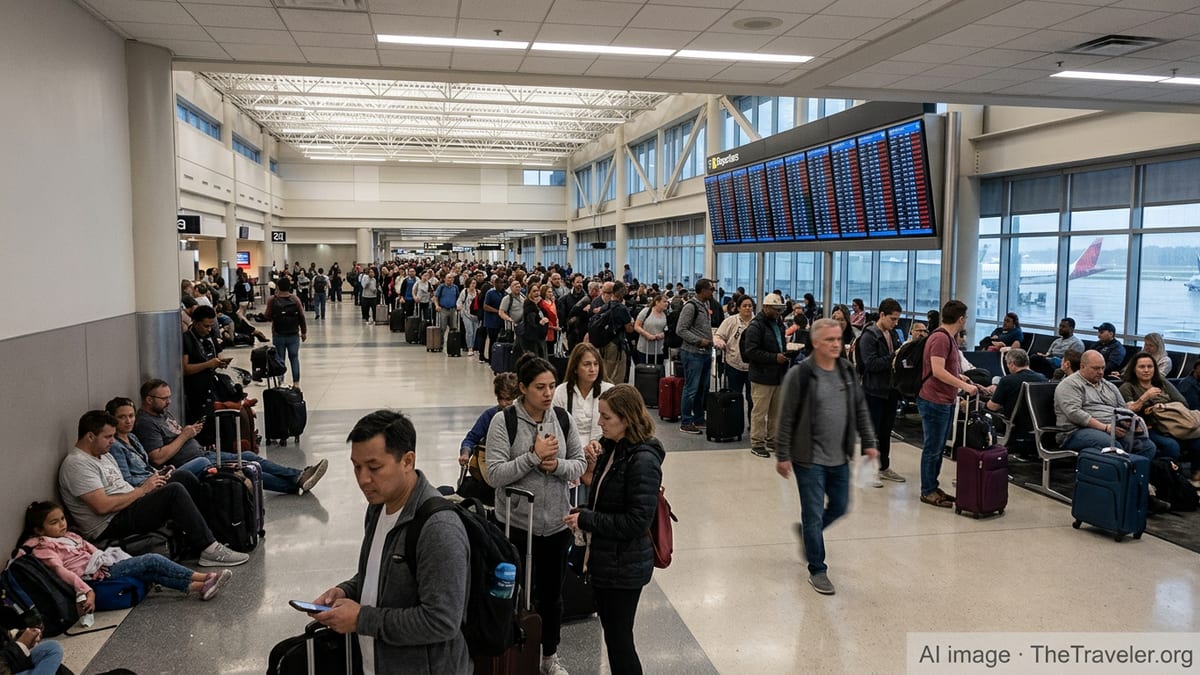
Transcontinental Service Diverted to Regional Gateway
Publicly available flight tracking data shows that flight DL528, a regularly scheduled Delta service from Los Angeles International Airport to Atlanta, departed California on the evening of July 18, 2026, and did not continue directly to its planned destination. Instead, the aircraft diverted to Chattanooga Metropolitan Airport, where it landed before repositioning onward to Atlanta as a separate short sector in the early hours of July 19.
Flight history records indicate that DL528 typically operates as a four hour evening service into Atlanta, connecting West Coast passengers into one of Delta’s busiest hubs. On July 18, the aircraft’s track ended at Chattanooga, around 100 miles northwest of Atlanta, with the onward flight to Hartsfield Jackson shown as a distinct Chattanooga to Atlanta leg departing after midnight.
While specific operational details behind the diversion have not been formally detailed in public statements, the timing coincided with wider disruption and weather related advisories affecting parts of the eastern United States. Separate Delta travel alerts in mid July referenced inclement conditions and urged passengers to monitor flight status closely, reflecting a period of unstable operations across the network.
For passengers on board DL528, the unscheduled stop at Chattanooga turned a direct coast to hub journey into an unexpected two stage itinerary, underscoring how quickly routing can change when conditions deteriorate around a major airport such as Atlanta.
Chattanooga’s Emerging Role as an Alternate for Atlanta
The diversion of DL528 is consistent with a pattern in which Chattanooga has acted as an alternate airport when traffic at Atlanta experiences weather or capacity constraints. The city’s Metropolitan Airport, also known as Lovell Field, sits less than a half hour’s flying time from Hartsfield Jackson and maintains regular Delta connection service into Atlanta, making it a practical diversion point when conditions force flights away from the hub.
Air service data for Chattanooga lists multiple daily Delta branded flights to Atlanta, along with links to other major hubs. These existing operations help ensure that ground handling, gate space and crew support are available for diverted aircraft, even when they originate far from Tennessee.
Anecdotal reports from recent months describe series of diversions into Chattanooga during periods of strong thunderstorms around Atlanta, with multiple mainline and regional jets temporarily parking on the ramp while crews awaited clearance to continue. The DL528 event fits into that broader picture of Chattanooga absorbing spillover traffic when the region’s primary hub is constrained.
Although the airport is much smaller than Atlanta’s, its combination of a capable runway, airline presence and relative proximity has made it a recurring part of contingency planning for flights operating into the southeastern United States’ busiest hub.
Operational Pressures and the Mechanics of Diversion Decisions
Industry practice and regulatory guidance show that diversion decisions are typically driven by a combination of weather, air traffic flow programs, runway availability and fuel considerations. When holding patterns around a destination such as Atlanta become extended or ground stops are implemented, crews may elect, or be instructed, to divert to a nearby facility with appropriate infrastructure rather than continue to orbit and consume fuel.
Federal aviation advisories from recent years outline how diversion recovery plans are put in place during large scale disruptions. These plans prioritize moving aircraft to surrounding airports that can provide fuel, parking stands and passenger handling, then sequencing them back into the constrained hub once conditions improve.
Delta operates one of the largest domestic networks in the United States, and research into flight patterns has shown that densely scheduled hubs can be particularly sensitive to extreme weather. Academic work examining hub operations has highlighted how even moderate storms can cascade into delays and diversions when an airport is operating near capacity throughout the day.
Within that framework, the decision for DL528 to land at Chattanooga rather than continue toward Atlanta aligns with established risk management practices in commercial aviation, swapping route efficiency for a controlled arrival at a nearby, less congested field.
Passenger Experience and Rebooking After an Unplanned Stop
For travelers, a diversion often means extended travel time, missed connections and a degree of uncertainty while new plans are arranged. Public discussions by passengers on other recent diversions into Chattanooga and regional airports describe long waits on board or in terminal areas while flight crews coordinate fueling, crew duty limits and onward slots back into major hubs.
Airlines generally handle such events by either completing the journey with the same aircraft, as occurred when DL528 continued from Chattanooga to Atlanta, or by deplaning passengers and rebooking them onto later flights. Carrier travel advisories frequently encourage customers to use mobile applications and online tools to track changing departure times and to secure alternative routings when weather disruptions are forecast.
Although diversions can be frustrating, the DL528 case illustrates how a relatively small airport can provide a controlled and orderly environment for passengers during irregular operations. Facilities at Chattanooga, including jet bridge access and a compact terminal layout, help mitigate the disruption compared with diversions to airfields with limited commercial infrastructure.
For some travelers, the experience becomes an unexpected glimpse of a city they might otherwise never visit, even if only from the terminal windows while crews prepare the aircraft for its final short hop into Atlanta.
Chattanooga Airport’s Position in the Regional Air Network
Chattanooga Metropolitan Airport continues to evolve from a regional facility into a more prominent node within the southeastern air network. Recent information from the airport and aviation industry sources points to terminal expansion efforts and a focus on attracting additional routes, positioning the field to handle higher passenger volumes in the years ahead.
The airport already offers nonstop service to several major U.S. cities and functions as a spoke for multiple carriers, including Delta, that link the region into national and international route systems. Its history as an alternate and diversion field reflects both its geographic location along key north south and east west corridors and its growing operational capabilities.
Events such as the DL528 diversion highlight how secondary airports can play an outsized role during moments of stress on the wider aviation system. By absorbing flights that cannot immediately reach their primary destinations, airports like Chattanooga help maintain safety margins while supporting recovery once conditions stabilize.
As weather related disruptions and high traffic days continue to challenge large hubs, the experience of DL528’s diversion to Chattanooga underscores the importance of resilient regional airports in keeping passengers and aircraft moving across the national airspace system.