


More news on this day
Passengers on Delta Air Lines flight DL938 from Los Angeles to New York experienced an unexpected detour when the transcontinental service diverted to Minneapolis, extending travel times and prompting same-day rebooking efforts for many travelers.
Get the latest news straight to your inbox!
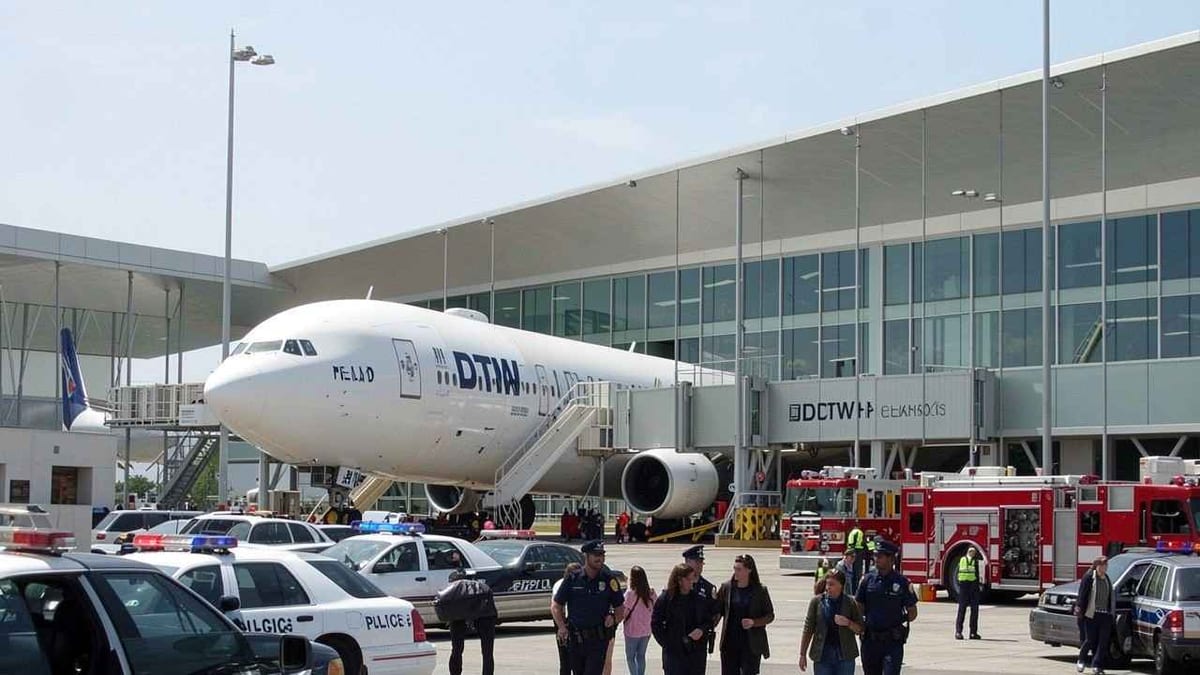
Transcontinental Service Makes Unscheduled Stop
Delta flight DL938 was operating a regularly scheduled service from Los Angeles International Airport to New York when it diverted midjourney to Minneapolis–St. Paul International Airport. Publicly available flight-tracking information shows the aircraft changed course while en route across the central United States, landing in Minnesota instead of continuing to the New York area as planned.
The diversion turned a routine coast-to-coast journey into a multi-stage trip for passengers, many of whom faced extended travel times, missed connections and late-night arrivals into the New York region. The flight eventually continued on a revised schedule, with customers rebooked on later services toward their final destinations.
Early reports circulating on aviation tracking platforms and social media highlighted the change of course in near real time, as users noticed the wide-body jet turning north toward Minneapolis. The unscheduled landing quickly drew attention from frequent flyers familiar with Delta’s large hub operations at Minneapolis–St. Paul.
Operational Factors Behind Minneapolis Diversions
While specific technical or operational details for DL938 were not immediately available from official channels, industry practice and recent patterns on similar routes provide context for why Minneapolis is a frequent choice for diversions. Delta maintains a major hub at Minneapolis–St. Paul, with extensive maintenance capabilities, spare aircraft and established crew bases that can help limit downstream delays when a flight experiences a disruption.
In many disruption scenarios, airlines favor hub airports where they can more easily access engineering support, reposition crews and provide onward options for passengers. Minneapolis often functions as such a strategic point in Delta’s network, particularly for transcontinental and international flights crossing the northern United States.
Recent diversions involving other Delta services have followed a similar logic, with flights rerouted into large hubs where aircraft can be inspected, minor issues resolved, or schedules reset. In those cases, passengers have been accommodated on later departures after the airline adjusted aircraft and crew availability.
Impact on Passengers and Rebooking Efforts
The diversion of DL938 meant that travelers bound for New York had to deplane in Minneapolis and await updated arrangements. According to publicly shared accounts from passengers on comparable diversions, the process commonly includes a combination of same-day rebooking on subsequent flights, overnight hotel arrangements when necessary, and meal or transport vouchers depending on timing and seat availability.
Customer experiences in these situations can vary widely. Some travelers are able to secure seats on the next available departure to their intended airport, while others may be routed through alternate New York–area airports or even nearby cities, then connected onward by ground transportation. For those with tight onward itineraries, such as international connections or time-sensitive meetings, even a relatively short delay at the diversion point can have significant ripple effects.
Digital tools and mobile notifications now play an increasingly central role in managing these events. Many passengers begin receiving rebooking options through airline apps or text messages shortly after a diversion is confirmed, allowing them to review alternate flights and, in some cases, make self-service changes without waiting in airport lines.
Wider Context of Flight Diversions on U.S. Routes
Flight diversions remain a relatively rare but persistent part of commercial aviation across the United States. Common triggers include weather systems along the flight path, air traffic congestion near major hubs, medical situations on board, and technical issues that require on-the-ground assessment. Transcontinental routes, such as those linking Los Angeles with New York, are particularly exposed to changing weather and operational constraints over a broad swath of the country.
A review of recent U.S. flight operations shows that airlines increasingly rely on their largest hubs to absorb these irregular operations. Routing a disrupted flight into a hub such as Minneapolis can help consolidate passengers onto multiple subsequent services, rather than leaving them at smaller airports with fewer onward options. This approach can reduce total delays across the network, even if it adds an unplanned leg to individual itineraries.
For travelers, the DL938 diversion underscores the importance of monitoring flight-status tools, allowing additional buffer time for critical connections, and being prepared for itinerary changes on longer routes. While most flights operate as scheduled, diversions such as this one highlight how rapidly conditions can change in modern air travel, and how hub airports like Minneapolis function as key pressure valves in airline networks.