


More news on this day
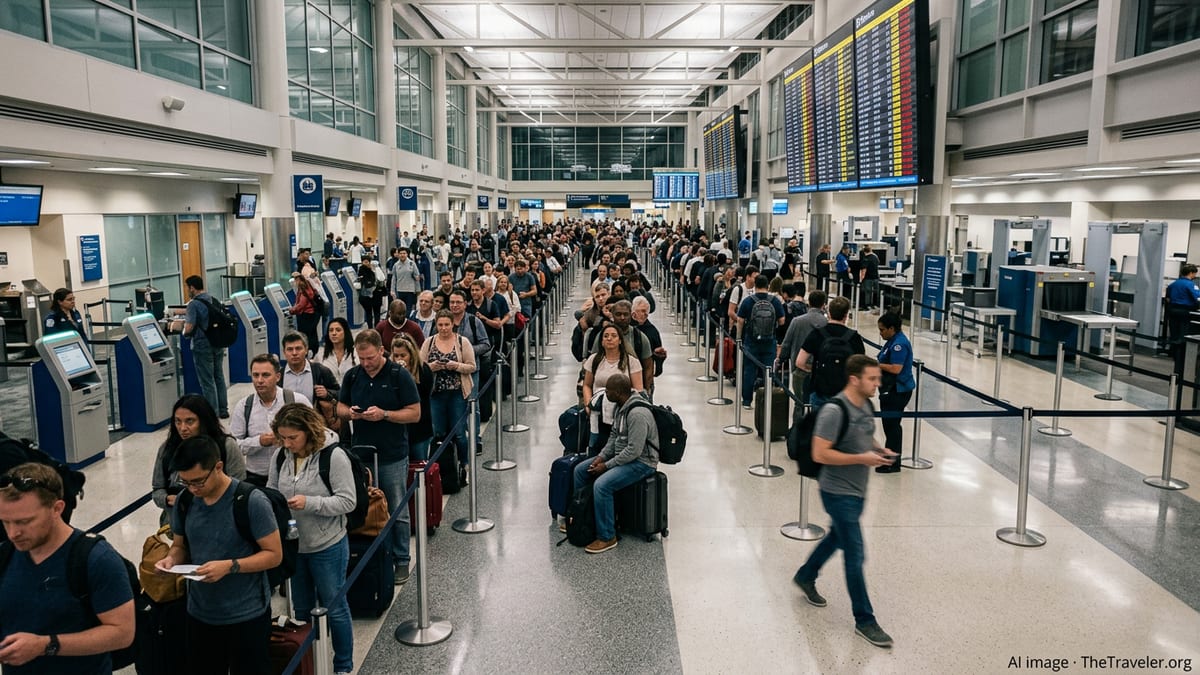
Travelers at Dallas Fort Worth International Airport faced cascading disruption this week as large clusters of Envoy Air and Air Canada cancellations triggered widespread knock on delays across North America, Europe and Asia, snarling connections at major hubs from London and Frankfurt to Tokyo.
Get the latest news straight to your inbox!
Operational Strains Converge at a Key American Hub
Dallas Fort Worth International Airport functions as one of the most tightly scheduled connecting points in the United States, with American Airlines and its regional affiliate Envoy Air operating dense banks of arrivals and departures. Publicly available tracking data and schedule references indicate that when multiple regional waves are thinned by cancellations or extended delays, the impact can rapidly spill beyond Texas, affecting onward services across the domestic and international network.
Regional operators such as Envoy Air link dozens of medium sized cities into the long haul system. When these feeder flights are canceled or delayed, passengers miss connections, aircraft and crews fall out of position and subsequent legs are disrupted. Consumer focused disruption trackers show that even a relatively small proportion of affected flights at a large hub can translate into hundreds or thousands of passengers needing rerouting, hotel rooms and rebooking over several days.
Recent U.S. airport performance dashboards highlight how surges of delay at a single mega hub can coincide with weather limitations, air traffic control constraints or scheduling bottlenecks, sharply increasing the risk of rolling disruption. In this case, concentrated cancellations on regional routes operated for mainline carriers at Dallas Fort Worth contributed to a backlog that radiated outward along key long haul corridors.
Envoy Air Cancellations Undercut American’s Domestic Feed
Envoy Air, which operates regional flights on behalf of American Airlines, plays a central role in moving passengers into and out of Dallas Fort Worth. When Envoy trims rotations or cancels multiple departures in the same bank, mainline flights may depart with substantial numbers of unfilled seats while stranded travelers attempt to rebook on later services. Operations analysts note that this also deprives long haul flights of their planned inbound feed, reducing flexibility when irregular operations strike.
Reports drawing on live departure boards and passenger accounts point to clusters of Envoy operated flights at Dallas Fort Worth being listed as canceled or significantly delayed within narrow time windows, particularly during peak connection banks. Once that happens, onward services to major U.S. gateways and transatlantic departure points become more vulnerable to missed connections and last minute seat reassignments.
Because regional fleets are often scheduled as tightly as the mainline network, aircraft and crews affected by one disruption can struggle to return to their planned sequence of flights. Aviation network observers emphasize that this kind of operational tangle can take a day or more to unwind, especially when aircraft are required for overnight positioning to support early morning departures the following day.
Air Canada Disruptions Add Cross Border Volatility
At the same time, Air Canada has been contending with its own pockets of disruption at major Canadian hubs. Recent coverage highlights days in early June when the carrier recorded clusters of cancellations and severe delays at Toronto Pearson, Montreal Trudeau and Vancouver International, with knock on effects across its network. These localized breakdowns intersect with existing schedule adjustments, including suspended routes and frequency reductions implemented to manage costs and demand.
Travel reports and passenger tracking platforms note that when Air Canada experiences disruption in Canada, the consequences can be felt on transborder and transatlantic services, including those connecting through U.S. hubs such as Dallas Fort Worth. If an inbound Air Canada or codeshare partner flight is delayed or pulled from the schedule, travelers relying on through tickets onto American operated services may be rebooked at short notice, intensifying pressure on already constrained seat availability.
Industry facing summaries of summer 2026 capacity changes further indicate that some airlines are proactively trimming flights on marginal or high cost routes, including links between North America and Europe. While these schedule cuts are planned rather than sudden cancellations on the day of travel, they reduce the margin for error when irregular operations strike, narrowing the pool of alternative routings available for disrupted passengers.
Ripple Effects in London, Tokyo and Frankfurt
The disruption centered on Dallas Fort Worth is coinciding with a period of heightened strain at several global hubs. Recent European travel reporting describes heavy waves of delays and cancellations at Frankfurt, where Lufthansa and partner airlines have adjusted summer timetables and cut certain routes while also managing periodic congestion and staffing constraints. When Frankfurt experiences a surge of late running arrivals, follow on flights to and from North America, the Middle East and Asia can be affected for hours.
In London, ongoing schedule reshaping by major carriers, combined with intermittent local weather and air traffic limitations, has meant that even modest upstream delays from North American feeds can cascade into missed slots and rolling knock on disruption. Observers tracking airport operations note that hubs such as Heathrow and Gatwick are particularly sensitive to late arriving widebody aircraft that are scheduled for rapid turnarounds onto popular transatlantic routes.
Tokyo and other major Asian gateways are also feeling the indirect impact when long haul aircraft and crews arrive late from North America or Europe. Airlines in the transpacific market continue to fine tune their post pandemic schedules, and a single late arrival can upset carefully balanced rotations operating through Tokyo to secondary destinations. Public timetable adjustments and summer schedule communications point to carriers seeking to build in slightly longer turn times, but these buffers are frequently consumed during periods of intense disruption.
What Travelers Can Expect in the Coming Days
Travel data platforms and airport specific trackers suggest that the current wave of disruption at Dallas Fort Worth and connected hubs may not resolve immediately. When aircraft and crews are spread across multiple continents, it can take several operating days for networks to return to normal patterns, particularly if additional weather or air traffic control restrictions appear in the interim.
Consumer rights organizations and advisory sites continue to stress that passengers affected by cancellations or significant delays should familiarize themselves with applicable regulations in each jurisdiction. In the United States, refund and rebooking obligations differ from the compensation rules in Canada and from the more prescriptive frameworks in the European Union, where regulations such as EU261 can apply on flights to or from airports like London and Frankfurt.
Public guidance from airlines and airports consistently encourages travelers to monitor their flight status before leaving for the airport, make full use of mobile apps for rebooking where available and keep records of additional expenses incurred during extended disruptions. With regional affiliates such as Envoy Air and network carriers like Air Canada operating at the center of the latest turbulence, travelers connecting through Dallas Fort Worth and other global hubs in the coming days are likely to face continued schedule volatility and should prepare for longer journeys and last minute changes.