


More news on this day
Major cruise brands are rapidly transforming their ships into full-fledged entertainment destinations, as Disney Cruise Line and Norwegian Cruise Line unveil ever more ambitious productions, themed experiences and character-driven attractions designed to keep guests onboard as engaged as a day in a theme park.
Get the latest news straight to your inbox!
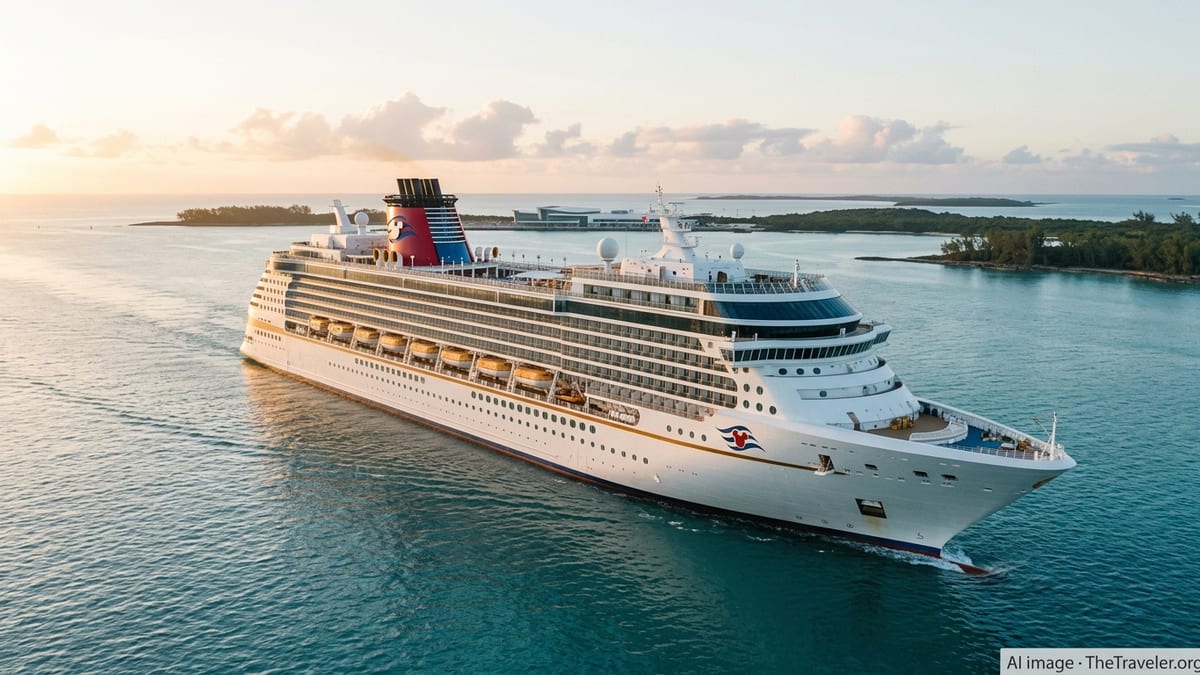
Disney Expands Story-Driven Ships With New Heroes and Villains
Disney Cruise Line is leaning deeper into its storytelling playbook, rolling out ships and onboard experiences that mirror the scale and ambition of its theme parks. Newbuilds such as Disney Treasure and Disney Destiny are being framed around specific narrative concepts, with Disney describing Destiny as a heroes-and-villains ship that layers Marvel, Pixar and classic animation across lounges, theatrical shows and family activities.
According to published information from The Walt Disney Company, Destiny will feature spaces inspired by scheming antagonists and fan-favorite heroes, while Disney Treasure focuses on adventure-driven franchises and will offer experiences such as Worlds of Marvel dining and a new Guardians of the Galaxy themed storyline. These ships extend a model Disney already tested on Disney Wish, where rotational dining includes Arendelle: A Frozen Dining Adventure alongside Worlds of Marvel, combining live performance, character appearances and synchronized effects during dinner service.
Corporate reports and investor materials highlight that these ships are not only adding capacity but are also central to Disney’s broader “experiences” strategy, which treats vessels as moving extensions of its intellectual property portfolio. The emphasis is on turning time at sea into a serialized show, with different venues and activities weaving together familiar characters, music and visuals so that guests encounter Disney narratives in nearly every corner of the ship.
Observers of the cruise sector note that this approach allows Disney to differentiate its product in a crowded family market, where many brands now offer water coasters, ropes courses and large-scale shows. By contrast, Disney positions entire ships around cohesive themes, then ties them back to recognizable franchises that can be marketed across streaming, retail, parks and now the high seas.
Marvel, Pixar and Deadpool Signal Higher-Intensity IP at Sea
The latest slate of entertainment on Disney ships shows how quickly cruise experiences are moving from classic character meet-and-greets to full-scale multimedia productions. Marvel Day at Sea and Pixar Day at Sea, which combine deck shows, film screenings, costumed characters and themed menus, are returning on select itineraries, creating what Disney markets as limited-time event cruises aimed at fans of specific franchises.
Disney is also using its new Asia-based ship Disney Adventure to test more adventurous offerings. Details released in August 2024 describe plans for Marvel Landing, a dedicated zone on the ship with multiple attractions and a stage show where characters such as Deadpool join a lineup of heroes and villains. The company’s parks blog notes that Deadpool’s arrival on Disney Adventure will mark the character’s first appearance on Disney Cruise Line, a move that underscores how cruise ships are becoming experimental spaces for franchise integration.
Beyond individual characters, Disney’s entertainment mix at sea includes experiences such as Avengers: Quantum Encounter, a dining show originally announced for Disney Wish that combines table-service with an in-universe storyline and custom film content. On other ships, guests encounter Frozen musicals, interactive youth spaces themed to Star Wars and Marvel Super Hero Academy training sessions for children, all of which are designed to keep cabins, theaters and kids’ clubs filled throughout the voyage.
Industry analysts point out that these offerings are part of a wider trend in which entertainment is no longer confined to the main theater. Instead, it is dispersed through restaurants, lounges and even pool decks, encouraging guests to spend more time and money onboard while delivering the kind of franchise immersion that theme-park visitors increasingly expect.
Norwegian Cruise Line Bets on Broadway and Immersive Clubs
Norwegian Cruise Line is pursuing a parallel strategy focused on live theater and nightlife, especially across its Prima-class ships. Publicly available information on Norwegian Viva highlights Beetlejuice the Musical, a licensed production adapted from the Broadway show, as the headline evening entertainment in a theater engineered to double as a late-night club. The Viva Theater & Club uses a multi-story video wall, advanced lighting and transformable seating to shift from a proscenium setup to a standing-room concert environment.
This approach allows Norwegian to promote the Broadway brand while also maximizing the use of a single venue, running musical theater early in the evening and then converting the space into events such as Ocean Music Fest, a multi-artist live music concept. Marketing materials emphasize that this flexibility turns the theater into a core social hub, positioning the ship as a nightlife destination as much as a traditional cruise vessel.
Norwegian has a history of licensing well-known titles, from Rock of Ages to The Donna Summer Musical, and recent coverage of its entertainment strategy notes that the company has been refining its portfolio to focus on a smaller number of high-impact shows. On Viva, Beetlejuice sits alongside original productions and themed music experiences designed to appeal to adults and multigenerational groups, differentiating Norwegian from the strongly family-focused Disney product.
For cruise travelers, this means the line between land-based and sea-based entertainment is continuing to blur. Guests now routinely compare shipboard shows to West End and Broadway standards, and brands such as Norwegian are under pressure to deliver production values, casting and staging that can stand next to the original theater experiences they evoke.
Ships as Integrated Entertainment Platforms, Not Just Transport
The evolution of both Disney and Norwegian offerings reflects a broader shift in how cruise companies design and monetize their hardware. Ships are increasingly conceived as integrated entertainment platforms, with layout, technology and programming planned around a mix of shows, dining and interactive zones that showcase recognizable intellectual property or licensed brands.
Disney’s investor presentations frame its latest vessels as venues where experiences such as Arendelle: A Frozen Dining Adventure, Marvel Super Hero Academy and Star Wars themed lounges can coexist in a single sailing, giving families multiple entry points into favorite franchises. Similarly, Norwegian’s Prima-class design centers the theater and nightclub infrastructure, indicating that headline shows and late-night entertainment are core to the brand’s value proposition rather than add-ons.
Analysts tracking the sector suggest this model is a response to rising construction and operating costs, as well as shifting consumer expectations. Instead of treating entertainment as a single nightly event, cruise lines are filling days and evenings with overlapping offerings, from niche fandom gatherings to large-scale spectacles. The result is a dense program that encourages repeat cruising, as guests may not be able to experience every show or venue in a single voyage.
At the same time, the increasing prominence of branded entertainment raises questions about how flexible cruise programming can remain. As lines commit theaters and restaurants to specific franchises or licensed titles, the ability to rotate in new content is shaped by contract terms, capital investment and evolving audience tastes, keeping both Disney and Norwegian in a constant race to refresh their at-sea entertainment portfolios.
Competitive Pressure to Keep Raising the Bar
The steps Disney and Norwegian are taking come at a time when the wider cruise industry is focused on post-pandemic growth and differentiation. Other major brands are investing heavily in technology-driven attractions, large-scale water parks and multi-venue entertainment districts, increasing pressure on operators to offer something distinctive enough to command premium pricing.
Disney’s use of deeply integrated intellectual property and Norwegian’s emphasis on Broadway-caliber theater illustrate two different paths toward the same goal: convincing travelers that the ship itself is the primary destination. Reports on upcoming itineraries from Singapore, Port Canaveral and European homeports all highlight onboard experiences as core selling points, with ports of call sometimes playing a supporting role in marketing materials.
For cruise passengers, the result is a rapidly escalating entertainment landscape at sea. Future sailings on Disney’s new-builds and Norwegian’s Prima-class ships are likely to feature even more elaborate uses of projection, interactive technologies and character-driven storytelling, as lines experiment with ways to make every hour onboard feel like part of a larger show.
As these strategies roll out, the competition between brands may increasingly be measured not only in amenities and itineraries but in the strength of their entertainment lineups. Whether through Marvel heroes sharing a stage with Deadpool or Beetlejuice belting out show tunes in a transformable theater, cruise ships are positioning themselves as some of the most ambitious live-entertainment venues currently operating anywhere in the world.
Disney Cruise Line Singapore sailings and Disney Adventure overview
Disney Cruise Line Destiny heroes and villains ship details
Entertainment and experiences onboard Disney Treasure
Norwegian Cruise Line Beetlejuice the Musical on Norwegian Viva