


More news on this day
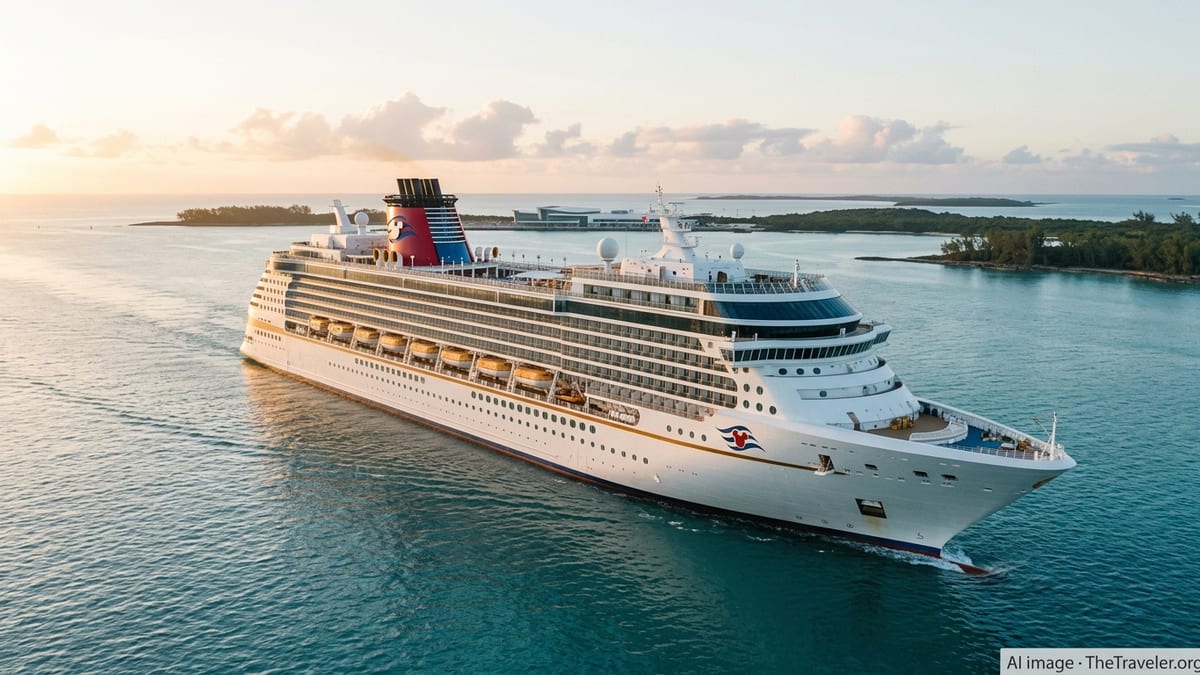
Disney Cruise Line reports that it has eliminated more than 99 percent of guest-facing, non-essential single-use plastics across its fleet and private island destinations, marking a significant milestone in the cruise sector’s efforts to reduce ocean-bound waste.
Get the latest news straight to your inbox!
A Major Milestone in Cruise Sustainability
According to published coverage, the 99 percent figure applies to guest-facing, non-essential single-use plastics across Disney Cruise Line ships and island destinations as of the end of fiscal year 2025. The announcement follows a multiyear effort tied to The Walt Disney Company’s broader environmental goals to phase out specific plastic items and redesign onboard services.
Reports indicate that this progress builds on an earlier 2022 target, when Disney Cruise Line reached an 80 percent reduction in guest-facing single-use plastics across its operations. The latest data reflects intensified work to move from reduction to near-elimination within core guest areas, including staterooms, dining venues and recreation spaces.
Publicly available sustainability reports from The Walt Disney Company show that eliminating single-use plastics on cruise ships was set as a 2025 goal, alongside broader materials and waste objectives across theme parks, resorts and media operations. The cruise division’s new milestone suggests that this specific plastics commitment is effectively being met on schedule.
Industry observers note that the near-complete removal of guest-facing single-use plastics positions Disney Cruise Line among the leaders in large-ship cruising on this issue, at a time when regulators, investors and travelers are placing greater scrutiny on marine environmental performance.
What Has Changed Onboard and Ashore
Details from recent coverage and company impact reports highlight a combination of material substitutions, reuse systems and product redesigns across the fleet. Beverage service is one of the most visible areas of change, with teams phasing out standard plastic water bottles in favor of recyclable aluminum options and expanding access to refill stations for guests and crew.
In guest staterooms, Disney Cruise Line transitioned from individual plastic amenity bottles to larger refillable dispensers several years ago, a move that previously removed millions of small containers from annual waste streams. Sustainability reports describe this step as a core element in cutting plastics tied to personal-care products onboard.
Operations teams have also targeted the upstream packaging that arrives with supplies. According to published coverage, purchasing departments now procure some high-volume items, such as guest room towels, in bulk to avoid plastic wrapping before these goods ever reach the ships. This approach aims to prevent plastic waste at the source rather than relying solely on onboard recycling.
On Disney’s private island destinations in The Bahamas, including Castaway Cay and the recently developed Lookout Cay at Lighthouse Point, similar shifts have occurred in food and beverage packaging, retail bags and recreational amenities. Public information on these locations notes that they serve exclusively as ports of call for Disney ships, making them key testbeds for new waste-reduction practices.
From Early Pledges to 99 Percent Elimination
The latest plastics milestone comes after a series of commitments that began in 2018, when The Walt Disney Company set out to eliminate single-use plastic straws, stirrers and polystyrene cups at owned and operated sites worldwide, including cruise ships. Subsequent white papers and environmental goal documents added specific targets for refillable amenities and reductions in plastic shopping bags.
Disney’s environmental goals framework outlined a plan to eliminate single-use plastics on cruise ships by 2025, alongside objectives to reduce overall operational waste and redesign products and packaging for reuse, recycling or composting. The 99 percent figure now being reported for guest-facing plastics indicates that this cruise-specific pledge is nearing full implementation in public areas.
Earlier fact sheets for Disney Cruise Line documented steps such as the switch to refillable bath products in 2019 and ongoing investments in recycling, compacting and waste-to-energy processes. Over time, these operational measures were combined with more visible guest-facing changes, creating a cumulative effect on the volume of plastics sourced and disposed of.
Sustainability and social impact reports from recent years describe a broader shift in materials strategy, identifying plastics as one of several high-impact material categories targeted across Disney’s global portfolio. The cruise business has been used as a platform to introduce and scale many of these materials initiatives in a controlled, closed-loop environment.
Implications for Guests and the Wider Cruise Industry
For travelers, the near-elimination of guest-facing single-use plastics translates into different beverage containers, amenity formats and packaging experiences onboard, but the core service offerings remain largely unchanged. Public information suggests that the emphasis has been on redesigning delivery systems so that familiar products are available with a lower environmental footprint.
Environmental advocates and travel analysts increasingly point to plastics reduction as a key indicator of cruise industry progress on sustainability, alongside fuel, emissions and wastewater management. Disney Cruise Line’s latest update is likely to be viewed in that context, particularly as policymakers and port communities evaluate how large ships interact with sensitive coastal ecosystems.
Other cruise companies have announced parallel initiatives to phase out specific single-use plastic items or move toward reusable and refillable solutions, though the scope and timelines of these programs vary. Independent coverage frequently compares the approaches of major lines, noting differences in how far, and how quickly, each operator is willing to go beyond regulatory requirements.
As Disney Cruise Line adds new vessels and expands to additional regions, including Asia, the ability to maintain a 99 percent reduction in guest-facing single-use plastics will be an ongoing test of how well these design and procurement strategies can scale. Future sustainability reporting is expected to provide more detail on how these practices are applied across newbuilds and emerging destinations.
Plastics Reduction Within a Broader Environmental Strategy
While plastics have become a highly visible focus area, publicly available documents emphasize that they are one part of a wider environmental program that includes emissions, water, waste, sustainable design and biodiversity. Disney Cruise Line’s plastics milestone intersects with these broader goals, particularly around waste diversion and materials efficiency.
Company sustainability reports outline ambitions to achieve zero waste to landfill for key operations, with waste diversion targets that include recycling and, in some cases, thermal waste-to-energy. Cutting single-use plastics contributes to these objectives by reducing the overall volume of materials that must be managed through downstream waste systems.
Materials white papers from The Walt Disney Company identify plastics alongside paper, wood, palm oil and textiles as material categories associated with notable environmental impacts. The plastics program on Disney Cruise Line ships and islands is presented in these documents as an example of how targeted actions can reduce those impacts in specific business segments.
Observers note that the near-elimination of guest-facing single-use plastics may also influence how suppliers design products and packaging for the cruise and hospitality markets more broadly. By adjusting purchasing criteria to favor reusable, recyclable or compostable options, large operators can help shift demand toward lower-impact materials, potentially amplifying the environmental benefits beyond their own fleets.
Cruise Industry News: Disney celebrates environmental impact milestones
The Disney Scoop: Disney Cruise Line single-use plastics update
Disney Impact: Environmental sustainability and goals
The Walt Disney Company 2025 Sustainability & Social Impact Report