


More news on this day
Dubai-bound SpiceJet passengers staged protests inside New Delhi’s Indira Gandhi International Airport after two departures to Dubai were repeatedly rescheduled and delayed beyond 24 hours, leaving hundreds of travelers stranded with shifting timings and mounting frustration.
Get the latest news straight to your inbox!
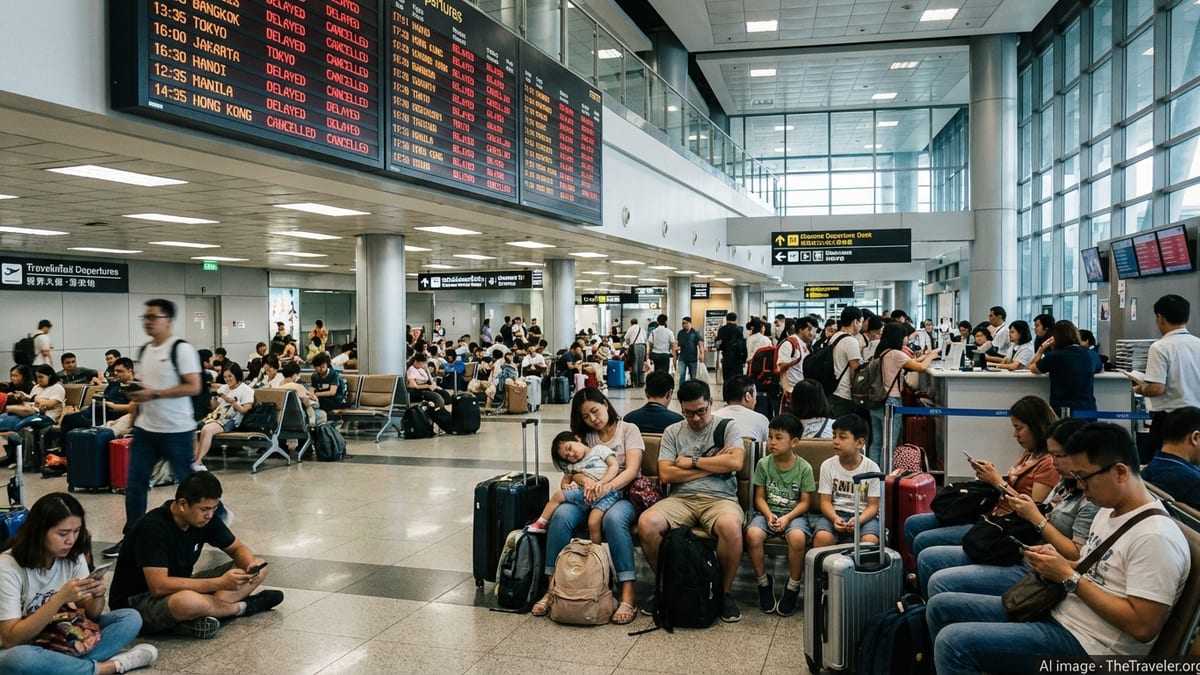
What happened at Delhi Airport’s Terminal 3
Published coverage in India and the Gulf region indicates the disruption centered on two SpiceJet services from Delhi to Dubai, with crowds gathering in Terminal 3 as delays stretched across Monday into Tuesday. Reports described passengers sitting on the terminal floor and raising slogans as they sought clearer information on when aircraft would depart.
The affected departures were widely reported as flight SG 5111, originally scheduled for Monday morning, and flight SG 5105, scheduled for Monday evening. Coverage described SG 5111 as initially set to leave at 7:45 a.m. Monday and later pushed to Tuesday morning, while SG 5105 was reported as scheduled at 6:45 p.m. Monday and later moved to Tuesday.
Several outlets characterized the cause as “operational reasons,” a broad label that can include aircraft availability, rotations, staffing, or other airline-side constraints. Travelers’ anger, according to published reports, was fueled by repeated rescheduling and the absence of a firm, dependable departure time during the long wait.
Why a 24-hour-plus delay escalates quickly for international travelers
Long delays are disruptive on any route, but for international travel they can trigger missed hotel check-ins, onward connections, medical appointments, and time-sensitive work plans. Dubai-bound passengers may also face complications involving onward regional flights, short-stay visas, pre-booked airport transfers, and tour reservations that are often nonrefundable at short notice.
Travelers in transit areas can also confront practical issues that grow more acute over time, including access to food that fits dietary requirements, the ability to charge phones, and the need for rest spaces. When delays extend overnight, families with children, older passengers, and those with health conditions are especially exposed to discomfort and additional costs.
The protests at Delhi Airport reflect a familiar pattern in major hubs: frustration increases not only from the length of the delay, but from uncertainty. In disruption situations, passengers often prioritize predictable information such as a credible departure window, rebooking options, and clarity on care arrangements.
Passenger care rules in India that become relevant during extended delays
India’s Ministry of Civil Aviation has a Passenger Charter and DGCA-backed requirements that outline airline obligations during disruptions, including meals and refreshments tied to waiting time and, in certain circumstances, hotel accommodation with transfers for very long or overnight delays. Delhi Airport also publishes passenger-facing guidance summarizing these entitlements for flight delays.
Publicly available passenger-charter guidance indicates that when a delay crosses certain thresholds, airlines are expected to provide basic care such as refreshments and meals. When delays become overnight or stretch beyond 24 hours from the published scheduled departure time, published guidance indicates hotel accommodation can apply, along with transfers, depending on the scenario.
In practice, what passengers experience can vary by the details of the disruption, including when the delay was communicated, whether alternative services are available, and whether travelers accept rerouting or refunds. For travelers caught in an extended delay, the practical next step is often to request clear written rebooking or refund options, and to ask explicitly what care is being provided under the passenger charter provisions.
What stranded passengers can do while delays and reschedules continue
For travelers facing a rolling delay, the first priority is to confirm the flight’s current status using the airline’s official channels and the airport’s flight information displays, because departure estimates can change multiple times. Keeping screenshots or saved messages of updated timings can help travelers document the disruption if disputes arise later.
If a delay becomes overnight, travelers typically benefit from asking for specific arrangements rather than general assurances: whether hotel accommodation is being offered, how transfers are handled, and whether meal vouchers are available inside the terminal. If care is not provided on-site, passengers may need to keep itemized receipts for essential expenses, though reimbursement rules depend on the applicable policy and the details of the event.
Passengers should also verify whether re-accommodation is possible on a later SpiceJet service or, where available, by rerouting options that can include alternate airports or partner arrangements. For Dubai, this can mean checking whether the airline can rebook via another Indian gateway, or adjusting travel plans by departing on a different day if that becomes the most reliable option.
Wider implications for airline reliability and consumer confidence on Gulf routes
The Delhi-to-Dubai corridor is among the busiest international travel markets for Indian passengers, serving tourism, business travel, and the large Indian expatriate community in the UAE. When a high-visibility disruption occurs on an international route, it can quickly resonate across social media and influence booking decisions, particularly for travelers balancing price against schedule reliability.
Published reports about the SpiceJet delays also arrive amid broader scrutiny of customer service during irregular operations, especially around how quickly passengers receive firm information and practical care. Even when airlines cite operational constraints, consumer confidence tends to hinge on the basics: timely updates, workable rebooking choices, and visible assistance in the terminal.
For travelers planning near-term trips to Dubai, the immediate takeaway is to monitor flight status closely on the day of departure, arrive with essentials that make long waits manageable, and understand that India’s passenger charter framework sets expectations for care during extended disruptions. As coverage of the Delhi protests shows, when delays pass the 24-hour mark, the situation can shift rapidly from inconvenience to a public flashpoint.