


More news on this day
An early morning freight train derailment near Lake Greenwood has shut down a nearby roadway and prompted temporary restrictions on boat traffic as rail and marine crews move in to assess damage and begin cleanup operations.
Get the latest news straight to your inbox!
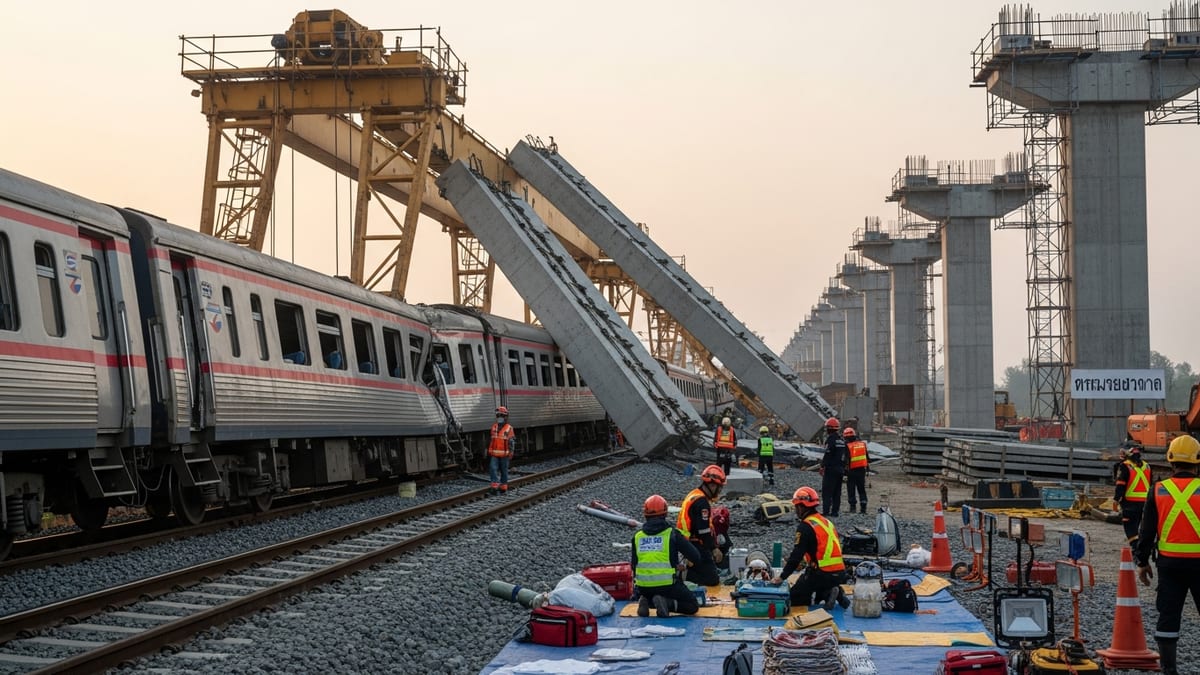
Roadway Closed After Cars Leave the Tracks
Initial reports indicate that several freight cars left the tracks in the pre-dawn hours along a corridor that parallels one of the primary access roads serving the Lake Greenwood area. The derailment occurred close enough to the adjacent roadway that public agencies moved quickly to block vehicle access and establish a perimeter while the condition of the railcars and track was evaluated.
Publicly available information shows that the impacted road is a busy local connector used by commuters, service vehicles and visitors heading toward lakeside neighborhoods and recreation areas. The closure is causing detours for drivers, with traffic redirected to secondary routes that offer limited capacity and add time to morning travel.
Traffic monitoring data and early local coverage describe congestion building around the detour points, particularly near intersections where rural feeder roads meet state routes. Motorists are being urged through public advisories to allow extra time, follow posted detour signs and avoid attempting to bypass barricades that have been put in place around the derailment zone.
There have been no early indications of serious injuries in connection with the incident, and available reporting suggests that the closure is primarily precautionary while rail inspectors and contractors determine how stable the derailed equipment and track structure are.
Restrictions Issued for Lake Greenwood Boat Traffic
The derailment’s proximity to Lake Greenwood has led to temporary restrictions on boat traffic in the affected section of the lake. According to published coverage, public safety and environmental agencies requested that recreational boaters steer clear of a defined area while crews survey the shoreline and any structures that carry the tracks across water or wetlands.
Lake Greenwood is a popular destination for fishing, paddling and powerboating, and the incident is unfolding during peak summer activity. While the closure currently applies only to a limited zone near the rail corridor, the restrictions cover both powered and non-motorized vessels and are expected to remain in place until cleanup equipment is parked and secured and any potential hazards in or near the water are ruled out.
Boaters are being asked, through marina notices and local news reports, to reduce speed in nearby channels, watch for work barges or survey boats, and comply with any temporary markers or patrol boats indicating no-go areas. The emphasis in these public messages has been on keeping wake down and limiting unnecessary traffic that could complicate the work underway onshore.
Local businesses that rely on lake access, such as marinas and outfitters, are monitoring the situation while encouraging customers to shift activity to unaffected parts of the lake. Early indications are that the broader reservoir remains open and usable outside the restricted zone, though some popular coves and approaches may be temporarily less accessible depending on the exact position of the rail line.
Cleanup, Inspection and Timeline for Reopening
Rail operators typically deploy specialized heavy equipment to re-rail or remove damaged cars, rebuild track, and inspect nearby infrastructure, and similar preparations appear to be underway at the Lake Greenwood site. Publicly available information about comparable incidents suggests that the process often begins with a detailed engineering survey to verify that bridges, embankments and culverts have not been compromised by the derailment.
Once stability is confirmed, crews can begin staged recovery of the railcars, clearing debris away from the roadway and any structures adjacent to the lake. That phase can require cranes, excavators and support vehicles, which is one reason the adjacent road must remain closed and lake traffic limited, to maintain a safe working environment and ensure there is space for equipment to operate.
Published coverage of similar derailments in mixed road-and-water environments indicates that full restoration of service and access can take anywhere from several hours to multiple days, depending on the severity of the damage, weather conditions and the complexity of the site. In this case, early messaging emphasizes that reopening the road and lifting lake restrictions will depend on progress in removing the railcars and rebuilding any damaged sections of track.
Public agencies are using standard communication channels to provide updates on the timing of road reopening and boating access. Travelers and lake users are being advised to check for the latest information before heading toward the affected area, particularly in the next 24 to 48 hours as the bulk of the cleanup work takes place.
Safety, Environmental and Travel Considerations
As with any derailment near a water body, early attention has focused on safety and potential environmental impacts. Available information so far does not indicate a large spill of hazardous materials into Lake Greenwood, and there have been no widely reported advisories affecting public water use beyond the localized boating restrictions.
Nevertheless, environmental agencies commonly conduct precautionary checks of shoreline areas and water quality following similar events. These efforts can include visual inspections for sheen or debris, as well as sampling if any tank cars or containers were involved. If additional protective steps are required, such as placing booms or limiting access to specific coves, those measures would likely be communicated through regional emergency alert systems and local news outlets.
From a travel perspective, the derailment is another reminder of how incidents along busy rail corridors can quickly ripple into broader transportation networks, affecting not only rail schedules but also road traffic and recreational access. The Lake Greenwood disruption is being layered onto a summer travel period that already sees heavier-than-usual traffic on regional highways and local roads leading to lakes and campgrounds.
Travelers heading to the lake region are encouraged to consider alternate access points and be prepared for slower conditions near the detour routes. Residents and visitors alike are being urged by public advisories to remain patient around work zones and to avoid stopping on bridges or shoulders to view the derailment, behavior that can create additional hazards and compound congestion.
Community Response and Next Steps
Local coverage shows that community response has focused on checking on neighbors, rerouting morning routines and sharing information on closures and detours as new details emerge. Social media posts and regional news updates have become key tools for residents to track which boat ramps, marinas and road segments are most affected at any given time.
Area tourism and recreation organizations are beginning to shape their messaging around the incident, emphasizing that the lake as a whole remains accessible while acknowledging the disruptions close to the derailment site. For visitors planning weekend trips, these groups are advising flexibility in launch points and readiness to adjust itineraries based on evolving access conditions.
In the coming days, attention is expected to shift from immediate response and cleanup to questions about rail safety and infrastructure near popular recreation areas. Publicly available information on past derailments suggests that follow-up reviews often examine track conditions, train speeds and inspection protocols, as well as emergency coordination between railroads and local agencies.
As crews continue their work near Lake Greenwood, travelers, boaters and residents are being urged to rely on verified public information sources for updates on road closures, rail operations and any changes to boating restrictions, and to treat posted barriers on both land and water as firm boundaries until the affected corridors are formally reopened.