


The Elafiti Islands sit just off the coast of Dubrovnik, but feel a world away from the city walls and cruise crowds. For first-time visitors they offer an easy escape to pine-scented walking trails, sandy bays and stone villages where time moves at island pace. This guide explains how to visit the three main islands of Koločep, Lopud and Šipan, how the ferries and tours work in practice, where to swim, stay and eat, and how to fold an Elafiti adventure into your first Dubrovnik trip.
Get the latest updates straight to your inbox!
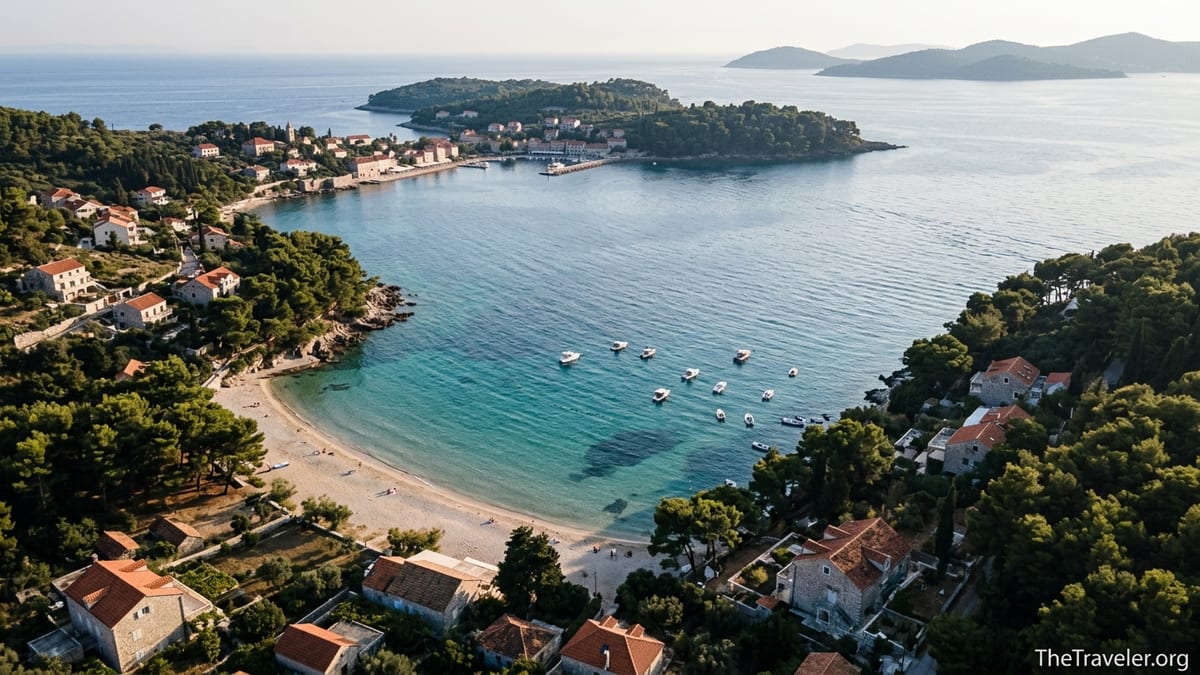
Where Are the Elafiti Islands and Why Visit from Dubrovnik
The Elafiti Islands are a small archipelago scattered northwest of Dubrovnik in the Adriatic Sea. The three main inhabited islands most visitors see are Koločep, Lopud and Šipan, all within roughly an hour and a quarter by local ferry from Dubrovnik’s Gruž harbor. Because they are so close, you can stand on Dubrovnik’s seafront promenade and clearly see the outlines of the islands across the water, yet the atmosphere once you arrive is far quieter than the city’s Old Town streets.
For a first-time Dubrovnik visitor, the Elafiti Islands are one of the simplest ways to balance sightseeing with genuine downtime. Many travelers spend a day touring the city walls and museums, then hop out to Lopud the next morning to swim at sandy Šunj beach and wander through the car free village before returning to Dubrovnik for dinner. Others choose to stay several nights on Šipan or Lopud and treat the islands as a peaceful base, commuting in to Dubrovnik for one or two days of urban exploring.
The key appeal is the change of pace. Where Dubrovnik in summer can feel crowded and intense, Koločep’s walking paths between its two tiny villages are usually quiet even in July, and Šipan’s interior still has working olive groves and vineyards. If you imagine a Croatia trip with one foot in history and one in a slower, more low-key Adriatic, the Elafiti chain gives you that combination without intricate logistics or long travel days.
Because the islands are served by regular local ferries and a mix of small boat tours, you can decide at short notice how much time to give them. On a three night Dubrovnik stay, many visitors opt for a single day trip covering two or three islands. Those with a week or longer often add two or three nights on Lopud or Šipan, which in practice means one hotel or apartment on the islands and one in Dubrovnik itself.
Getting to the Elafiti Islands: Ferries and Boat Tours Explained
Public ferries connect Dubrovnik with Koločep, Lopud and Šipan most of the year. Services are run by Jadrolinija, Croatia’s main ferry company, on a line that typically starts from Dubrovnik’s Gruž harbor and calls first at Koločep, then Lopud, and finally Šipan’s Suđurađ or Šipanska Luka, depending on the schedule. In normal summer seasons, there are several departures a day, with more frequent sailings in July and August compared with late autumn or winter.
The ferry from Dubrovnik to Koločep usually takes around 30 minutes, continuing a similar distance again to Lopud, and reaching Šipan in about 75 minutes from Dubrovnik. One way ticket prices on this route are typically in the range of a few euros per person, varying slightly by island and season. For example, recent summer fare examples show prices in the mid single digits in euro for Dubrovnik to Lopud or Šipan. You buy tickets at the Jadrolinija office or kiosk in Gruž on the day or a day or two before, showing your ticket as you board.
For many first-time visitors, the terminology can be confusing. The Jadrolinija ship serving the Elafiti line is usually a passenger ferry that can also take vehicles, with indoor seating, basic toilets and simple refreshments. It is not a tourist cruise. You will share it with locals traveling in for work, children going to school on the mainland, and island residents making supply runs. If you prefer more of a sightseeing experience, small-group boat tours operate from Dubrovnik’s harbor and waterfront, often advertised as “Three Island” or “Elafiti” cruises with lunch included.
These tours generally run as full day trips, leaving Dubrovnik around 9:00 in the morning and returning late afternoon. A typical itinerary might include a swimming stop near Koločep’s caves, free time in Lopud village and Šunj bay, and a lunch of grilled fish or chicken served on deck. Prices vary by boat size and inclusions, but examples for 2025 and early 2026 show group tours often priced in the range of 45 to 80 euros per person, with private boat charters starting much higher. When comparing options, look closely at how much free time you get on each island, whether drinks are included, and how many people the boat carries at full capacity.
Koločep: Coves, Caves and Gentle Walking
Koločep, sometimes called Kalamota, is the closest Elafiti island to Dubrovnik and the smallest of the main trio. It has two tiny settlements, Gornje Čelo and Donje Čelo, joined by a shaded walking path that takes around 30 to 40 minutes on foot. There are no cars, just a few small tractors and electric carts, so even the short stroll between the harbors feels peaceful, with glimpses of the sea through pine trees and stone walls.
The island’s coast mixes rocky platforms with small pebbly coves. Many boat tours from Dubrovnik stop at the so-called Blue or Green caves on Koločep, where visitors can swim or snorkel in clear, sheltered water when conditions allow. You will often see small groups floating around the cave mouths in high season, usually wearing life jackets provided by their tour operator. If you prefer to explore more quietly, you can walk beyond Donje Čelo village where simple concrete bathing spots and ladders into the sea give you room to spread out a towel and swim without crowds.
Koločep’s accommodation is limited compared with Lopud or Šipan, which keeps numbers down even in busy months. In practice that means a single boutique style hotel close to the sea and a scattering of family run apartments and guesthouses. Rates for a double room in peak summer often sit somewhere between mid and upper mid range Dubrovnik prices, while in May, June or September you may find more moderate options. Dining is also small scale, with a handful of konoba style restaurants close to the waterfront in each village serving grilled fish, simple pasta dishes, and local wines from the region.
For first-time Dubrovnik visitors, Koločep works best either as part of a multi island day trip or as a quiet overnight stay if you value walking and low-key evenings over nightlife or shopping. A common pattern is to ride the morning ferry from Gruž, walk across the island, swim at one of the coves, have a leisurely lunch overlooking the harbor, then continue on to Lopud by afternoon ferry if the schedule lines up.
Lopud: Šunj Beach and a Car Free Village
Lopud is the middle and arguably most popular of the Elafiti islands for a day trip, largely because of Šunj beach, one of the best known sandy bays near Dubrovnik. The island is officially car free, with only small electric carts and service vehicles allowed, so arrivals step directly from the Jadrolinija ferry into a harbor village lined with cafés, ice cream stands and simple waterfront hotels. For families and travelers who want beaches, cafés and gentle walks all in one compact area, it feels immediately relaxing.
Šunj beach sits in a wide horseshoe bay on the opposite side of the island from the harbor. You reach it either by walking over a low hill for roughly 20 to 30 minutes along a signposted path, or by taking a golf cart style taxi that shuttles back and forth in season for a small per person fee. The bay has a wide shallow sandy area, beach bars renting sun loungers in warmer months, and usually a mix of families paddling in knee deep water and groups playing ball games on the sand. Because the seabed stays shallow for a long way out, it is often recommended for less confident swimmers and children.
Accommodation on Lopud ranges from a modern resort style hotel with pool and spa facilities to smaller family hotels and a range of apartments tucked in the lanes behind the harbor. In high summer, sea view hotel rooms can reach the upper end of Dubrovnik’s price scale, occasionally well into premium territory, while simple apartments without a direct view are often more affordable for longer stays. Many visitors book three or four nights on Lopud so they can walk to Šunj early or late in the day when day trip boats are absent, then ferry into Dubrovnik once or twice for city sightseeing.
Beyond Šunj, Lopud has several small pebbly beaches close to the harbor, ruins of old monasteries on the hills, and a pleasant seaside promenade with enough cafés and restaurants for variety over a few days. In practice that might mean espresso and a pastry at a quayside café in the morning, a walk to the island’s small botanical garden or one of its churches, then grilled fish or risotto at a shaded terrace in the evening. There is little in the way of late night entertainment, which is exactly why many people choose it when Dubrovnik Old Town feels too intense.
Šipan: Laid Back Villages, Vineyards and Sea Views
Šipan is the largest of the Elafiti islands but is far quieter than many expect. It has two main settlements, Suđurađ on the eastern side and Šipanska Luka at the far western end of a broad bay. The Jadrolinija ferry usually docks at Suđurađ, whose stone waterfront is lined with a few small hotels, private houses and the occasional waterfront café. From there, a local road crosses the island through olive groves and vineyards to Šipanska Luka, a journey many visitors make by taxi, bicycle or on foot.
The interior of Šipan still feels very much like a working rural island. Between the villages you will see dry stone walls around small fields, citrus trees in gardens, and chapel towers rising above the greenery. Remnants of Renaissance era summer mansions from Dubrovnik’s wealthy families survive along the way, some restored into private homes or guesthouses, others still in atmospheric ruins. This history, layered over a lived-in agricultural landscape, gives Šipan a quieter, more local feel than the more obviously tourist facing harbor of Lopud.
Beaches on Šipan are mostly small pebbly coves and stone bathing areas close to each village, rather than wide stretches of sand. Many travelers swim from the main waterfront in Šipanska Luka, using ladders fixed to the quay, or find small coves a short walk from Suđurađ where the water is clear and rarely crowded. A few beach bars and tavern style restaurants provide simple seafood lunches, often featuring grilled fish, octopus salad and local white wines from the Dubrovnik region. One well known restaurant built on wooden platforms above the water on Šipan’s more remote coast regularly appears in travel write ups and is reached mostly by boat, which gives an idea of how water focused life on the island is.
Šipan is an excellent choice if you want island quiet, a sense of everyday life and the chance to unwind for several days between trips into Dubrovnik. Accommodation is a mix of small hotels in Suđurađ and Šipanska Luka and private villas or apartments, some with pools overlooking the sea. In practice, visitors who stay three or more nights often structure days around simple routines: a morning swim, coffee at the waterfront, a walk or bike ride across the island, then sunset drinks looking back towards the mainland hills before a fresh fish dinner.
Choosing Ferries, Tours and Where to Stay
Deciding between public ferries and organized boat tours depends on your priorities. If cost and flexibility matter most, the Jadrolinija ferry from Gruž is usually the better option. You pay only for the crossing itself, and once on the island you can choose how long to stay, where to eat, and which walking paths or beaches to prioritize. This works well if you are comfortable checking timetables, buying tickets and finding your way to the right pier in good time before departure. It also suits travelers who want to combine an island visit with an overnight stay without having to commit to a packaged day trip.
Boat tours, on the other hand, bundle a lot of logistics into a single purchase. Many include hotel pickup in Dubrovnik, drinks on board, a grilled lunch, and three or four swim or island stops. That can make sense if you are short on time, traveling in a group that prefers a social atmosphere on deck, or simply want someone else to handle the planning. The trade off is that your time on any one island, especially Koločep or Šipan, may be limited to an hour or less, and your schedule is fixed by the tour.
When it comes to where to stay, different islands fit different styles of trip. For a Dubrovnik first timer who wants to see as much of the city as possible and just sample the islands, it often makes sense to stay in or near Dubrovnik and take one or two day trips to Lopud or a multi island tour. Travelers planning a slower holiday might split a week between three or four nights in Dubrovnik and two or three on an island. Families with younger children often favor Lopud for the combination of a car free village, easy walks and Šunj’s shallow sandy bay, while couples seeking quiet sometimes prefer Šipan’s more dispersed villages or Koločep’s intimate scale.
In terms of budget, island stays cover a similar range to Dubrovnik, from self catering apartments that help keep costs down, through mid range guesthouses and boutique hotels, to full service waterfront resorts. Concrete examples include small harbor front hotels in Lopud village, simple studios behind Koločep’s harbor, and restored stone houses on Šipan that rent as entire villas. Food prices on the islands are typically comparable to Dubrovnik’s lower to mid range, though some particularly scenic restaurants on Šipan or beach bars at Šunj may charge a modest premium for location. Booking earlier for July and August is wise, as inventory is limited and many regular guests return year after year.
Beaches, Swimming Spots and Day Trip Ideas
Šunj on Lopud is the headline beach of the Elafiti Islands for good reason. The wide sandy bay, shallow entry and facilities such as lounger rentals, beach bars and simple food stands make it an easy day even with children or less mobile companions. It can, however, be busy at midday in high season when several boats arrive at once. To experience it at its most tranquil, many visitors either stay overnight on Lopud and walk over early in the morning or late in the afternoon, or plan their ferry times so that they reach Šunj either before or after the main tour boats.
Beyond Šunj, each island has its own quieter swimming spots. On Koločep, informal concrete platforms and small coves near Donje Čelo and Gornje Čelo create natural “beach clubs” where locals spread towels, set up umbrellas and climb into the sea using metal ladders. Water clarity is usually excellent on calm days, making snorkeling along the rocks rewarding. Lopud itself has smaller pebbly beaches along the harbor promenade that are handy for a quick dip between coffees, and Šipan offers an array of less organized but lovely locations, from the stony shoreline at Šipanska Luka to tucked away coves reachable on foot or by small boat.
As a day tripper based in Dubrovnik, realistic and enjoyable combinations might include a full day on Lopud alone, combining Šunj beach, a leisurely lunch on the harbor and an ice cream stroll along the promenade before the late afternoon ferry back. Alternatively, if ferry times cooperate, you might spend a relaxed morning walking and swimming on Koločep, then continue to Lopud for a few hours at Šunj and return direct to Dubrovnik in the evening. Some travelers choose a themed day, such as booking a small group boat tour that focuses on swimming in Koločep’s caves and snorkel friendly coves, with a short stop on Šipan for lunch.
Whatever you choose, it is sensible to pack with the islands in mind. Sturdy sandals or sneakers help on rocky paths and hot stone quays, while a light cover up and hat make ferry decks and open boats more comfortable under strong summer sun. Cash is useful for small purchases such as golf cart taxis on Lopud, simple beach bars at Šunj and ice creams or coffees in village cafés, although larger restaurants and hotels increasingly accept cards.
First-Time Dubrovnik Tips That Shape Your Island Plans
Your experience of the Elafiti Islands will be strongly influenced by how you organize your time in Dubrovnik itself. In peak summer, daytime crowds inside the Old Town can be intense, particularly when several cruise ships are in port. Many visitors now plan their city walls walk and main sightseeing for early morning or later evening, spending the hottest and busiest middle of the day on the sea or the islands. A ferry out to Lopud after breakfast, returning in time for a sunset drink on Dubrovnik’s walls, is a common pattern.
Staying near Gruž harbor instead of directly inside the Old Town can also make island day trips smoother. Several mid range hotels and apartments sit within walking distance of the ferry terminal, meaning you can stroll to the Jadrolinija pier in ten minutes for an early departure and still be in reach of the Old Town by local bus or taxi later. This layout can matter on travel days: for example, if you fly into Dubrovnik in the morning, check into a Gruž area hotel by lunchtime, then catch an afternoon ferry to Koločep for a few hours of swimming.
Weather and season are important too. In April, May and October, the sea can still feel cool for long swims, but ferries and island paths are quieter and hotel prices significantly lower than in late July or August. By contrast, high summer almost guarantees warm sea temperatures and lively waterfronts, at the cost of fuller boats and busier beaches. If your schedule is flexible and you care more about hiking and village atmosphere than swimming, late spring and early autumn often give the most balanced experience.
Finally, remember that the islands are small communities. Simple courtesies go a long way: avoid loud music on quiet beaches, dress with respect in village streets away from the shore, and be patient with timetables that sometimes shift slightly due to sea conditions. Talking with local café owners, guesthouse hosts or ferry staff can also yield up to date, on the ground advice about which walking paths are shaded, which coves are calm in that day’s wind, or whether a particular restaurant is open outside peak season.
FAQ
Q1. How long does it take to reach the Elafiti Islands from Dubrovnik?
On the public Jadrolinija ferry from Dubrovnik’s Gruž harbor, Koločep is usually around 30 minutes away, Lopud roughly 45 minutes, and Šipan about 75 minutes, depending on the exact sailing.
Q2. Is it better to visit the Elafiti Islands by ferry or organized boat tour?
Ferries are cheaper and give you more freedom with your time on each island, while organized tours bundle transport, drinks and lunch into one price but give shorter, more structured visits.
Q3. Which Elafiti island is best for a family with young children?
Lopud is often recommended because it is car free and has Šunj beach, a wide sandy bay with shallow water and facilities such as sun lounger rentals and beach bars in season.
Q4. Can I stay overnight on the Elafiti Islands instead of in Dubrovnik?
Yes, all three main islands offer accommodation, from a resort style hotel and small family run hotels on Lopud to apartments and guesthouses on Koločep and Šipan, plus some villas and boutique stays on Šipan.
Q5. Do I need to book ferry tickets to the Elafiti Islands in advance?
In most seasons you can buy Jadrolinija tickets at the Gruž harbor office on the day, but in peak summer it is sensible to purchase a day or two ahead for popular departure times to be sure of a place.
Q6. Are there sandy beaches on all three Elafiti Islands?
No, Šunj on Lopud is the main sandy beach. Koločep and Šipan mostly have pebbly coves and rocky platforms with ladders into the sea rather than wide sandy stretches.
Q7. Can I visit more than one Elafiti island in a single day trip?
Yes, many visitors combine Koločep and Lopud using public ferries, or join a “Three Island” day cruise that includes short stops on Koločep, Lopud and Šipan together with swimming breaks.
Q8. What should I budget for a full day Elafiti boat tour from Dubrovnik?
Prices vary, but recent examples for shared full day “Three Island” tours typically sit in the rough range of 45 to 80 euros per person, depending on the boat size and inclusions.
Q9. Is it realistic to base in Dubrovnik and do several Elafiti trips?
Yes, many travelers stay in Dubrovnik and take one or two day trips to the islands. If you want slower beach days and quiet nights, consider splitting your time between Dubrovnik and an island stay.
Q10. When is the best time of year to visit the Elafiti Islands?
For warm sea and a lively atmosphere, late June to early September works best. For fewer crowds and milder temperatures, May, early June and late September are often ideal, though the sea can feel cooler.