


More news on this day
Emirates, Air Arabia and flydubai have cancelled select flights in recent days as travelers monitor a newly updated U.S. travel advisory for Saudi Arabia and a wider pattern of aviation disruption across the Gulf, according to published flight-status updates and government travel guidance.
Get the latest news straight to your inbox!
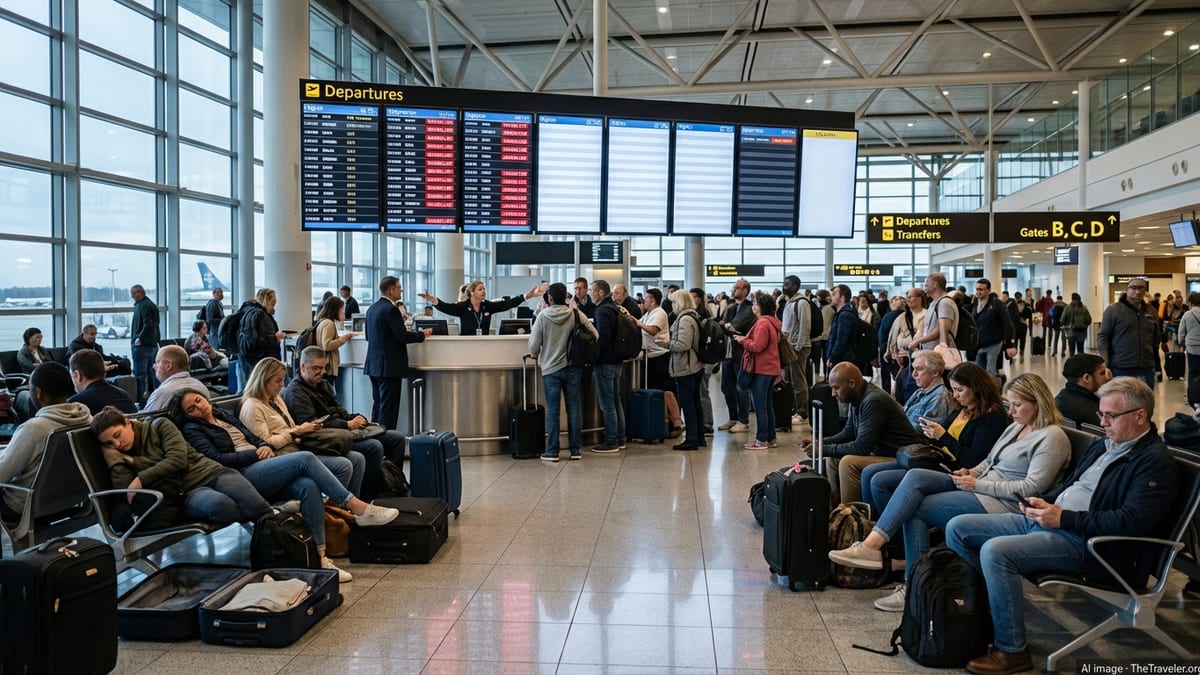
What changed in the US advisory, and what it means for travelers
The U.S. State Department’s Saudi Arabia travel advisory was updated on September 15, 2026. The advisory remains at Level 3, “Reconsider travel,” but the updated summary adds detail about restrictions for U.S. government employees in-country, including limits near the Yemen border and special-authorization requirements for travel to specific provinces.
Publicly available guidance also highlights the continued risk environment affecting civil aviation across the region. The advisory notes that commercial flights remain operational from Saudi Arabia, but have faced significant disruption at times, and it points travelers toward FAA guidance on risk to civil aviation in the Persian Gulf and surrounding waters.
For most leisure travelers, an updated advisory does not automatically cancel flights or void a ticket. However, advisories can influence traveler confidence, employer travel approvals, insurer decisions, and airline network planning when paired with changing airspace conditions, airport operating constraints, or heightened security concerns.
Which flights were cancelled, and how airlines are communicating changes
Across the UAE, flight-status pages and rolling airport disruption coverage have shown a mix of delays, cancellations, and rescheduled operations affecting routes around the Gulf, including services touching Saudi Arabia. Published airline notices emphasize that itineraries can change on short notice and advise travelers to check flight status before leaving for the airport.
Emirates’ customer-facing travel updates have recently focused on operational disruptions affecting specific markets and encourage passengers to verify flight status and monitor email notifications for delays, changes, or cancellations. While Emirates has not issued a single, Saudi-specific bulletin tied directly to the U.S. advisory update, the carrier’s messaging reflects a broader pattern of operational vigilance as regional conditions shift.
flydubai maintains a dedicated operational-updates page and notes that parts of its network are operating with a reduced schedule, with some routings taking longer due to temporary rerouting. Separately, flydubai continues to publish Saudi-specific operational details such as terminal changes in Riyadh, which can be important for travelers rebooked onto alternate flights or adjusted departure times.
Air Arabia’s public information and booking channels show continued service across multiple Saudi routes, but travelers have also seen disruptions reflected through airport and flight-status reporting. For passengers, the practical takeaway is that cancellations may appear first in flight status tools, while broader travel advisories serve as context rather than as a day-to-day schedule document.
Why Saudi routes are particularly sensitive right now
Saudi Arabia sits at the center of multiple high-demand air corridors for business travel, visiting friends and relatives, and religious travel flows, as well as dense UAE-Saudi short-haul links. Even limited cancellations can ripple through rebooking options because many flights operate at peak demand windows and connect onward to South Asia, Europe, and Africa.
In 2026, several governments have issued travel guidance emphasizing the possibility of flight cancellations, periodic airspace closures, and travel disruption in the region. UK travel advice for Saudi Arabia has referenced airstrike activity against Saudi territory and maritime targets, while Australian travel guidance has similarly warned that the broader security environment can translate into sudden operational limits for commercial aviation.
Separately, published regional coverage in recent months has linked specific domestic Saudi airports and routes in the south to heightened security concerns, which can prompt targeted suspensions or cancellations by carriers serving those airports. This can affect not only direct services but also the availability of alternative routings via major hubs such as Riyadh, Jeddah, and Dammam.
What affected passengers should do next: rebooking, refunds, and day-of-travel checks
Travelers with flights on Emirates, Air Arabia, or flydubai should begin with the airline’s flight status tool and the booking management page to confirm whether a service is operating, delayed, retimed, or cancelled. When disruptions occur, airlines typically route passengers into reaccommodation workflows that may include rebooking on the next available flight, rerouting via another hub, or offering a refund depending on the fare rules and local consumer-protection requirements.
Given that some disruptions stem from broader operational constraints, travelers may find that the “next available” option is not necessarily the same day, especially on thinner routes or where departure slots are limited. In that scenario, the best near-term leverage often comes from flexibility: accepting alternate departure times, different airports in the same metro area, or connecting itineraries when direct flights are not available.
For U.S.-based travelers, the updated advisory language underscores the importance of contingency planning: ensuring travel insurance covers cancellation and medical needs, keeping documentation accessible, and monitoring official travel guidance as conditions evolve. For travelers already in the region, the most useful habit is a day-of-travel check that includes airline notifications, airport updates, and any destination-side entry or movement restrictions that could affect ground travel after landing.