


More news on this day
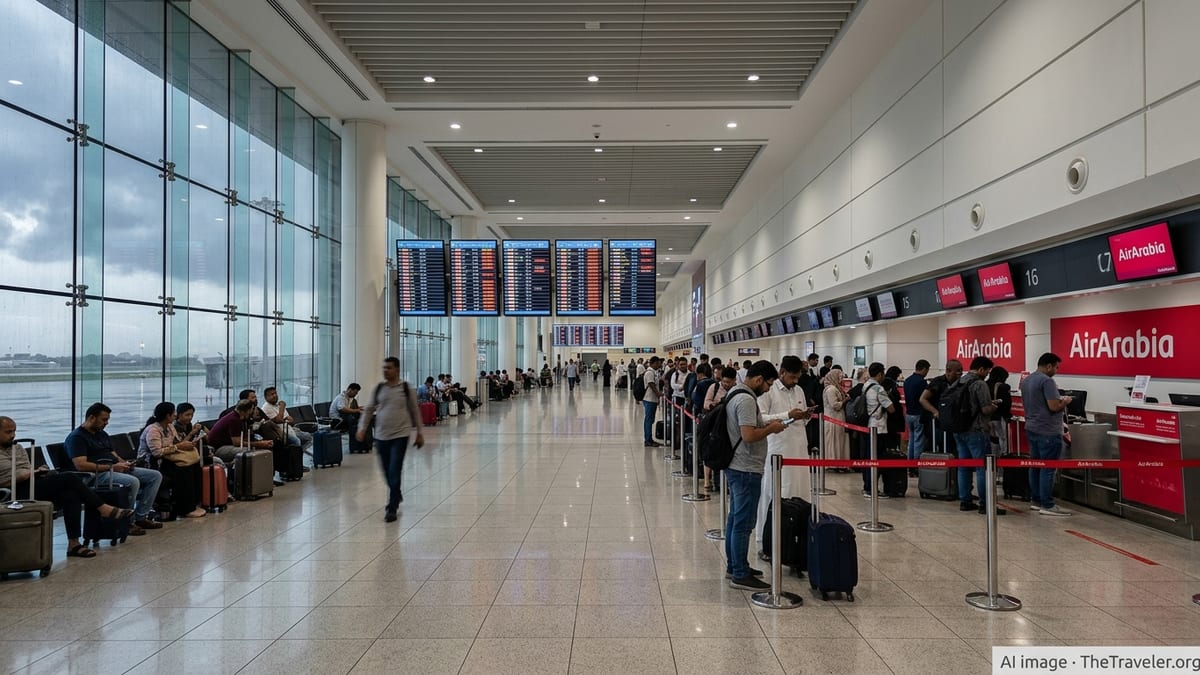
Emirates, Air Arabia and flydubai have adjusted schedules and, in some cases, canceled flights as travelers reassess plans following a newly updated U.S. travel advisory for Saudi Arabia amid heightened regional security concerns.
Get the latest news straight to your inbox!
What changed in the U.S. travel advisory for Saudi Arabia
Publicly available information on Travel.State.gov shows the U.S. State Department’s Saudi Arabia page issued an updated advisory dated September 15, 2026, listing the country at “Level 3: Reconsider Travel,” with risk indicators including Terrorism and “Other.” The advisory text points to risks ranging from armed conflict and terrorism to the potential for missile or drone activity in the region, and includes reminders about exit bans and local law considerations.
While a travel advisory does not ground flights by itself, it often becomes a trigger for corporate travel policies, insurance decisions, and traveler risk management assessments. Airlines typically respond not only to passenger demand shifts but also to operational factors, including airspace risk guidance and route planning constraints.
The same U.S. advisory also references civil aviation risk in surrounding waters and airspace. It notes that the Federal Aviation Administration has maintained an ongoing advisory Notice to Air Missions (NOTAM) for the broader Persian Gulf and nearby maritime regions since 2020, a reminder that flight planning in and around the Arabian Peninsula can be influenced by evolving security conditions.
Which carriers are canceling and how disruptions show up for passengers
In recent days, flight disruptions have been visible across Gulf networks that connect the UAE to the region. Published coverage by The National described a wave of delays affecting Dubai and Abu Dhabi on September 13, 2026, and separately noted that two flydubai flights between Dubai and Bahrain were canceled, on a route that can also be sold under Emirates codes on certain services.
For travelers, cancellations can look different depending on whether a flight is operated directly by the airline on the ticket, sold as a codeshare, or routed through partner connections. A cancellation on one segment can cascade into missed onward connections, forcing changes to hotel bookings, ground transportation, and visa timing for trips that require fixed entry dates.
Each airline’s public-facing advisories remain the best first stop for real-time operational guidance. flydubai maintains a dedicated “Operational Updates” page urging passengers to check flight status before heading to the airport, while Emirates maintains a “Travel updates” hub that it refreshes as circumstances change.
Operational factors behind cancellations: airspace risk, routing, and schedule integrity
Even when airports remain open, airlines can still cancel individual flights when safe routing becomes less efficient or when air traffic management constraints create knock-on disruptions. In periods of heightened regional tension, carriers may extend flight times to avoid certain corridors or altitudes, adjust fuel planning, and build in additional recovery time for crews and aircraft rotations.
U.S. aviation safety guidance can also influence how airlines and their insurers assess risk. The FAA’s public “Prohibitions, Restrictions and Notices” page is updated regularly and provides a centralized view of U.S. restrictions and notices relevant to operators, while FAA special notices for the Middle East and Eastern Mediterranean outline operational cautions that can factor into routing decisions during periods of instability.
Schedule integrity matters most for airlines running tight, high-frequency networks. A handful of delayed or diverted aircraft can create a rolling disruption that leads to later cancellations, particularly on short-haul regional routes where aircraft are scheduled for multiple legs per day. That is one reason travelers may see short-notice cancellations even if their departure airport is functioning normally.
What travelers should do now: rebooking, refunds, and timing considerations
Passengers with near-term travel involving Saudi Arabia should start by checking the operating carrier’s flight status rather than relying solely on third-party booking tools. If a flight is canceled, the next decision is whether to rebook on a later departure, reroute via another hub, or postpone travel altogether in light of the updated U.S. guidance dated September 15, 2026.
For U.S.-based travelers, itinerary planning should also account for the advisory’s mention of risks that can change quickly, as well as reminders about local legal restrictions and the possibility of limited U.S. government assistance in an emergency. Travelers who choose to proceed often reassess hotel cancellation windows, ground transport flexibility, and whether their travel insurance includes disruption coverage tied to security events or advisory changes.
Airlines can differ in how they handle irregular operations depending on fare type and point of sale. Travelers generally get the clearest options when they manage changes directly with the airline that issued the ticket, especially when a trip involves multiple segments across different carriers.
Why the timing is sensitive: regional security backdrop and near-term aviation demand
The advisory update comes against a backdrop of fresh regional developments that have driven heightened attention to security and infrastructure risk. Recent Associated Press coverage has described drone-related incidents and broader escalation dynamics affecting key routes and facilities, including energy infrastructure and strategic waterways, which can influence aviation risk assessments and traveler demand.
For airlines, this environment creates a moving target: customer bookings can soften in response to headlines, while operational planning becomes more complex if preferred routings are avoided. At the same time, Saudi Arabia remains an important destination for business travel and for religious travel flows, so carriers often attempt to maintain service where feasible while trimming specific rotations that are hardest to operate reliably.
Separately, Air Arabia has also been advancing Saudi-related aviation plans on the commercial side. The airline’s newsroom announcements published September 15, 2026 describe an Air Arabia-led consortium preparing to commence operations from King Fahd International Airport in Dammam on September 20, 2026, underscoring how quickly the region’s aviation outlook can swing between expansion plans and short-notice operational disruption.