


More news on this day
Emirates, Air Arabia and flydubai have cancelled select flights in recent days as regional disruption continues and the United States updated its Saudi Arabia travel advisory, prompting fresh scrutiny of Gulf travel plans for business, leisure and transit passengers.
Get the latest news straight to your inbox!
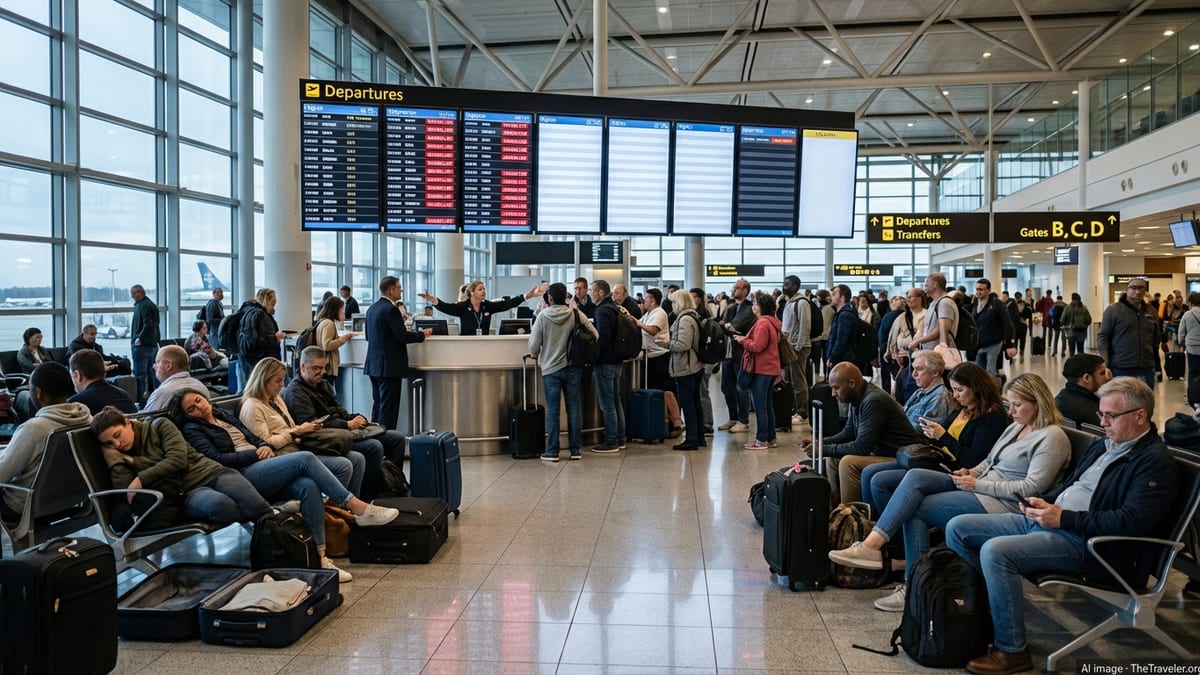
US updates Saudi Arabia travel advisory amid heightened regional risk
The U.S. State Department’s latest Saudi Arabia travel advisory, issued on September 15, 2026, lists the country at Level 3, Reconsider Travel. The advisory highlights risks that include armed conflict, terrorism, and the potential for Iranian drone and missile activity targeting American interests, alongside warnings about exit bans and local laws that can affect travelers’ online activity.
While the advisory level remains Level 3, the update adds detail on internal movement limits for U.S. government personnel, including restrictions tied to the Yemen border region and specific provinces and locations that require special authorization for official travelers. For leisure and business travelers, the practical impact is less about a single prohibition and more about trip planning, insurance, and the possibility of short-notice operational changes.
Other governments have also maintained elevated guidance in September 2026. Canada’s travel advice for Saudi Arabia was updated on September 15, 2026 with an “avoid non-essential travel” recommendation, and Australia’s Smartraveller update in early September cautioned that military conflict could lead to airspace closures and flight cancellations. The UK’s foreign travel advice continues to warn against travel to parts of the Saudi-Yemen border area and notes broader disruption risks across the region.
What has been cancelled, and what airlines are telling passengers
Publicly available airline and airport updates show that not all routes are affected equally. In the UAE, recurring disruption has been concentrated on selected regional services, with passengers seeing a mix of on-time operations, delays, and cancellations that can change day to day.
Recent coverage in UAE media has listed cancellations involving Emirates, Air Arabia and flydubai on certain routes. The reporting has emphasized that travelers should verify flight status directly with the carrier before leaving for the airport because schedules and routings can shift at short notice, sometimes for operational reasons unrelated to security conditions.
Emirates’ customer guidance for disrupted travel places the emphasis on monitoring flight status and keeping booking contact details updated to receive notifications. flydubai’s operational updates similarly advise passengers to check flight status and operational updates before travel and to follow instructions provided for rebooking or refund options where eligible.
Why airlines cancel: airspace complexity, reroutes, and ripple effects
Even when airports remain open, flight operations in the Gulf can be affected by airspace constraints, temporary reroutes, and uneven congestion. When flight paths change, block times can increase, aircraft rotations can break, and delays can cascade through the day’s schedule. That can eventually force cancellations, especially on high-frequency short-haul routes where aircraft utilization is tight.
Some airlines have also warned that transit times may be longer than usual when rerouting is required. For travelers, the disruption can show up as extended connections, missed onward legs, or last-minute gate and timing changes.
Importantly, cancellations do not always track one-to-one with a single government advisory. Advisories can influence traveler demand and corporate travel policy, but airlines typically base day-of-operations decisions on real-time risk assessments, airspace access, aircraft availability, crew scheduling, and airport flow constraints.
What travelers should do now if flying via the UAE or to Saudi Arabia
Travelers with upcoming itineraries involving Dubai, Sharjah, Abu Dhabi, or Saudi gateways should check flight status multiple times: the day before travel, the morning of departure, and again before leaving for the airport. Where possible, ensure the booking has an active email and phone number to receive schedule-change notifications promptly.
For passengers connecting through Dubai, it can be worth building extra connection time in case inbound segments arrive late. Travelers may also consider whether a same-day connection is essential, particularly for time-sensitive meetings, cruises, or events.
For trips into Saudi Arabia, travelers should also consider the broader planning implications flagged by multiple governments: review insurance coverage carefully, understand any policy restrictions related to travel advisories, and remain alert for changes to airline schedules that could affect entry and exit timing. For U.S. citizens, the State Department advisory also underscores that local laws and social media-related conduct can carry consequences, which may factor into pre-trip preparation.
As disruption remains fluid in mid-September 2026, the most reliable immediate guidance remains airline-issued flight status tools and operational update pages, combined with government advisories that outline the underlying risk environment shaping the region’s travel outlook.