


More news on this day
Erbil International Airport recorded at least 15 flight cancellations and five significant delays over a 24 hour period following renewed security tensions around the city, prompting fresh travel warnings for passengers using one of Iraq’s busiest gateways.
Get the latest news straight to your inbox!
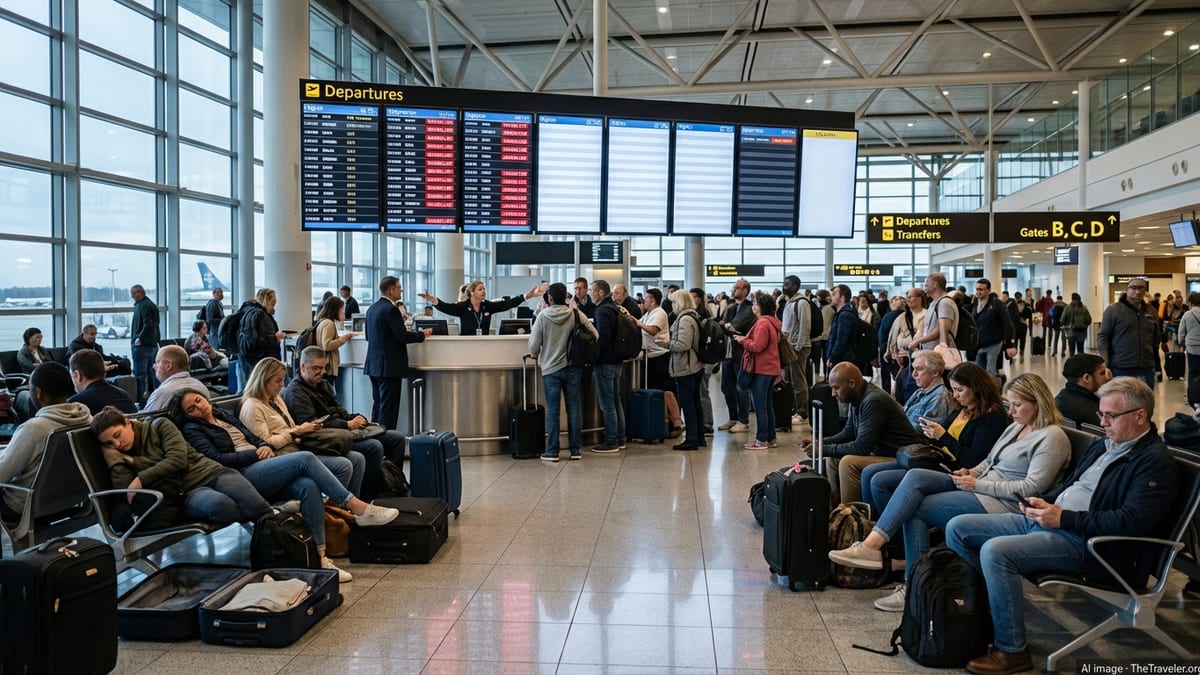
Wave of Disruptions After Renewed Security Tensions
Recent drone and missile activity targeting sites in and around Erbil has once again pushed the region’s air traffic into uncertainty, with flight tracking data and aviation monitoring platforms showing a sharp spike in cancellations and delays at Erbil International Airport. The latest disruptions, concentrated within a single operational day, are part of a wider pattern of stop start flight schedules that has emerged since the escalation of the regional conflict in early 2026.
Aviation analytics sites show multiple Erbil bound and Erbil departing services either scrubbed or heavily delayed, including flights linking the Kurdistan Region with Istanbul, Doha, and several major European hubs. Some services that had been operating reliably as recently as early July were either cancelled outright or rescheduled at short notice after a new round of strikes and attempted attacks near the city.
Commercial reports and local coverage describe a brief freeze of air travel at both Erbil and Al Sulaymaniyah on July 18 following Iranian strikes and drone incidents in the wider Kurdistan Region. Although Iraqi airspace has since reopened and Erbil’s runway has returned to operation, the backlog of disrupted flights and continuing security uncertainty has translated into a concentrated cluster of at least 15 cancellations and five delays for passengers.
Publicly available security analyses note that Erbil International Airport, which also hosts foreign military facilities, has been a recurrent target during the 2026 Iran conflict. This vulnerability has contributed to periodic airspace closures, precautionary groundings and conservative scheduling decisions by carriers serving northern Iraq.
Which Routes and Airlines Are Most Affected
The latest disruption has hit a mix of regional and international routes. Flight status boards and online trackers show cancellations on services connecting Erbil with Istanbul’s Sabiha Gokcen Airport, as well as interruptions on certain Gulf and European links that typically carry both business travelers and members of the Kurdish diaspora.
One Pegasus Airlines service from Istanbul to Erbil scheduled for mid July was recorded as cancelled, while other carriers adjusted timings or removed rotations from booking systems for the current weekend. Separate data from online travel agencies shows an Erbil to Doha flight operated by Qatar Airways departing significantly later than scheduled, with a revised late night departure and arrival window, indicating at least one of the five logged delays.
Regional media coverage and industry notices also highlight that operational profiles differ from airline to airline. Some carriers continue to operate near normal schedules, while others have implemented selective cancellations, aircraft swaps or reduced frequencies on Erbil routes. This patchwork approach means that passengers on one airline may experience minimal disruption while others face last minute changes.
Despite the wave of cancellations, several flights from Erbil to European destinations, including services to Germany, have continued to operate, according to real time departure information shared by travel platforms. These contrasting patterns underline how quickly conditions can shift, and how individual airlines are constantly recalibrating their exposure to security and airspace risks.
Impact on Travelers and Regional Connectivity
The concentration of 15 cancellations and five delays in a single day has immediate consequences for travelers already in transit. Passengers connecting through Erbil to onward destinations in Europe and the Gulf face missed connections, unexpected overnight stays and difficulties rebooking at short notice during the busy summer season.
Erbil serves as a crucial aviation hub for northern Iraq, linking the Kurdistan Region with key business centers and providing a primary exit route for international travel. When operations are curtailed even briefly, ripple effects are felt across the wider network, affecting not only point to point traffic but also labor migrants, students and medical travelers whose itineraries depend on tight connections.
Reports from travel forums and social channels indicate that some passengers have opted to reroute via Baghdad or regional hubs such as Doha or Istanbul to avoid potential further disruptions in Erbil. Others have chosen to delay or cancel trips entirely, citing concerns that the security situation could trigger renewed airspace closures with little warning.
For airlines and tour operators, repeated short notice disruptions increase operational costs and complicate planning for the rest of the summer travel period. Carriers must balance demand for Erbil flights against the risk of further security incidents and associated schedule instability, while local tourism and business sectors face renewed uncertainty over visitor flows.
Current Operating Status and What Passengers Should Expect
Publicly available information from Kurdish and Iraqi media indicates that, as of July 19, air traffic at Erbil International Airport has resumed after the latest disruptions, with both arrivals and departures taking place under heightened security conditions. However, flight volumes remain below normal levels compared with earlier in the year, and schedules are still subject to rapid change.
Several recent bulletins from logistics and supply chain advisories note that Iraqi airspace, including Erbil, remains under significant restrictions linked to the broader regional conflict. Although airports are not closed continuously, short term suspensions and restrictions have become more frequent, especially following high profile incidents such as drone or missile attacks in the vicinity of major urban centers.
Travel industry updates suggest that passengers booked on flights to or from Erbil in the coming days should be prepared for potential schedule changes, including retimings, aircraft substitutions and route diversions. Even where flights operate, extended security procedures and airspace management measures can translate into longer ground times and recurring moderate delays.
Travelers who must pass through Erbil are being urged by airlines and travel agents to monitor flight status closely on the day of travel, maintain flexible plans, and allow for additional transit time at connecting airports. Those with the option to postpone non essential trips are increasingly weighing the benefits of delay against the risk of becoming stranded by a sudden airspace closure.
Travel Advice and Risk Management for Erbil Flights
The new cluster of cancellations and delays at Erbil International Airport underscores the need for travelers to treat the city as a higher risk aviation destination while the regional security situation remains volatile. Industry risk briefings recommend that corporate travel managers maintain elevated alert levels for Iraq routings, including Erbil, and obtain up to date intelligence before approving new itineraries.
Passengers are advised to favor carriers with multiple daily frequencies or robust rebooking options when choosing routes to Erbil, as this can improve the chances of same day recovery in the event of a disruption. Booking longer connection windows at intermediary hubs may also help reduce the risk of missed onward flights if Erbil departures or arrivals are delayed.
Flexible tickets, comprehensive travel insurance and clear contingency plans are becoming increasingly important for those who must travel to or from the Kurdistan Region. Travelers may wish to identify alternate exit routes, including via Baghdad or neighboring countries, in case Erbil’s airspace is restricted again at short notice.
While Erbil International Airport remains a critical lifeline for the region, the latest episode of 15 cancellations and five delays in a single day reinforces that operations are closely tied to fast moving security dynamics. For the foreseeable future, passengers can expect a more volatile operating environment than before the current conflict, and should plan their journeys with an extra margin for disruption.