


More news on this day
Air travelers across Europe are facing another day of severe disruption, as data from flight-tracking and airport performance platforms shows dozens of cancellations and more than two thousand delays concentrated around major hubs such as Barcelona and Munich.
Get the latest news straight to your inbox!
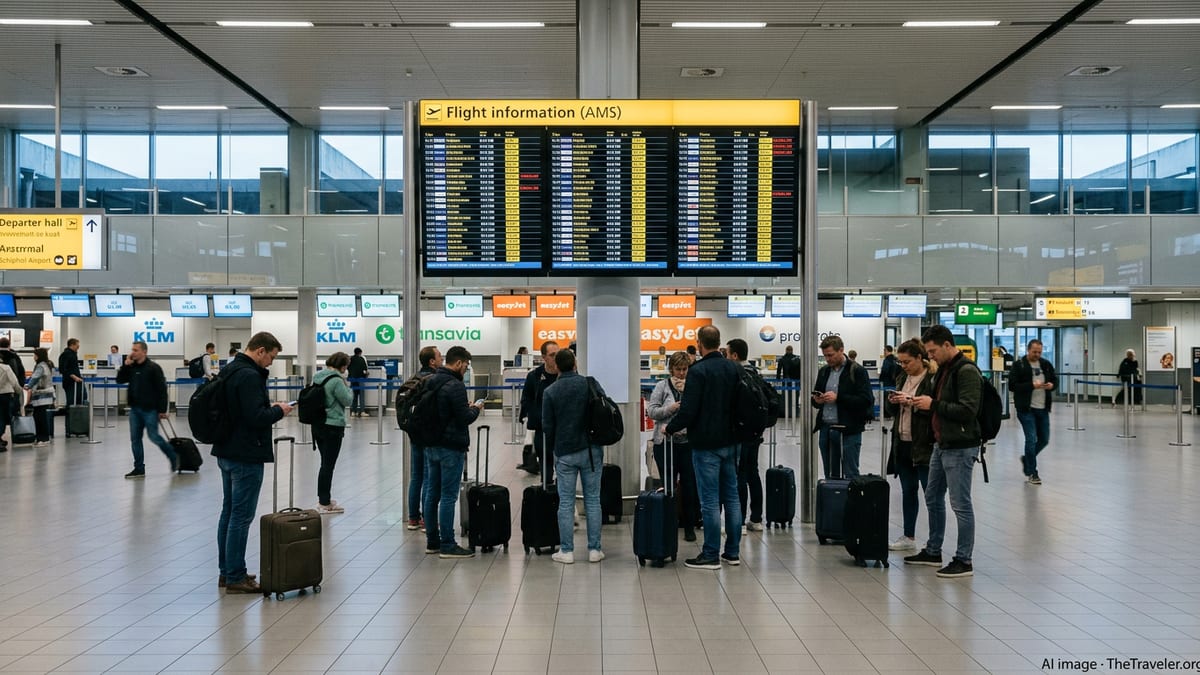
Data Points to Widespread Delays Across the Continent
Publicly available aviation data indicates that European skies remain congested, with air traffic flow management delays affecting a significant share of flights. A recent European aviation overview highlights that average delays per flight have been steadily rising during the peak summer period, reflecting pressure on airspace capacity and airport infrastructure.
Weekly monitoring from regional air navigation sources shows that key control centers serving southern and central Europe, including the Barcelona area, have been among the largest contributors to en route delays this season. These bottlenecks translate into longer holding patterns, revised departure slots, and reduced turnaround flexibility for airlines operating dense schedules.
On peak travel days, this operational strain can quickly cascade across the network. Even a relatively small proportion of flights experiencing long delays can push daily totals into the thousands, as late inbound aircraft disrupt subsequent departures from major hubs.
For passengers, the result is often felt most acutely in missed connections, late-night arrivals, and short-notice schedule changes that can be difficult to rebook during already busy travel weeks.
Barcelona and Munich Highlight Strain on Major Hubs
Barcelona El Prat and Munich International have emerged as focal points of the latest disruption. Both airports are central to intra-European networks, serving as key nodes for airlines linking Iberia, central Europe, and beyond. Performance data for these hubs in recent months shows generally high traffic volumes, with on-time departure rates under pressure compared with pre-pandemic norms.
Industry punctuality reports for 2026 list Barcelona and Munich among Europe’s busier airports, with average departure delays at Barcelona in double digits in minutes per flight and Munich also experiencing notable, though slightly lower, delay levels. These averages mask the spikes that occur on individual days when weather, staffing imbalances, or airspace restrictions converge.
Separate analysis of Barcelona’s recent operations points to recurrent issues on key routes to German hubs. In August alone, monitoring of cancellations at Barcelona recorded more than 150 scrapped flights, with Lufthansa cited as the airline most affected on routes connecting the Catalan capital with Frankfurt and other German cities. Munich, as a major transfer point in that network, has seen its own schedules squeezed when aircraft and crews are out of position.
These patterns help explain how a day that records a comparatively small number of outright cancellations can still see thousands of delayed flights, particularly where hub-and-spoke operations concentrate capacity into tight waves of departures and arrivals.
Major Airlines Face Network-Wide Knock-On Effects
The disruption has been felt most sharply by Europe’s larger network carriers, which rely heavily on coordinated banks of flights through cities such as Barcelona, Munich, Frankfurt, Paris, and London. When a single wave of flights is interrupted by ground holds or late arrivals, missed connections ripple through later departures, extending the impact across the day.
Published airline performance dashboards and flight trackers show individual services between Barcelona and Munich, among others, running well behind schedule on recent days, with some services delayed by more than an hour. In parallel, cancellation logs from Barcelona’s summer schedule show that repeat disruptions on key routes have been sufficient to place some carriers among the most affected at the airport.
Because many of these airlines operate extensive European and intercontinental networks, passengers can experience disruption far beyond the initial city pair. A delayed or cancelled short-haul service into a hub can mean missed long-haul departures and complex rebooking for travelers bound for North America, Asia, or Africa.
Low-cost carriers are not immune. Their point-to-point model can limit exposure to missed connections, but high aircraft utilization and tight turnaround times leave little margin for recovery when airports or airspace become congested.
Structural Pressures Behind Europe’s Summer Disruptions
Behind the headline figures of cancellations and thousands of delays are several structural pressures that have shaped Europe’s 2026 summer travel season. Aviation monitoring agencies have reported that overall traffic is now close to, or in some weeks above, pre-2019 levels, with some days setting new multi-year records for the number of flights handled across the European network.
This recovery has coincided with persistent staffing constraints at some airlines, ground handlers, and air traffic control centers. Even where recruitment has improved compared with the immediate post-pandemic years, training pipelines and rostering remain finely balanced. Any additional strain, such as localized weather events or technical restrictions in crowded airspace, can therefore lead to disproportionate disruption.
Official punctuality reports from European airport associations for early 2026 show average departure delays in the range of 8 to 13 minutes at many of the continent’s largest hubs, including Barcelona, Munich, London, Frankfurt, and others. While these averages are manageable on normal days, they illustrate a system operating with relatively limited slack, in which extra pressure quickly causes knock-on effects.
In such an environment, days that see a cluster of operational issues can produce the kind of figures currently being reported: dozens of cancellations across multiple airports and several thousand delays, many of them relatively short but cumulatively disruptive for travelers and airlines alike.
What Travelers Should Expect in the Coming Days
Given the underlying pressures, passengers flying through Europe’s major hubs in mid-September should be prepared for continued volatility in schedules. Aviation trend reports suggest that while overall traffic is expected to taper slightly from peak summer levels, busy weekend and holiday periods will continue to test the resilience of airline and airport operations.
Travelers connecting through Barcelona, Munich, and other primary hubs may face heightened risk of late departures, missed connections, or short-notice re-routing when delays cascade. Even when airlines avoid outright cancellations, rolling delays can extend journey times well beyond what is printed on tickets.
Consumer guidance from European passenger rights organizations generally recommends allowing longer connection times, particularly when separate tickets or non-protected connections are involved. Those planning tight same-day transfers, such as cruises, tours, or important events, may wish to build in additional buffer or consider arriving a day earlier when feasible.
As the season progresses, performance metrics from airports and navigation authorities will offer clearer insight into whether current disruption is easing or likely to persist into the autumn. For now, the combination of high traffic levels, concentrated hub operations, and structural staffing and capacity constraints continues to shape the experience of flying across Europe.