


More news on this day
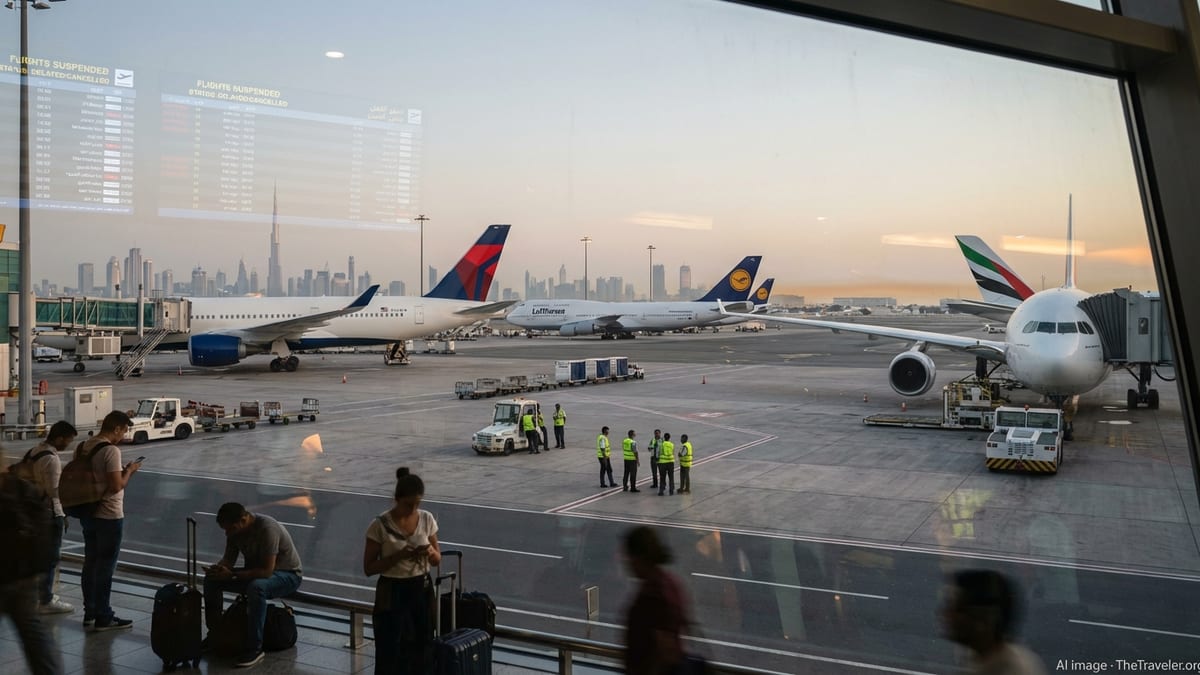
European air travel is facing yet another bout of disruption as industrial action and capacity constraints in Portugal, Belgium, Norway and other states ripple across the continent, delaying around 1,550 flights and cancelling at least 28 services for carriers including British Airways, KLM and easyJet at major hubs such as Madrid and Rome.
Get the latest news straight to your inbox!
Patchwork Strikes Turn Into Continent-Wide Delays
Recent industrial disputes in several European countries have combined with existing airspace and capacity bottlenecks to create a difficult operating environment for airlines and airports. Belgium’s air navigation service provider skeyes staged a two-wave air traffic control walkout on 2 June, temporarily closing large portions of the country’s airspace and forcing widespread cancellations at Brussels, Charleroi and Liège. Publicly available strike trackers and airport statements indicate that hundreds of flights were either cancelled or heavily delayed during the afternoon shutdown window.
Portugal has experienced its own turbulence. A nationwide strike at the beginning of June affected airport operations around Lisbon and Porto, followed by further disruption on 10 June in which more than 300 flights were reported delayed and at least a dozen cancelled across five major Portuguese airports. Local coverage highlights knock-on effects for both domestic and international routes, particularly those connecting to Spain and the United Kingdom.
In Norway, air traffic control capacity constraints and periodic labour actions have also contributed to delays across Scandinavian routes, adding further stress to a network that relies heavily on northern corridors for long-haul and intra-European connections. Eurocontrol network updates describe a system in which weather, staffing shortages and industrial unrest regularly intersect, turning local problems into continent-wide schedule disruptions.
Taken together, these events have generated an estimated 1,550 delays and 28 outright cancellations over a short period, with many more flights experiencing missed slots and extended turnarounds as aircraft and crews end up out of position.
Major Carriers Face Cascading Operational Challenges
Flag carriers and low-cost operators alike have been caught in the latest wave of travel disruption. British Airways, KLM and easyJet have all reported schedule adjustments or cancellations linked to air traffic control restrictions, strike action or capacity shortfalls in affected states. When airspace closes or airport throughput is reduced, airlines must race to retime or reroute services, sometimes with only hours of notice.
In the Netherlands, Amsterdam Schiphol has recently seen dozens of KLM and partner flights delayed or cancelled in a single day, with travel-industry monitoring sites counting more than 60 cancellations and over 500 delays across several major carriers on 9 June alone. These operational shocks quickly feed into connecting banks, affecting flights onward to Southern Europe, Scandinavia and transatlantic destinations.
British Airways has faced similar turbulence on services that overfly or transit Belgium and Portugal. Discussions on consumer forums and airline channels describe passengers receiving short-notice rebooking messages, with some London services to continental Europe rerouted via alternative hubs or shifted to later departures to avoid strike windows or airspace restrictions.
For easyJet, which operates extensive networks out of Lisbon, Porto, Faro, Madrid and Italian cities, disruption in any single country can fragment its carefully timed schedule. Reports from previous industrial actions show the carrier suspending large numbers of flights in Portugal when based crews are hit by strikes, a pattern that appears to be repeating as the summer 2026 travel season ramps up.
Madrid, Rome and Other Hubs Absorb Knock-On Effects
The disruption has not been confined to the countries where industrial action originates. Hub airports in Spain and Italy have been forced to absorb diverted traffic, missed connections and late-arriving aircraft as the ripple effects of strikes and capacity shortfalls play out across the wider network.
Madrid Barajas, one of Europe’s busiest connecting airports, has seen inbound services from Portugal and Northern Europe arrive significantly behind schedule, compressing turnaround times and putting pressure on handling resources. With many of these flights feeding long-haul departures to the Americas, even small delays can translate into missed connections for hundreds of passengers.
Rome’s main airports have also been affected, particularly on routes linking Italy with Brussels, Amsterdam, London and Scandinavian cities. When Belgian or Portuguese airspace restrictions trigger rerouting or ground holds, Italian-bound flights may be forced into longer trajectories or late departure slots, squeezing already tight summer operating windows and raising the risk of curfews at noise-sensitive airports.
Secondary hubs in France, Germany and Austria are experiencing similar stresses. Travel data aggregators show elevated levels of delays across Paris, Frankfurt, Vienna and other key nodes on days when strikes or capacity reductions occur elsewhere in the network, underlining how interconnected European air traffic flows have become.
Passengers Confront Long Queues and Complex Rebooking
For travelers, the most visible impact has been long queues at check-in counters, crowded transfer halls and overloaded call centers as airlines work through backlogs of stranded passengers. On days with heavy disruption, social media and travel forums have filled with accounts of travelers facing multi-hour waits for rebooking, hotel vouchers or basic information on revised flight plans.
Publicly available airline advisories indicate that carriers including KLM, British Airways and easyJet are offering a mix of fee-free changes, refunds and alternative routings for affected customers, depending on the cause of disruption and the specific fare rules. In some cases, passengers have been encouraged to travel on different days or via alternative hubs to bypass airports most exposed to strike action.
Consumer-rights information circulating in European media stresses that entitlements under EU and UK passenger protection rules can vary when delays are caused by factors such as air traffic control strikes, which are often classified as extraordinary circumstances. Travelers are being urged to keep all documentation, monitor official airline channels closely and consider travel insurance that explicitly covers industrial action and airspace closures.
With the peak summer holiday period approaching, the recent wave of delays and cancellations is prompting many passengers to build longer connection times into itineraries, opt for earlier departures, or select routes that avoid the most disruption-prone airspaces where possible.
Network Managers Warn of a Fragile Summer Season
European aviation bodies are signalling that the current spate of disruption may be a preview of a fragile summer season. Eurocontrol’s most recent network reports describe traffic levels edging above 2024 volumes, with average air traffic flow management delays already creeping higher in some key regions due to a mix of staffing constraints, airspace complexity and weather-related challenges.
Analysts note that while individual national strikes are not new, their impact is magnified by the dense web of connections that underpins European aviation. A closure of Belgian lower airspace, for example, can affect flights between the United Kingdom and Southern Europe, while industrial action in Portugal or Norway can force rerouting of services that never land in those countries but normally use their airspace as a corridor.
Industry commentary suggests that airlines will continue to refine contingency plans, including pre-emptive schedule thinning on the busiest days, greater use of interline agreements to move passengers when disruptions occur and more proactive digital communication. However, with labour negotiations ongoing in several countries and air traffic systems operating close to capacity on peak days, the risk of further travel chaos remains elevated.
For now, passengers planning trips through Madrid, Rome and other major hubs are being advised by publicly available guidance to check flight status frequently, allow generous connection times and stay flexible as Europe’s aviation network navigates another challenging summer.