


More news on this day
The head of the Federal Aviation Administration has met with chief executives from the largest U.S. passenger airlines to review a new traffic management system and other steps aimed at cutting persistent flight delays and cancellations across the country.
Get the latest news straight to your inbox!
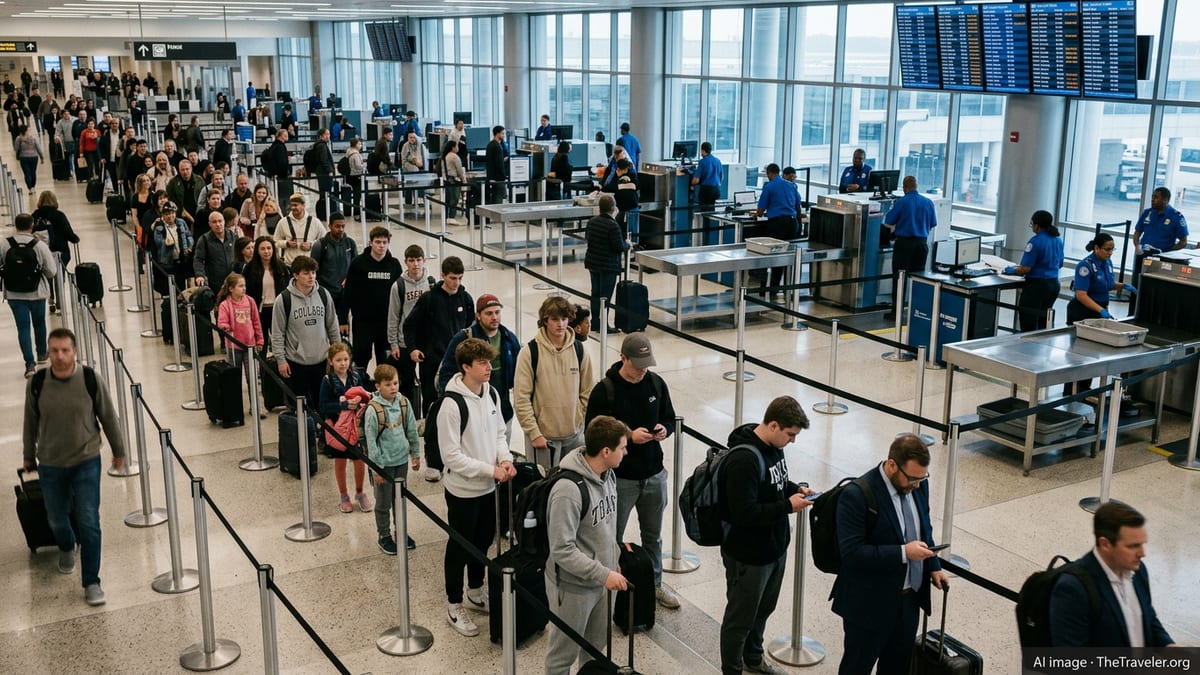
High-level meeting focuses on SMART rollout
According to recent news coverage, FAA Administrator Bryan Bedford convened top leaders from major carriers including American Airlines, United Airlines, Delta Air Lines and Southwest Airlines to discuss how a new system known as SMART will be integrated into airline operations. Publicly available reports describe SMART, short for Strategic Management for Advanced Routing Technologies, as an advanced software platform intended to help the agency reorganize flight schedules and manage airspace more dynamically.
The meeting, organized with the industry trade group Airlines for America, comes as the agency prepares to begin rolling out SMART this month. Coverage of the discussions indicates that the FAA outlined how the system will be used to anticipate congestion, adjust routings and open available airspace more efficiently, particularly during peak travel periods and severe weather.
Reports indicate that airline executives reviewed scenarios in which SMART could be used to reroute flights around storms, smooth traffic flows into busy hubs and reduce the need for extensive ground delays. The aim, according to published accounts, is to translate those operational adjustments into fewer missed connections, cancellations and rolling disruptions for passengers.
Delays, cancellations remain under scrutiny
The push to deploy SMART and coordinate more closely with carriers follows several years in which high-profile disruptions have drawn public and political attention. Data highlighted in recent federal notices and consumer-protection initiatives show that weather, air traffic control constraints and airline scheduling practices have all contributed to long stretches of delays and flight cancellations, especially during summer and holiday peaks.
Separate actions by the Department of Transportation have focused on how airlines classify and report the causes of those disruptions. New rules implementing provisions of the FAA Reauthorization Act of 2024 revise how carriers attribute delays and cancellations, excluding certain types of events from the “air carrier” category. Public information indicates that the changes are intended to provide a clearer picture of which problems fall under airline control and which stem from broader system constraints.
These regulatory steps, combined with the FAA’s technology rollout, underscore the degree of pressure on both regulators and airlines to demonstrate measurable improvement. While headline disruption levels have fluctuated from year to year, coverage of the latest meeting suggests that both sides face expectations for more reliable operations as demand for air travel remains robust.
Chicago O’Hare and other congestion hot spots
The SMART discussions are unfolding alongside separate federal efforts to address chronic congestion at specific airports. Earlier this year, the FAA and the Department of Transportation moved to convene a formal scheduling reduction meeting for airlines serving Chicago O’Hare International Airport, citing statutory authority to seek voluntary flight reductions when overscheduling contributes to severe delays and cancellations during peak hours.
Federal notices describe a structured process in which the FAA meets individually with carriers serving O’Hare, requests proposed schedule cuts or modifications, and then evaluates whether the combined offers are sufficient to meet delay-reduction targets. The framework, developed in consultation with the Department of Justice, is designed to comply with antitrust laws while still allowing the government to push for fewer peak-time operations at severely congested airports.
Public records indicate that similar mechanisms have been used in the past at other capacity-constrained hubs. The renewed focus on O’Hare highlights how targeted schedule adjustments at a handful of major airports can interact with tools such as SMART: reducing overscheduling at choke points gives advanced routing technologies more room to work, potentially magnifying their impact on delays across the network.
Technology, staffing and passenger rights intersect
Coverage of the meeting between Bedford and airline CEOs emphasizes that SMART is only one part of a broader push to improve reliability. Industry and government analyses have repeatedly pointed to air traffic controller staffing as a continuing vulnerability, with shortages at some key facilities amplifying delays when traffic surges or storms disrupt normal routings.
At the same time, the Department of Transportation is advancing several initiatives aimed at strengthening passenger protections when delays and cancellations do occur. Notices for upcoming meetings of the Aviation Consumer Protection Advisory Committee show that regulators and industry representatives will review one-page passenger rights summaries, new airport “know your rights” posters, and online dashboards that track how individual airlines handle disruptions, family seating and other service commitments.
These consumer-focused efforts complement operational changes discussed at the FAA–airline CEO meeting. Publicly available information suggests that, taken together, technology upgrades, staffing initiatives and transparency measures are intended to both reduce the frequency of severe disruptions and provide clearer remedies and information for travelers when problems arise.
What travelers can expect next
Reports on the recent gathering indicate that airlines largely support the FAA’s plan to phase in SMART, with industry groups describing the system as a potential boost for travelers if it delivers on its promise of more flexible airspace management. The extent of the benefits, however, will depend on how rapidly the system is adopted in day-to-day airline decision-making and how effectively it is integrated with existing tools used by dispatchers and air traffic controllers.
As the rollout proceeds, travelers may not notice SMART directly, but they could see incremental changes such as fewer long ground holds before departure, more dynamic rerouting during weather events and, over time, a reduction in large-scale cancellation waves that have characterized some past storms and holiday disruptions. Any gains are likely to be evaluated against publicly reported on-time performance statistics and the growing body of data on the causes of delays.
Published coverage indicates that regulators plan to continue monitoring performance at key hubs like Chicago O’Hare while also tracking nationwide trends. For now, the meeting between the FAA leader and airline CEOs signals a coordinated attempt to use a mix of technology, schedule management and consumer transparency to produce a more reliable experience for passengers who have grown accustomed to disruption-heavy travel seasons.
US FAA head meets with airline CEOs on plan to cut flight delays
FAA director meets airline CEOs to discuss delay-reduction plan (French report)
DOT rule on reporting causes of airline delays and cancellations
Operating limitations and delay-reduction process at Chicago O’Hare