


Faro Airport is the main gateway to Portugal’s Algarve coast, handling more than 10 million passengers a year and serving beach towns from Tavira to Lagos. If this is your first time landing here, the compact single terminal is easy to navigate, but local transport norms, car rental quirks and seasonal crowds can still catch newcomers off guard. This guide walks you step by step through arriving, getting into the Algarve and making smart decisions on everything from parking to lounges and nearby hotels.
Get the latest updates straight to your inbox!
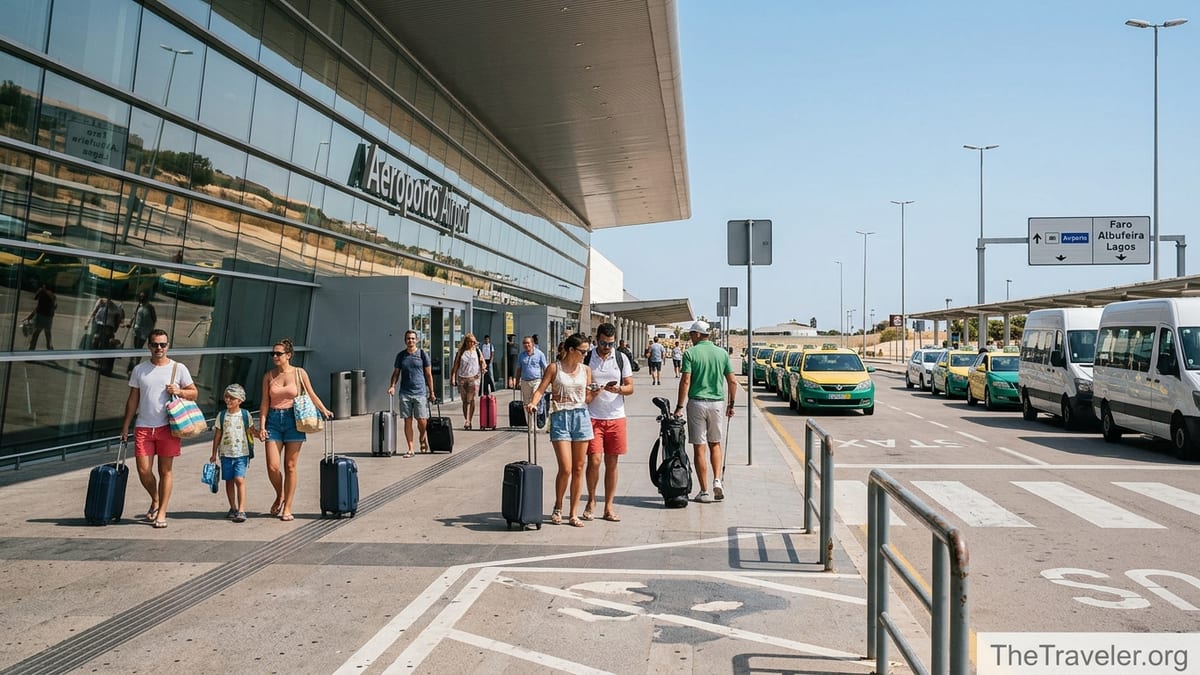
Getting Oriented at Faro Airport
Faro Airport has just one passenger terminal, which simplifies things for first-time visitors. Arrivals, departures and most services are all in the same building, laid out on two main levels. International and domestic flights typically use the same check-in and security areas, so you will not have to guess which part of the airport your airline uses. After landing, you pass through passport control for non-Schengen arrivals, then down to baggage reclaim and customs before entering a single public arrivals hall.
The arrivals hall contains ATMs, currency exchange counters, car rental desks, tourist information and access to taxis, buses and shuttles just outside the doors. Signage is clear in Portuguese and English, and because the airport is relatively small compared with hubs like Lisbon or Madrid, walking distances are short. Even if you are connecting to a domestic flight, transfers are usually straightforward because you stay within the same terminal.
Free Wi‑Fi is available throughout the building, so it is worth connecting as soon as you reach the public area. Many travelers use this moment to order a ride-hailing car, download local transport apps or message their hotel. Mobile data can be patchy along some coastal stretches, so setting up maps and directions while you are still on airport Wi‑Fi is a practical first step.
Services inside the terminal are modern but not luxurious. You will find several cafes, a supermarket-style convenience shop in the public area, and a larger duty-free store airside after security. For first-timers who land hungry, it is often easiest to grab a snack or coffee at the terminal before heading out to buses or taxis, especially if you are continuing to further-flung resorts like Lagos or Sagres.
Arrivals, Immigration and Baggage
For non-EU and non-Schengen passengers, the first stop after disembarking is passport control. In peak season from roughly late June through early September, queues can build at busy times of day when multiple flights from the UK, Ireland and northern Europe arrive within a short window. Early afternoon and late morning often see the heaviest traffic. If you are traveling with hand luggage only, you will still need to clear immigration but can then proceed straight into the arrivals hall.
Once you reach the baggage reclaim area, overhead screens list belt numbers by flight. Faro Airport deals with many short-haul leisure flights, so baggage wait times can be quite variable. In summer, allow at least 30 to 45 minutes from landing to walking out of the terminal if you have checked luggage and need to pass immigration. Baggage trolleys are usually available near the carousels and are useful if you are carrying golf clubs or surfboards, which are common on Algarve routes.
There are basic customs checks as you exit, although for most visitors this simply means walking through the green channel. If you have sports gear or expensive equipment, keep documentation handy in case of questions, especially when arriving from outside the European Union. Immediately after customs you will emerge into the public arrivals area, where drivers holding name boards, shared shuttle operators and tour representatives typically wait near the exit doors.
Practical tip for first-timers: if you need cash, withdraw a modest amount from an ATM in the arrivals hall rather than at generic currency exchange kiosks, which often offer weaker rates. Card payments are widely accepted in the Algarve, from toll roads and fuel stations to restaurants and hotels, but it is still useful to have some euros for small cafes, market stalls or tipping drivers.
Transport from Faro Airport to the Algarve
Choosing how to leave the airport depends on where in the Algarve you are staying, your arrival time and your budget. The simplest option for many visitors is a regular taxi or ride-hailing service from the rank directly outside the terminal. As a broad guideline in 2026, a standard taxi into central Faro takes around 10 minutes and typically costs in the region of 15 to 20 euros, while a trip to Albufeira might be around 50 to 65 euros and to Lagos roughly 90 to 110 euros depending on time of day, traffic and toll usage.
Public buses are the most economical solution if you are staying in or near Faro, or if you want to connect onward by train. Local buses run between the airport, Faro city centre and Praia de Faro beach. Routes that serve the airport stop just outside the terminal; you usually buy tickets directly from the driver in cash or contactless card. From Faro bus or train stations in the city, you can continue west to places like Portimão and Lagos, or east toward Tavira and Vila Real de Santo António. Journeys are slower than by private transfer but significantly cheaper, especially for solo travelers.
Dedicated coach services and region-wide buses connect Faro Airport with popular resort towns such as Albufeira, Lagoa and Lagos, sometimes marketed as Aerobus or Transrápido routes in current timetables. On these services you store baggage underneath the coach and pay a fare that is typically under 15 euros from the airport to Albufeira, and somewhat more for longer distances toward Lagos. In summer, departures are more frequent, while in shoulder and winter seasons they run on reduced schedules, so checking the latest operating dates before travel is important.
Pre-booked shared shuttles are another widely used option. Companies pool passengers arriving on similar flights and drop them at hotels or main stops along the coast, which brings the price per person down compared with a private taxi. This suits couples or solo travelers not in a rush, but bear in mind that you may sit on the minibus while it detours through multiple resorts. Families with small children or late-night arrivals often prefer private transfers booked in advance, which run directly to the door of accommodations in areas like Vilamoura, Carvoeiro or Lagos.
Taxis, Ride-hailing and Driving Yourself
The official taxi rank is directly in front of the terminal, and licensed cabs are easy to recognize by their markings and roof lights. Fares are regulated and calculated on a meter, with surcharges for luggage, night hours and weekends. It is perfectly acceptable to ask the driver for an approximate price before starting the trip and to confirm whether they plan to use the main A22 toll motorway or slower local roads. If a driver suggests a flat fare, ensure it roughly matches known ranges for your route before accepting.
Ride-hailing apps operate in the Algarve and often provide slightly lower or comparable prices to traditional taxis, with the advantage of a fixed fare shown in advance. Pick-up zones for app-based rides are usually the same forecourt area where taxis queue, and drivers may message you to confirm the meeting point. At very busy times, such as Saturday changeover days in summer, surge pricing can briefly push app fares well above normal, in which case the conventional taxi queue might be more economical.
If you prefer to drive yourself, Faro Airport is immediately connected to the EN125 road and, via short feeder routes, to the A22 motorway that runs east-west across the Algarve. Using the A22 normally means paying electronic tolls, which are billed either to your rental car account or, if you are using your own vehicle, via virtual toll systems that you must set up in advance. For example, a journey from Faro Airport to Lagos using the A22 typically takes around one hour by car; using slower coastal roads can extend this to 90 minutes or more but avoids some toll costs.
For new visitors nervous about driving, remember that outside a few summer bottlenecks near major resorts, roads in the Algarve are generally less stressful than in large European capitals. The main challenge tends to be navigating narrow streets and limited parking in old town centres such as Lagos, Albufeira Old Town or Tavira. Parking your car at accommodation on the outskirts and walking or using local taxis for evenings in town is often the least stressful combination.
Car Rental and Parking at Faro Airport
Car rental is one of the most popular choices for visitors planning to explore multiple Algarve towns, golf courses or beaches. At Faro Airport you will find well-known international brands such as Avis, Budget, Hertz, Europcar, Enterprise, Guerin and Sixt with counters inside the terminal and cars parked a short walk away in designated rental bays, often around car park P4. Booking directly with one of these on-airport companies typically means you can walk from arrivals to your car in under 10 minutes after completing paperwork.
There are also many lower-cost brands that operate from off-airport depots, reached via short shuttle rides. These may appear significantly cheaper during online searches, especially in peak months like August. However, first-time visitors should read recent reviews carefully and factor in additional time for shuttle transfers and vehicle inspection, plus potential extras such as insurance, toll devices or fuel policies. For a seven-day summer rental, paying a little more for a reputable on-airport provider can reduce stress and help avoid long queues or disputes about minor damage.
Parking for private cars at Faro Airport is divided into several zones with different pricing, including short-stay areas close to the terminal and longer-stay car parks set slightly farther back. Recent upgrades have introduced premium parking near the terminal entrance for travelers who prefer minimal walking distance. Approximate daily prices vary by season and car park, but as a general sense, short-stay parking near the terminal often costs noticeably more per hour than long-stay lots designed for multi-day trips. Many locals leaving their car for a week’s holiday choose long-stay options to keep total costs manageable.
When renting a car, clarify where you need to return it at the end of your trip, since some companies have specific return lanes or sections within the parking areas. Build an extra 20 to 30 minutes into your departure-day schedule for fuel top-up, car inspection and walking back to the terminal. In high season, queues for both returns and shuttle buses can form around peak check-out times in the morning.
Lounges, Services and Nearby Hotels
Although Faro Airport is relatively small, it does offer at least one pay-per-use lounge that can be accessed regardless of airline or cabin class, typically located airside after security. Access can be purchased at the door when capacity allows or through lounge membership programs and some premium credit cards. Inside you can expect a quieter environment than the general departure area, with comfortable seating, self-service snacks, light meals, alcoholic and soft drinks, Wi‑Fi, power outlets and flight information screens.
Elsewhere in the terminal you will find standard facilities such as ATMs, currency exchange, a duty-free store, souvenir shops and several bars and cafes. There are dedicated family facilities with baby-changing areas, accessible toilets and priority lanes for passengers with reduced mobility, which must usually be requested in advance through your airline. Water fountains for bottle refills are reported airside in the departures area, so carrying an empty reusable bottle through security is a smart way to stay hydrated without buying multiple plastic bottles.
For travelers with early departures or late arrivals, staying near the airport can be convenient. A cluster of small hotels and guesthouses sits within a few minutes’ drive, including modern mid-range properties with outdoor pools and simple snack bars. Many offer shuttle services to the terminal on request or inexpensive local taxi transfers, which can be especially useful for flights leaving before dawn when public transport is limited.
If you prefer to stay in Faro city itself, the journey from the airport to central hotels typically takes around 10 to 15 minutes by taxi. Accommodation there ranges from budget hostels near the bus and train stations to boutique hotels inside the old town walls and business-style properties along main avenues. First-time visitors who plan to explore the rest of the Algarve by train or bus often choose to base themselves in Faro for a night, using the city as a transport hub before moving on to waterfront resorts.
Departures: Check-in, Security and Boarding
On your return journey, aim to arrive at Faro Airport at least two hours before scheduled departure for European flights, and a little earlier in July and August when the check-in hall becomes noticeably busier. Many airlines serving the Algarve are low-cost carriers with large numbers of passengers checking in luggage for short breaks or golf trips, which can create long lines. If your airline allows online check-in and mobile boarding passes, completing these steps before you arrive can save significant time.
The departures level is clearly signposted from the main road and parking areas. After check-in and bag drop, you proceed through standard security screening. At peak times you may encounter queues, though these usually move steadily. Some airlines or ticket types may offer fast-track security; if you have access, it can be worthwhile at the height of summer. Once airside, gates are laid out along a single concourse, and walking times are generally modest, but keep an eye on screens because gate assignments can change close to boarding.
Food and shopping options after security include a central duty-free shop, cafes serving coffee, pastries and light meals, and outlets offering sandwiches, salads and local snacks. If you are flying with a low-cost airline that sells food on board, it is often better value to eat in the terminal. Travelers flying with budget carriers should also be careful about cabin bag rules at the gate; airline staff at Faro are relatively strict about oversized hand luggage and extra personal items, and additional fees at the gate can be costly compared with arranging baggage in advance.
As boarding times in the Algarve can coincide with sudden weather changes, especially on windy spring or autumn days, be prepared for possible bus transfers to aircraft parked on remote stands. This means you may wait outside briefly while boarding or disembarking, so keeping a light layer handy rather than packed deep in your suitcase can increase comfort, even in warmer months.
First-Time Algarve Travel Tips from Faro Airport
For first-time visitors, the journey from Faro Airport often shapes their initial impression of the Algarve. One common mistake is underestimating distances along the coast. A resort that looks close on the map may still be an hour’s drive away, especially toward the western towns of Lagos and Sagres. When booking accommodation, check how far it is from the airport and whether your arrival time aligns with available public transport. Late-night arrivals frequently find that buses and trains have stopped, making a pre-booked transfer or taxi the only realistic option.
Another practical tip is to think carefully about whether you genuinely need a car for your entire stay. If you are staying in Faro, Albufeira Old Town or Lagos town centre and plan mainly to relax, walk and occasionally take local buses or organised tours, the cost and hassle of parking may outweigh the convenience of having a vehicle. On the other hand, if you want to visit quieter beaches such as Praia do Amado, explore inland villages or move between multiple golf courses, a rental car offers far more flexibility than relying on scattered bus routes.
Weather in the Algarve is generally mild and sunny, but first-time travelers are sometimes surprised by strong afternoon winds and cooler evenings outside high summer. Air-conditioned coaches and cars can feel chilly after time in the sun, so keeping an extra layer handy on your journey from the airport is sensible. Sun protection is also important from the moment you arrive; even short waits at outdoor bus stops or taxi ranks can be intense on clear days in July or August.
Finally, remember that the Algarve is a very seasonal destination. In August, queues at rental counters, taxi ranks and bus stops are longer, and flights are busier, while in January you might walk straight through the airport in minutes. Adjust your expectations and timings accordingly: an extra half hour added to any connection in mid-summer can prevent unnecessary stress, whereas in March or November the same connection is likely to feel relaxed and uncrowded.
The Takeaway
Faro Airport may be the only major gateway to the Algarve, but it remains compact and manageable for first-time travelers. With a single terminal, clear signage and straightforward access to buses, taxis, transfers and rental cars, most arrivals move from aircraft to the road network with relatively little confusion. The key variables that shape your experience are the season, the time of day and how far along the coast you are heading.
By understanding how long journeys really take, budgeting realistically for taxis or transfers, weighing up whether a rental car fits your plans, and allowing enough time for check-in and security on departure, you can sidestep the most common snags. A bit of preparation at the airport level means you start your Algarve trip focused on beach days, seafood dinners and exploring historic towns, rather than wrestling with transport puzzles.
Take advantage of the airport’s free Wi‑Fi to arrange onward travel as soon as you land, keep some flexibility in your schedule in peak months, and do not be afraid to ask staff or fellow travelers for help if signage or ticket machines feel confusing. With those simple habits, Faro Airport becomes a smooth and even pleasantly low-stress introduction to one of Europe’s most popular coastal regions.
FAQ
Q1. How long does it take to get from Faro Airport to Albufeira?
Travel time by car or taxi is usually around 35 to 45 minutes using the main roads. Public coach services are slightly slower but often still under an hour, depending on traffic and intermediate stops.
Q2. Is it worth renting a car at Faro Airport for a week in the Algarve?
It is worth renting a car if you plan to explore multiple towns, beaches or golf courses spread along the coast. If you will mainly stay in one resort and take occasional tours, taxis and local buses can be more convenient and avoid parking challenges.
Q3. Can I rely on public transport from Faro Airport late at night?
Late-night options are limited. Local buses to Faro city and regional coaches generally stop by evening, so for arrivals after about 22:00 it is safer to pre-book a transfer or budget for a taxi.
Q4. How much does a taxi from Faro Airport to central Faro usually cost?
Typical fares into central Faro are often in the range of 15 to 20 euros, varying with time of day, luggage surcharges and the exact location of your accommodation.
Q5. Are ride-hailing apps available at Faro Airport?
Yes, app-based ride services operate in the Algarve and can pick up from designated areas outside the terminal. Prices are usually comparable to or slightly below regular taxis, though they may rise during peak demand.
Q6. What is the best way to get from Faro Airport to Lagos without renting a car?
The most straightforward options are pre-booked private transfers, shared shuttle minibuses or regional coach services that run from the airport or from Faro city’s bus terminal. Train connections exist but require a local bus or taxi into Faro first and a change at the train station.
Q7. How early should I arrive at Faro Airport before my flight?
Arriving about two hours before departure is generally adequate for European flights, but in July and August, or if you need to check in luggage for a busy low-cost service, giving yourself two and a half hours is more comfortable.
Q8. Are there lounges at Faro Airport that any passenger can use?
Yes, at least one pay-per-use lounge accepts passengers regardless of airline or cabin class, typically offering snacks, drinks, Wi‑Fi and quieter seating for an additional fee.
Q9. Is driving in the Algarve difficult for first-time visitors?
Driving conditions on main roads are generally straightforward, with less congestion than in major cities. The main difficulties are narrow streets and limited parking in historic centres, so many visitors choose accommodation with on-site parking and avoid driving into old towns at busy times.
Q10. Do I need cash at Faro Airport, or can I use cards everywhere?
Cards are widely accepted for taxis, car rental, shops and restaurants, but it is still sensible to withdraw a small amount of cash for small purchases, rural cafes, markets or tipping, especially if you plan to visit less touristy areas.