


More news on this day
Newly resurfaced advice from cabin crew is prompting travelers to rethink how they sleep in the air, as flight attendants highlight overlooked health, safety, and comfort risks tied to dozing off on planes.
Get the latest news straight to your inbox!
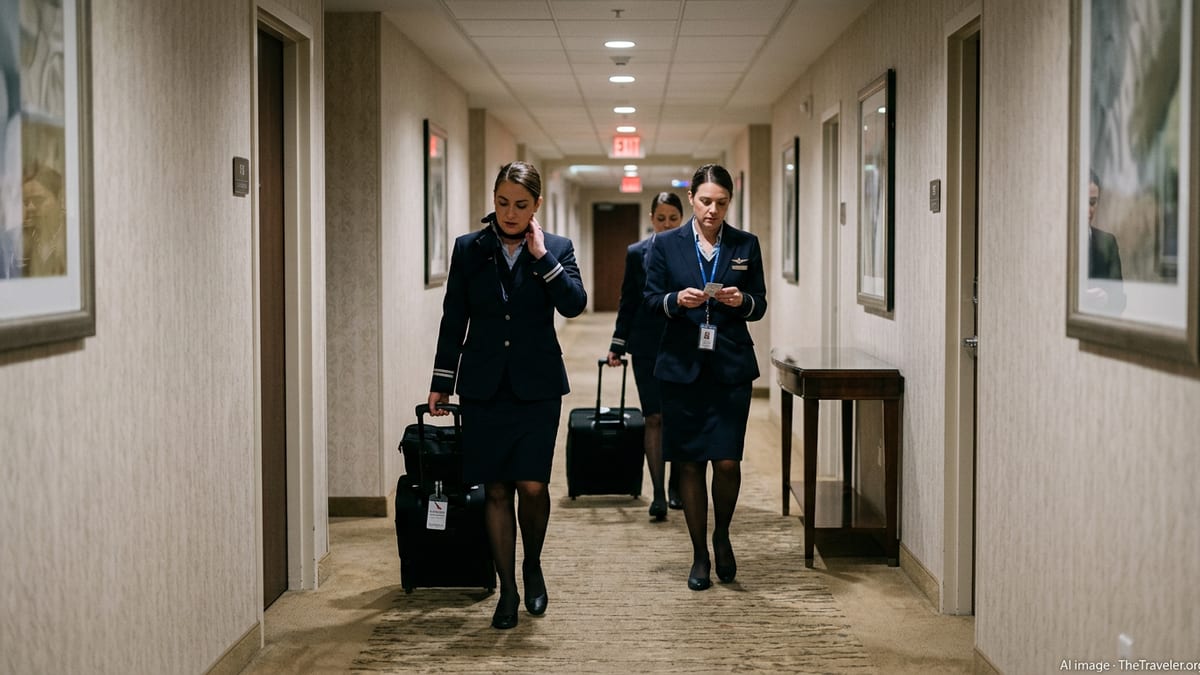
Viral warnings put in-flight sleep habits under scrutiny
Recent reports and social media discussions have amplified flight attendants’ cautions for passengers who fall asleep shortly after takeoff or remain deeply asleep throughout the flight. While many travelers see an uninterrupted nap as the ideal way to endure long journeys, cabin crew perspectives circulating online argue that some common sleep habits can create avoidable problems.
Coverage across travel and lifestyle outlets notes that crew members increasingly use public platforms to explain what they observe when passengers are completely unresponsive during critical phases of flight. In many of these accounts, the main concern is not that travelers sleep, but how and when they do it, especially if it interferes with safety checks, circulation, or access to medical help.
The renewed focus comes at a time when more travelers are booking overnight and ultra-long-haul flights and actively seeking ways to sleep through them, from eye masks and neck pillows to prescription sleep aids. As that trend grows, cabin crew commentary is underscoring that sleeping on board carries its own set of risks if passengers are not strategic.
Publicly available medical and aviation guidance points to a broader context: long periods of immobility, disrupted body clocks, and low cabin humidity can affect circulation and alertness, which becomes more significant when passengers are fully asleep for hours at a time.
Health concerns: circulation, ear pressure, and deep sleep
A central warning repeated in recent advice involves the impact of sleeping through takeoff and landing on the ears. When passengers fall asleep before takeoff and remain asleep as the aircraft rapidly climbs or descends, they may fail to equalize pressure, which can lead to pain, temporary hearing issues, or longer-lasting discomfort, according to health information sites that track air travel risks.
Cabin crew commentary highlighted in travel coverage also draws attention to circulation. Remaining in a fixed, cramped position for extended periods can contribute to swelling in the legs and, in rare cases, raise the risk of deep vein thrombosis on longer flights. Health agencies advise passengers to move their feet, flex their legs, and periodically walk the aisle when possible to keep blood flowing, a practice that is difficult to follow when travelers are heavily sedated or determined not to wake up for the duration of the flight.
Sleep experts and public health resources emphasize that the low humidity and restricted movement typical of airline cabins can compound fatigue and dehydration. Passengers who combine alcohol with sleep medication or strong sedatives before nodding off may find it harder to wake if crew need to reach them, or may experience grogginess that makes it more challenging to follow instructions in the event of a disruption.
Guidance compiled by national and international health bodies on jet lag and fatigue management also recommends that travelers avoid relying solely on medication to sleep and instead use lighter strategies, such as eye masks, earplugs, and gradual schedule adjustments before flying.
Safety and etiquette: when deep sleep becomes an issue
Reports from travel publications and online forums show that some of the strongest advice from cabin crew relates to safety and basic etiquette rather than the act of sleeping itself. Flight attendants describe challenges when passengers sleep so deeply that they do not respond to repeated attempts to wake them for safety checks, such as ensuring seat backs are upright, seat belts are fastened and visible, and aisles are clear during taxi, takeoff, and landing.
Online discussions among frequent fliers and crew members indicate that conflicts sometimes arise when passengers wake up upset about missing meal service or drinks. Several threads suggest that passengers who plan to sleep through large portions of a flight can reduce misunderstandings by telling crew in advance if they do not want to be disturbed, or by keeping seat belts fastened and visible over blankets so safety checks can be completed without waking them.
Cabin crew accounts also point to practical considerations in tight spaces. Passengers who fall asleep with limbs, bags, or blankets extending into the aisle can inadvertently create trip hazards for other travelers and crew, particularly during low-light overnight services. In turbulence, blocked aisles may slow down movement or complicate access to passengers who need assistance.
Industry and regulatory information stresses that safety in the cabin depends on clear communication and quick responses during unusual situations. When travelers are in a very deep sleep, crew may have to work harder and take more time to get them oriented during an evacuation or medical event, which is one reason flight attendants caution against being fully unreachable for long stretches.
Balancing comfort with better in-flight sleep practices
Despite the warnings, publicly available advice from both health specialists and aviation sources agrees that sleeping on planes is not inherently problematic. In fact, rest can help travelers better manage jet lag and arrive less fatigued, provided they use strategies that support circulation, comfort, and responsiveness.
Travel and wellness guides suggest focusing on posture and support rather than unconscious duration. Neck pillows that keep the head from flopping forward, light layers that regulate body temperature, and aisle-side legroom that does not obstruct movement can make it easier to doze without waking in pain or stiffness. Some flight attendants featured in lifestyle coverage recommend loosening footwear, avoiding tight clothing around the waist, and drinking water regularly to offset the dehydrating effects of cabin air.
Science-based sleep resources add that aligning in-flight sleep with the destination time zone, when possible, may help travelers adapt more quickly on arrival. This typically means trying to nap or rest during nighttime hours at the destination while still allowing for brief movement breaks, especially on flights longer than four hours.
For travelers who are anxious about flying or struggle to sleep without medication, medical sources advise consulting a healthcare professional before using prescription or over-the-counter sleep aids in the air. Combining sedatives with alcohol is widely discouraged, as it can intensify drowsiness and dehydration while making it harder for crew to get a clear sense of a passenger’s condition if a health concern arises.
What travelers can do before drifting off
Based on the emerging advice, the message from cabin crew and travel health resources is not to avoid sleep altogether, but to prepare before dozing off. Passengers are encouraged to fasten their seat belt over any blanket so it remains visible, place bags fully under the seat or in overhead bins, and keep arms and legs clear of the aisle.
Travelers who know they are heavy sleepers or plan to wear noise-canceling headphones can briefly let crew know if they prefer not to be woken for meals, while understanding that safety requirements may still require a tap on the shoulder during key phases of the flight. Choosing a window seat, where available, can reduce the likelihood of being disturbed by seatmates who need to move around.
Experts in jet lag and cabin health point out that a few simple choices before sleep, such as adjusting the seat to a comfortable but compliant position, sipping water instead of another alcoholic drink, and setting a watch or phone to the destination time, can improve both rest and safety outcomes.
As more travelers share experiences and crew members explain their perspective in public forums, the core message is becoming clearer: sleeping on a plane can be beneficial, but doing it thoughtfully helps protect comfort, health, and safety for everyone on board.
Sources:
National Geographic: Trouble sleeping on planes?
CDC Yellow Book: Jet lag and sleep guidance
Federal Aviation Administration: Flying Safe
Travel + Leisure: How to actually sleep on a long flight