


More news on this day
The United States has reissued a Level 3 “Reconsider Travel” advisory for Israel and the West Bank, highlighting ongoing security risks from terrorism, unrest, and movement restrictions as regional tensions remain elevated.
Get the latest news straight to your inbox!
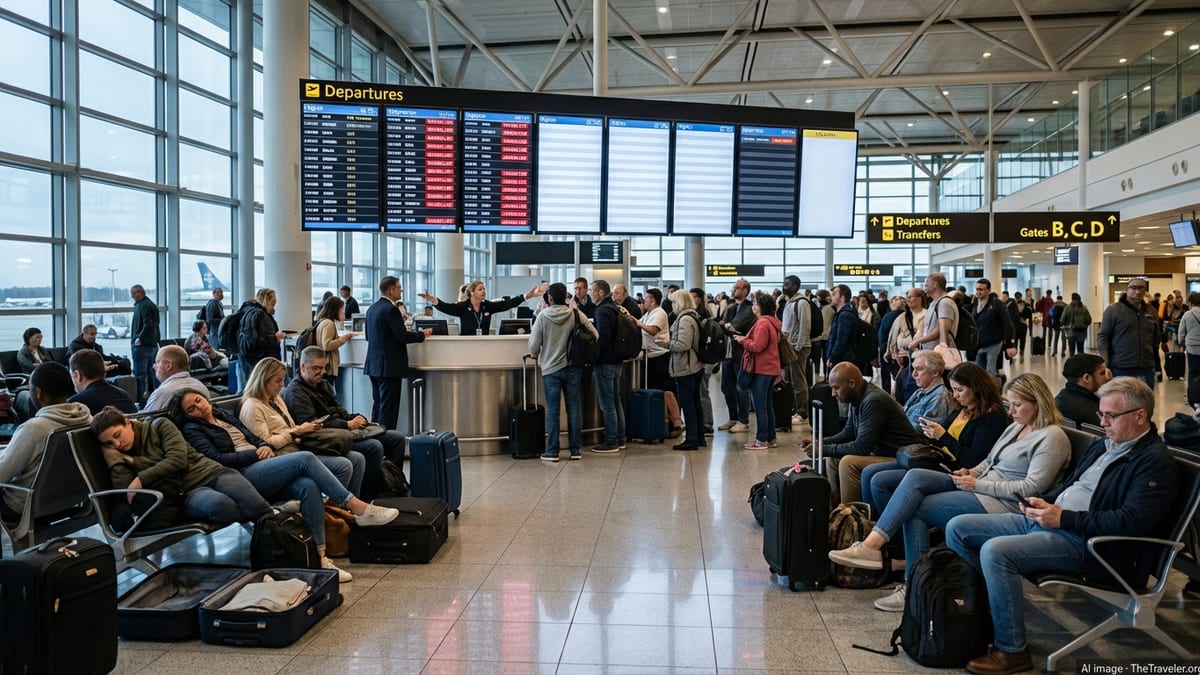
Advisory Reissued for Israel and the West Bank
According to publicly available information on the U.S. State Department’s travel advisory portal, Israel and the West Bank are listed at Level 3, which urges travelers to reconsider travel due to terrorism and unrest. The updated notices, dated August 26, 2026, apply separately to Israel and to the West Bank but share the same overall risk level designation.
Level 3 is defined in federal guidance as an alert where significant safety and security risks are present, and trips may need to be postponed, shortened, or reconsidered entirely. This level sits just below Level 4 “Do Not Travel,” which is currently applied to Gaza in the same regional advisory package.
Recent coverage of the advisory changes indicates that the latest notice represents a reissued statement rather than a new escalation in the numerical level for Israel and the West Bank. However, the language has been updated to reflect evolving conditions, particularly regarding health indicators in Gaza and practical restrictions on movement for U.S. government personnel and their families.
Key Risk Factors Behind the Level 3 Rating
Publicly available State Department material cites terrorism and unrest as the principal drivers of the Level 3 rating for both Israel and the West Bank. The security environment is characterized as complex and subject to rapid change, with the potential for violence and disruptions occurring with little or no warning.
In Israel, government advisories continue to reference the risk of terrorist attacks and other security incidents, as well as periodic armed conflict, particularly in areas close to Gaza and along sections of the northern and southern borders. The guidance notes that rising regional tensions can affect commercial aviation, with the possibility of sudden flight cancellations or route adjustments.
For the West Bank, official travel information highlights an increase in terrorist attacks, military operations, and clashes that have, in some instances, resulted in casualties among civilians, including foreign nationals. Access restrictions, curfews, and intermittent closures of key checkpoints are also noted as factors that can significantly alter the travel landscape from day to day.
Restrictions on U.S. Government Personnel and Movement
The advisory updates include detailed limitations on the movement of U.S. government employees working in Israel, which are often seen by travel analysts as a barometer for broader security concerns. Current guidance indicates that employees must obtain special authorization for official travel to the West Bank due to safety risks, and there are extensive restrictions on their personal travel there.
Publicly posted instructions state that personal trips by these employees and their family members into the West Bank are largely prohibited, with limited exceptions. Travel on certain major routes, as well as tightly defined access to cities such as Jericho and Bethlehem during specified hours, is permitted, but subject to strict routing and checkpoint conditions.
Within Israel, government workers face additional no-go zones in areas close to Gaza, along the Israel Egypt border apart from the Taba crossing, and in parts of the north affected by armed conflict. These measures are presented as precautionary steps in response to heightened security risks and may be adjusted with little notice, underscoring the volatility of conditions on the ground.
Implications for International Travelers and Tourism
For leisure and business travelers, the Level 3 advisory does not impose a legal ban on visiting Israel or the West Bank, but it signals that trips should be carefully evaluated in light of security conditions. Public guidance encourages prospective visitors to closely follow destination-specific advisories, review airline and airport updates, and maintain flexible itineraries that can adapt to sudden changes.
Travel risk specialists note that the Level 3 classification can affect planning in several ways, from employer travel policies that restrict staff trips to high-risk locations to insurance coverage that may change once an advisory reaches a certain threshold. Some travel insurance products reference government warnings when determining what disruptions are covered, prompting recommendations that travelers review policy terms before departure.
The tourism sector in Israel has historically shown resilience during periods of tension, with operators adjusting routes, security protocols, and cancellation policies in response to changing advisories. However, the continued presence of a Level 3 rating, combined with a Level 4 warning for nearby Gaza, points to an environment where risk management remains a central consideration for tour companies, conference organizers, and independent travelers alike.
Planning, Precautions, and Available Resources
Public information from U.S. government portals encourages travelers who still decide to visit Israel or the West Bank to take a range of precautions, including maintaining heightened situational awareness, avoiding demonstrations and large crowds, and preparing personal contingency plans that do not rely solely on consular assistance.
Travelers are advised in official materials to monitor local media, follow instructions from security services, locate nearby shelters in case of rocket or missile alerts, and be prepared for temporary closures of transportation routes, checkpoints, and border crossings. When moving through rural or less frequented areas, guidance also highlights the potential presence of unexploded ordnance as an additional safety concern.
In addition, widely circulated federal resources recommend that travelers enroll in the Smart Traveler Enrollment Program, which allows embassies and consulates to send security updates and facilitates contact in emergencies. Government sites also suggest considering comprehensive travel insurance, including evacuation and medical coverage, and consulting health advisories that take into account the distinct conditions in Israel, the West Bank, and Gaza.
For up to date information, travelers are directed through public channels to the State Department’s travel advisory pages, the Israel, West Bank and Gaza country information page, and the general U.S. government portal that explains how advisory levels work and what each level means for trip planning.
U.S. State Department Israel Travel Advisory
U.S. State Department West Bank Travel Advisory
Israel, West Bank and Gaza Country Information