


More news on this day
A magnitude 5.7 earthquake shook Japan’s Shizuoka Prefecture in the early hours of November 8, injuring at least 20 people and briefly rattling transport and residents across central Honshu. As images of damaged shopfronts and late-night evacuations circulate globally, many would-be visitors are asking whether it is still safe to travel to Japan in the days and weeks after the Shizuoka quake.
Get the latest news straight to your inbox!
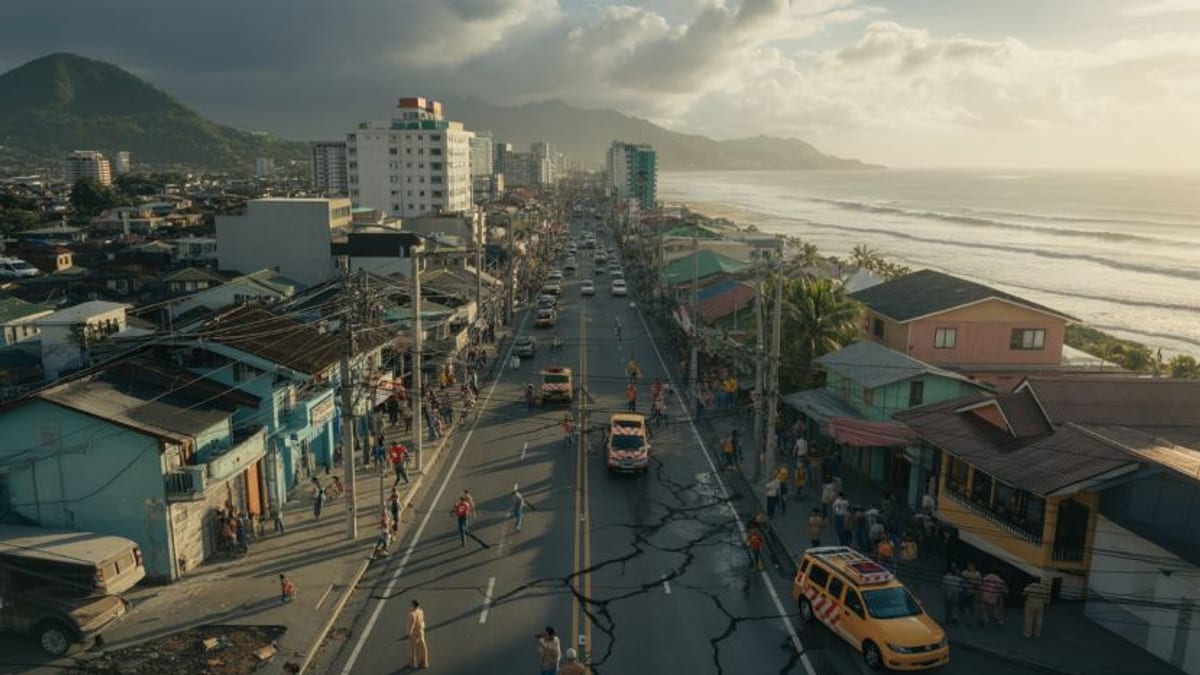
What Happened in Shizuoka and Where the Damage Is
According to publicly available seismic data, the November 8 event struck western Shizuoka Prefecture shortly after 1 a.m. local time, registering magnitude 5.7 with a local intensity of upper 5 on Japan’s shindo scale in the hardest hit communities. Early tallies reported around 20 injuries, mostly from falls or broken glass, and some isolated damage to buildings such as shattered windows and dislodged interior fixtures. No tsunami warning was issued, and power and water outages were localized rather than widespread.
Central Shizuoka sits on the Pacific side of Honshu between Tokyo and Nagoya, along the busy Tokaido transport corridor. Initial disruption was concentrated in neighborhoods closest to the epicenter, while nearby cities reported stronger shaking than usual but limited structural damage. By later on November 8, domestic media coverage indicated that inspections were underway on key roads and rail lines, and that most urban infrastructure across the wider region remained functional.
Shizuoka’s experience is consistent with the way Japan’s modern building codes and infrastructure are designed to cope with medium to strong earthquakes. Reinforced construction standards, automatic shutdown systems on high-speed rail, and rapid inspections typically allow essential services to resume after safety checks unless there is major structural damage. Current reports do not indicate regionwide collapse or long-term closure of core transport links.
Current Government Travel Advisories for Japan
International travel advisories provide a useful baseline for gauging country-level risk. As of early November 2026, the United States travel advisory for Japan remains at Level 1, the lowest category, which recommends travelers exercise normal precautions. The advisory highlights general considerations such as natural disasters and seasonal weather, but it has not been raised in response to the Shizuoka quake.
Other governments give similar guidance. The United Kingdom’s foreign travel advice for Japan, updated in late August and still current on November 7, notes the country’s exposure to earthquakes, tsunamis and typhoons but does not call for avoiding travel. Regional risk pages advise visitors to monitor local information and follow guidance during seismic or weather events, rather than cancelling trips outright.
Canada’s official travel page for Japan, last revised in late October, also keeps its overall risk level unchanged while reminding travelers that earthquakes and tsunamis can occur with little warning. Australia’s Smartraveller guidance, current as of November 8, emphasizes preparedness and awareness, particularly in coastal and mountainous areas, but continues to regard Japan as a generally safe destination.
In all of these advisories, the Shizuoka quake is treated within a broader pattern of frequent but mostly manageable seismic activity in Japan. Travelers are urged to stay informed and plan for contingencies, but there is no widespread call from major governments to defer leisure travel to the country.
Impact on Transport and Major Tourist Areas
In the immediate aftermath of a felt earthquake, trains and some highways in Japan often halt automatically for inspections. Initial Japanese media reports following the Shizuoka tremor indicate that this pattern repeated: some services were temporarily paused overnight while tracks and structures were checked, then resumed once safety was confirmed. No prolonged shutdown of the Tokaido Shinkansen, the main bullet-train line linking Tokyo, Shizuoka, Nagoya, Kyoto and Osaka, has been reported.
Tokyo, Osaka, Kyoto, Hiroshima, Hokkaido and Okinawa, which together account for the bulk of international leisure travel, are located outside the immediate Shizuoka epicentral area. Available information shows that airports, urban rail networks and major attractions in these cities are operating normally following the quake. Japan’s tourism information services point out that, in past earthquakes of similar or greater strength, most major sightseeing hubs resumed regular activity quickly once checks were completed.
Localized effects are more likely along sections of the Pacific coastline and in smaller communities closer to the epicenter, where minor damage or road closures can take longer to clear. Travelers with plans in Shizuoka City, Hamamatsu or coastal hot spring towns should check their accommodation’s latest updates and confirm local transport before arrival. If official channels in Japan announce specific closures of sites or segments of rail, those will generally be listed in Japanese and, increasingly, in English on transport operator websites and station notices.
Crucially, there has been no indication that tourism to Japan as a whole is being discouraged or that inbound visitors are being turned away following the Shizuoka quake. Flights to Tokyo and other major gateways are operating to schedule, subject to the usual global factors unrelated to the earthquake.
How Japan Manages Earthquake Risk for Visitors
Japan sits along the seismically active Pacific Ring of Fire and experiences thousands of earthquakes each year, most of them too small to be noticed. In response, the country has invested heavily in preparedness. Strict modern building standards are designed to allow structures to flex rather than collapse, early warning systems push alerts to mobile phones and public screens, and transport systems are equipped with automatic shutdowns that trigger when shaking is detected.
Japan’s national tourism organization maintains dedicated “safe travel” resources that explain, in multiple languages, what to do before, during and after an earthquake, and how to interpret common alerts. Guidance stresses simple steps for visitors: know the nearest evacuation staircase or open space, secure loose luggage in your room, keep a small emergency kit with water and a portable battery, and follow on-site instructions broadcast at hotels and stations if shaking occurs.
Government and municipal sites also highlight digital tools, such as disaster-prevention apps supervised by Japanese agencies, which provide earthquake and tsunami notifications alongside weather warnings. Travelers are encouraged to enable location services and alerts on their phones while in Japan so that they receive timely information if conditions change.
Experience from other recent quakes, including stronger events in Kyushu and northeastern Japan, indicates that while local disruption can be serious near an epicenter, the wider tourism network tends to rebound quickly. In many past cases, accommodations and attractions in unaffected regions continued operating as usual, even while repair and recovery efforts proceeded in the hardest hit communities.
Practical Advice for Travelers Considering Trips Now
For visitors scheduled to travel to Japan in November and December 2026, the available evidence suggests that trips can generally go ahead, including itineraries that pass through Shizuoka Prefecture. The key is preparation rather than avoidance. Travelers should review their own government’s latest Japan advisory, ensure they hold comprehensive travel insurance that includes natural disasters, and register their trip if their country offers a traveler enrollment program.
Before departure, it is prudent to confirm bookings with any hotels in Shizuoka or neighboring coastal cities and ask, where possible, whether facilities are operating as normal after the quake. Rail passes and seat reservations can still be purchased for the main intercity routes, but travelers should allow extra time for potential delays if aftershocks prompt temporary halts or inspections along the corridor.
Once in Japan, monitoring local media and official information channels is important. Visitors can keep an eye on earthquake and tsunami updates from the Japan Meteorological Agency, heed any municipal advisories, and pay attention to multilingual announcements at stations and airports. If a significant aftershock occurs, moving away from shelves and windows, following staff directions and waiting calmly for services to restart remain the standard safety steps.
Ultimately, seismic risk is an inherent part of visiting Japan, but current information after the Shizuoka quake indicates that it has not fundamentally altered the safety profile of the country for international tourists. With situational awareness, flexible planning and respect for local guidance, most travelers can continue with their Japan journeys while staying sensitive to conditions in affected communities.