


More news on this day
British holidaymakers eyeing late-season Mediterranean breaks are being urged to rethink their plans after the UK Foreign Office reiterated a strict “do not travel” warning for parts of Lebanon, a destination once popular for cultural city breaks and coastal escapes.
Get the latest news straight to your inbox!
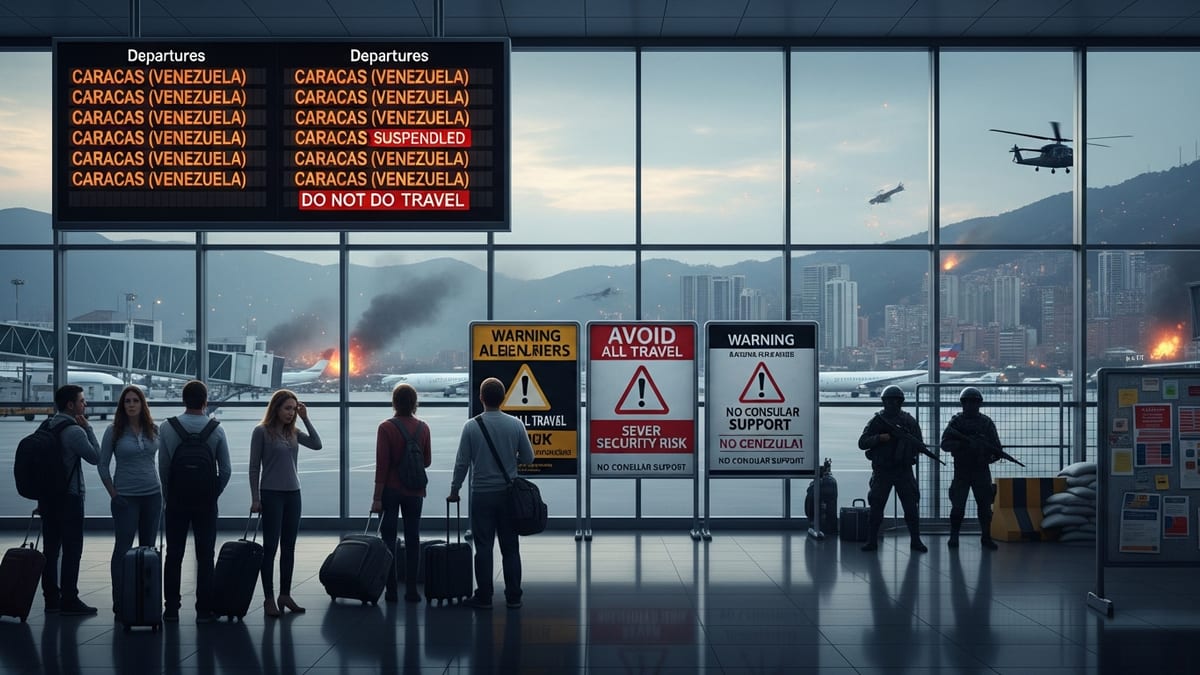
Renewed warning targets a once-popular escape
According to recently updated Foreign Office travel advice, Lebanon remains subject to some of the UK government’s most stringent guidance, with specific areas designated as locations where travel should not take place under any circumstances. Publicly available information shows that the advisory, refreshed in August 2026 and still in force this week, highlights ongoing security concerns that can affect both major cities and regions close to the country’s borders.
Reports indicate that the notice distinguishes between zones where all travel is advised against and other parts of the country where only essential journeys should be considered. The language used for the highest-risk areas is explicit and mirrors the “do not travel” terminology that has become familiar from official notices relating to conflict-affected destinations such as Afghanistan and Ukraine.
Published coverage notes that, before the deterioration in security conditions, Lebanon had been marketed widely as a short-break destination combining cosmopolitan Beirut with Mediterranean beaches and mountain retreats. The current guidance, however, places significant constraints on leisure visits, particularly for those planning independent trips that involve overland travel across different regions of the country.
Travel industry briefings reviewed in recent days suggest that tour operators and airlines continue to monitor the situation closely, with some packages having been rerouted or suspended in response to ongoing risk assessments. Travellers who had viewed Lebanon as an alternative to more crowded Mediterranean resorts are now being encouraged to check the latest Foreign Office pages before committing to bookings.
Security risks behind the “do not travel” designation
Public advisories from several governments describe a mix of risks underpinning the heightened warning for Lebanon. These include the potential for armed clashes, missile or drone fire in border areas and an elevated likelihood of civil unrest in and around major urban centres. Travel risk bulletins produced for corporate and government clients emphasise that the security environment can shift quickly, with little or no advance notice.
Information compiled by international travel advisory trackers places Lebanon among a group of destinations categorised at the highest risk level, alongside countries where there are active conflicts or widespread instability. In these locations, foreign governments frequently note that they may have limited ability to provide emergency consular assistance, particularly outside capital cities or in regions controlled by non-state armed groups.
Analysts who follow the region point out that the current status is part of a broader pattern of elevated alerts across parts of the Middle East. Executive summaries produced for the travel and hospitality sector in 2026 reference a sustained period of tension, with multiple states assigned “do not travel” or equivalent warnings by Western governments.
For prospective visitors, the practical impact is significant. In addition to the security considerations described in the advisories, comprehensive travel insurance often becomes difficult to obtain for trips to areas subject to “do not travel” notices. Policy documents from major travel insurers and high-end tour operators state that cover may be restricted or void if customers choose to visit destinations that are under the most severe official warnings at the time of travel.
Impact on holidaymakers and existing bookings
For British travellers who have already booked trips to Lebanon, the strengthened Foreign Office language raises immediate questions about cancellations, refunds and alternative arrangements. Consumer rights guidance linked to package travel regulations indicates that, where government advice changes to warn against travel to a destination, customers may be entitled to postpone or rebook without penalty through their tour operator.
Some long-haul specialists and adventure operators outline in their booking conditions that they will normally follow Foreign Office recommendations. Publicly available terms seen in recent days explain that if the UK government advises that people should not visit a particular country, companies may cancel departures and offer clients a choice of credit, deferred travel dates or a different destination of comparable value.
Travellers who have made independent arrangements, such as booking flights and accommodation separately, face a more complex landscape. In these cases, individual airline and hotel policies become critical. While some carriers have, in other recent crises, introduced flexible change waivers for destinations under severe travel advisories, others have applied standard fare rules, leaving passengers reliant on any cover offered by their travel insurance.
Insurance policies vary, but many contain specific clauses referencing official government travel advice. If a policy excludes trips taken against a “do not travel” warning, travellers may find that claims related to cancellation or disruption are not accepted. Industry bodies therefore urge holidaymakers to review their policy wording carefully and to obtain written confirmation from insurers where there is any uncertainty about cover.
How the Lebanon warning fits into wider global advisories
The latest Lebanon alert sits alongside a wider map of travel advisories that has grown more complex over the course of 2026. Data published by advisory tracking services shows that a number of destinations are currently subject to the highest-level warnings by Western governments, reflecting active conflicts, political crises or severe public-safety concerns.
The UK Foreign Office continues to advise against all travel to Afghanistan, for example, with its most recent update reiterating that there is no British embassy in the country and that consular assistance is extremely limited. The situation in parts of the Democratic Republic of the Congo, Yemen and other long‑troubled regions remains similarly severe, keeping them firmly off the mainstream tourism map.
Alongside these conflict-affected states, more targeted “do not travel” designations have been introduced for specific regions within otherwise accessible destinations. Recent U.S. advisories, for instance, identify parts of Cambodia near the Thai border and selected areas of the Philippines as locations to avoid entirely because of heightened security concerns, even while other regions of those countries remain open to tourism.
For holidaymakers trying to navigate this patchwork of warnings, travel analysts suggest focusing not only on whether a country is technically open but also on how quickly its risk profile has been changing. Destinations that have seen multiple advisory revisions in a short period may warrant particular caution, as conditions on the ground can alter faster than scheduled trips can be rearranged.
What prospective travellers should do now
With Lebanon’s status now firmly in the highest risk category for parts of the country, experts in travel risk management emphasise that would‑be visitors should take time to review current guidance in detail. That includes checking the specific districts and routes covered by the Foreign Office warning, rather than relying solely on headline summaries that may not distinguish between different areas.
Holidaymakers are also encouraged to contact their travel providers to clarify options if their plans are affected. Airlines, hotels and tour operators can explain whether they are offering fee‑free changes, refunds or credits in light of the advisory, and whether any decisions need to be made by a particular deadline before standard terms and conditions resume.
For those still in the planning stage, the latest notices underline the value of choosing flexible, changeable bookings and comprehensive insurance that explicitly addresses government travel advisories. Travel trade publications reviewing recent crises have highlighted cases where travellers with fully flexible arrangements were able to switch destinations quickly when the security picture changed, avoiding significant financial loss.
Ultimately, the renewed “do not travel” warning for parts of Lebanon underscores how swiftly a once-straightforward Mediterranean holiday choice can become a complex proposition. As global advisories continue to evolve, British travellers are being reminded that checking official guidance is now an essential step in planning any overseas trip, particularly to regions where political and security conditions remain fragile.