


More news on this day
The UK Foreign, Commonwealth and Development Office has issued updated travel advice for Mexico as Category 5 Hurricane Polo moves toward the country’s Pacific coast, warning that one of the most powerful storms ever recorded in the region could bring life‑threatening flooding, landslides and severe disruption to popular holiday areas.
Get the latest news straight to your inbox!
Category 5 Hurricane Polo prompts updated UK travel advice
According to recent media coverage and official UK travel advisories, Hurricane Polo has intensified into a Category 5 system in the eastern Pacific, with maximum sustained winds reported above 157 miles per hour and a projected path toward southern and southwestern Mexico within days.
Reports indicate that the storm, described in some coverage as likely to be one of the strongest ever observed in the Pacific basin, could generate destructive winds, intense rainfall and dangerous storm surge affecting coastal communities and resort areas along Mexico’s Pacific shoreline.
The Foreign, Commonwealth and Development Office (FCDO) has highlighted the risk of extreme weather impacts on infrastructure, including power cuts, damage to roads and bridges, and disruption to communications, advising British nationals to closely follow local updates and to be prepared for rapidly changing conditions.
In line with its general guidance on extreme weather and natural hazards, the FCDO notes that its ability to assist travellers may be limited in areas experiencing severe storm conditions, particularly where access routes are cut or local emergency services are overstretched.
Areas of Mexico highlighted and potential impact on holiday plans
Mexico’s Pacific coast is a major destination for UK visitors, with resort regions in states such as Oaxaca and Guerrero typically attracting tourists for beach holidays and cultural trips at this time of year. Current travel advice for Mexico already advises caution in certain regions for security reasons, and the approach of Hurricane Polo adds a further layer of risk in the short term.
Publicly available travel advice notes that heavy rain associated with powerful tropical systems can trigger flash flooding and landslides, particularly in mountainous inland areas and on poorly maintained roads. Low‑lying coastal zones and beachfront properties are susceptible to storm surge and large waves, which can damage hotels, beach infrastructure and coastal highways.
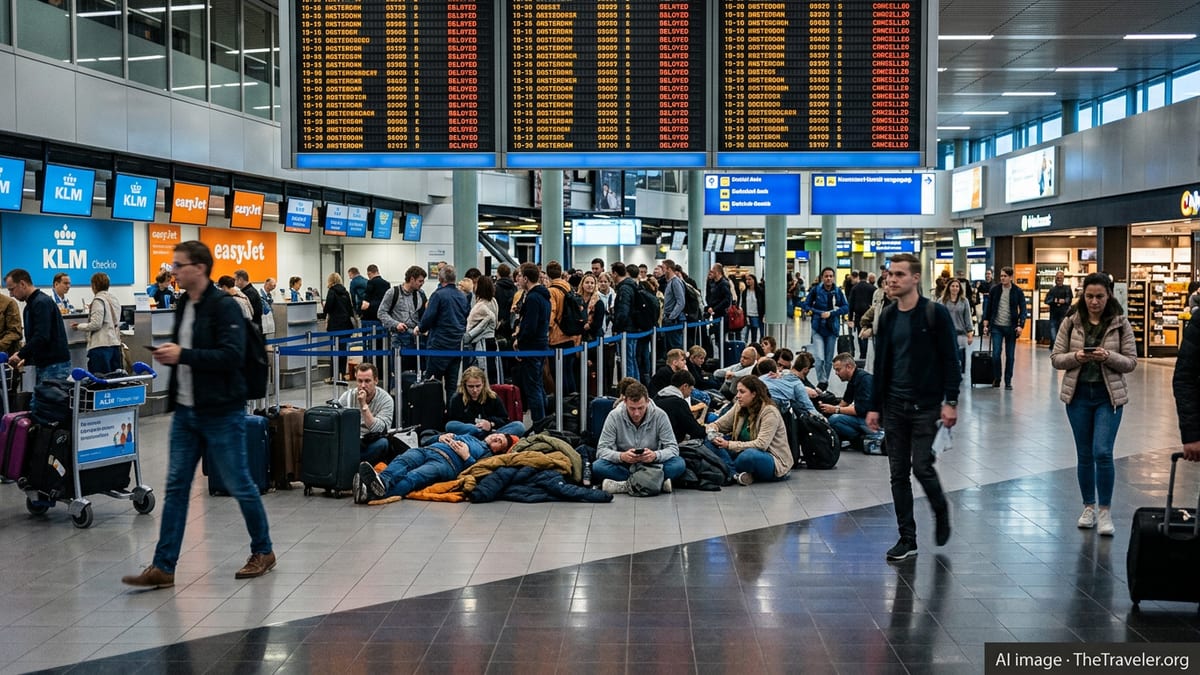
Air travel is also likely to be affected. During previous major storms in the region, airports have reduced schedules or temporarily suspended operations as a precaution, and airlines have adjusted or cancelled flights into and out of affected cities. Travellers heading for Mexico in the coming days are being urged in media reports to monitor airline communications closely and to check the latest information from tour operators before setting out.
Those already in resort areas along the projected path are being advised in published guidance to follow instructions from local authorities, be prepared to move to designated shelters if required, and remain indoors and away from windows once hazardous conditions begin.
Guidance for travellers currently in Mexico
The Mexico travel advice pages on the UK government’s website emphasise that visitors should keep a close eye on local weather forecasts and official announcements during hurricane season and ensure they understand the emergency procedures in their accommodation.
Travellers are encouraged in public guidance to locate evacuation routes, identify the safest areas of their hotel or guesthouse, and keep essential items such as passports, travel insurance details, medication, water, snacks and a fully charged power bank readily accessible in case they need to move at short notice.
Where safe to do so ahead of the storm’s arrival, visitors are advised to withdraw sufficient cash, as card payment systems and ATMs can be disrupted by prolonged power outages. Reliable advice also recommends topping up fuel in hire cars, securing loose objects on balconies or terraces, and avoiding unnecessary journeys once heavy rain and strong winds begin.
Reports based on existing FCDO guidance stress that British nationals should make use of any hotel briefings or written instructions about hurricane procedures and should inform family or friends in the UK of their whereabouts and plans in case communications are interrupted after landfall.
Advice for those with upcoming trips to Mexico
For travellers who have not yet departed, the evolving situation around Hurricane Polo raises questions over whether to postpone or reroute holidays. Current FCDO travel advice for Mexico, alongside wider guidance on extreme weather, encourages travellers to check the latest official updates shortly before departure and to discuss options with airlines, tour operators and travel agents.
Published storm preparedness information notes that transport links, including regional airports, ports and highways, may remain impacted for some time even after the most severe weather has passed, as authorities work to clear debris and assess damage. This can affect connecting flights, onward journeys to smaller resorts and excursions to rural areas.
Travel insurance documents typically include specific terms related to natural disasters and severe weather. Travellers are being urged in consumer and travel industry coverage to review their policies carefully to understand what is and is not covered if they decide to cancel, delay or cut short a trip because of the hurricane.
Those planning trips to unaffected parts of Mexico or to travel later in the season are still being advised to take the hurricane risk into account, to keep flexible itineraries where possible and to ensure that accommodation and transport bookings can be changed if conditions worsen.
Hurricane season context and long‑term risk trends
The situation around Hurricane Polo is unfolding in the broader context of the eastern Pacific and Atlantic hurricane seasons, which typically run from late spring through November, with activity often peaking in September and October according to climatological records referenced in official guidance.
Travel advice from governments and meteorological agencies consistently highlights tropical cyclones as a significant seasonal hazard for destinations across the Caribbean, Gulf of Mexico and Pacific coasts, noting that even storms that do not make a direct landfall can generate dangerous surf, rip currents and coastal flooding far from their centre.
Recent years have seen a series of powerful cyclones around the world, and publicly available scientific assessments link warmer ocean temperatures to the potential for more intense storms with higher rainfall totals. Tourism businesses along vulnerable coastlines have increasingly incorporated hurricane‑resilient construction and evacuation planning into their operations.
For international travellers, the latest warning from the UK Foreign Office regarding Hurricane Polo underlines the importance of factoring extreme weather into destination choices, booking terms and on‑the‑ground safety preparations whenever trips coincide with hurricane season in any region.