


From the sun-baked plains of central Spain to the Atlantic-facing cities of Portugal, a journey across the Iberian Peninsula reveals remarkable changes in scenery, culture and cuisine. Travelling through Madrid, Seville, Córdoba, Porto and Lisbon by rail offers an easy way to experience these contrasts while enjoying historic landmarks, lively neighbourhoods, regional food and some of the most memorable landscapes in Spain and Portugal.
A Journey Across Two Distinct Horizons
Iberia is a region of contrasts, where dry inland plains gradually give way to orange groves, Atlantic cliffs and lively waterfront cities. Spain and Portugal share a long history of cultural exchange, yet each has developed a distinct identity expressed through architecture, food, music and everyday life.
Travelling across the peninsula by rail offers an appealing way to experience those differences. Instead of treating Madrid, Seville, Porto and Lisbon as isolated city breaks, a connected itinerary reveals how landscapes and traditions change from one side of Iberia to the other.
Madrid Beneath a Wide Castilian Sky
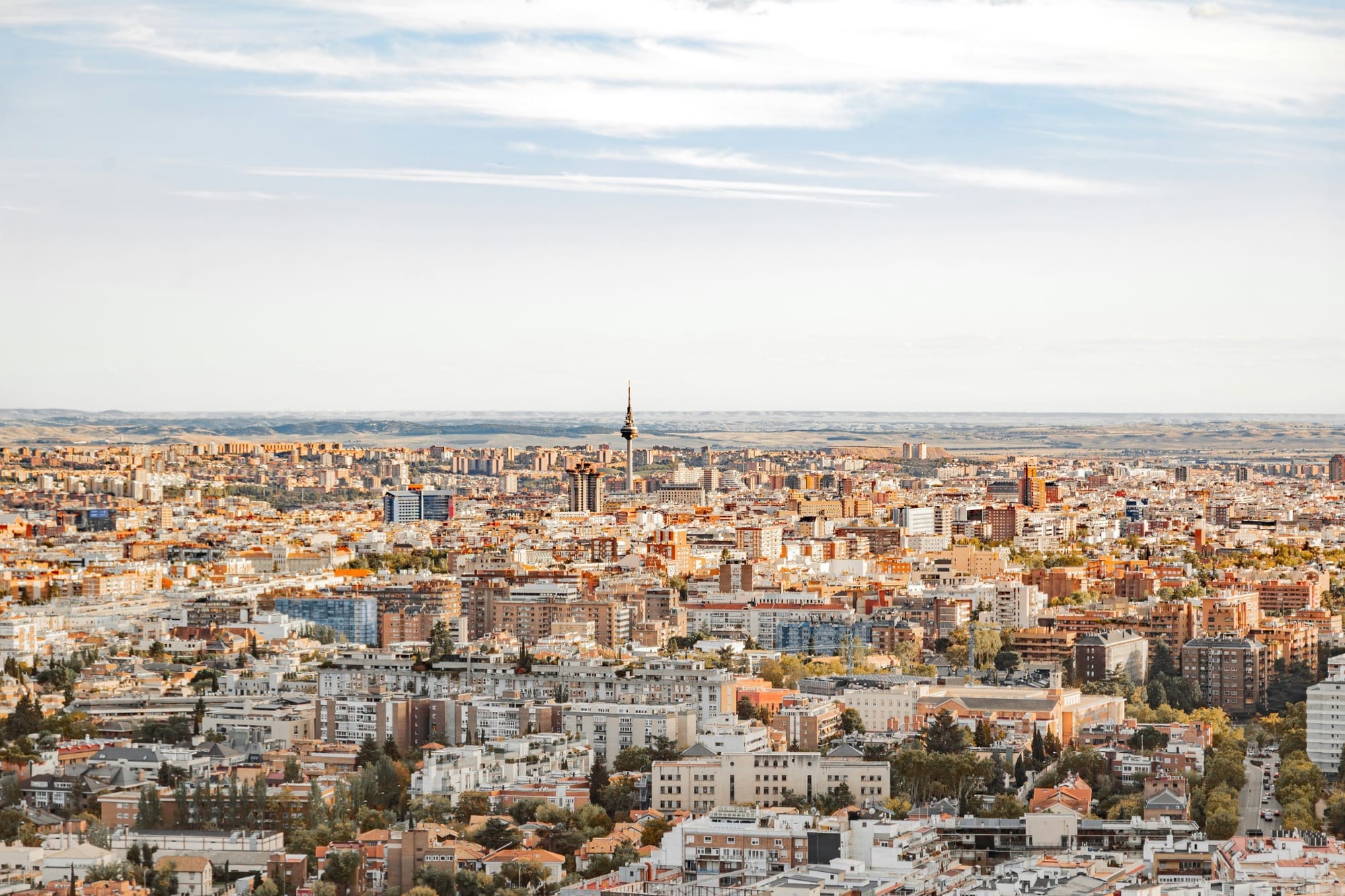
Spain's capital rises from the heart of the Castilian plateau, surrounded by a landscape that feels noticeably drier and more expansive than the Mediterranean coast. Madrid itself is energetic, elegant and full of grand avenues, leafy parks and lively neighbourhoods.
The Prado Museum houses one of Europe's great collections of European art, while the Royal Palace provides a glimpse into the country's royal history. Yet Madrid's character is equally apparent in its everyday spaces. Locals gather around terraces in neighbourhoods such as Malasaña and La Latina, while the Mercado de San Miguel offers an introduction to Spanish ingredients and small plates.
Retiro Park provides a peaceful counterpoint to the busy centre. Its broad paths, ornamental gardens and lake make it easy to spend an unhurried afternoon beneath the city's often brilliant skies.
South Through Andalucía
The Madrid to Seville train provides a fast transition from the central plateau to southern Spain. Outside the window, the landscape gradually changes, with olive groves and warmer-toned countryside becoming increasingly prominent as the route approaches Andalucía.
Seville has a distinctly different rhythm. The city is shaped by courtyards, tiled façades, orange trees and the broad Guadalquivir River. The Giralda tower rises above the historic centre, while the Real Alcázar combines Islamic, Gothic, Renaissance and Mudéjar influences within an extraordinary collection of palaces and gardens.
Evenings belong to the plazas and tapas bars. Small plates arrive alongside glasses of local wine, while the sound of conversation fills streets that remain lively long after sunset.
Córdoba's Layered Past
A short journey from Seville leads towards Córdoba, one of Andalucía's most fascinating historic cities. The Mezquita-Catedral dominates the old quarter with its forest of arches and columns, revealing the complex religious and political history of the region.
Beyond the monument, whitewashed streets wind between flower-filled courtyards and small squares. The Jewish Quarter retains a maze-like character, with narrow lanes leading towards the ancient synagogue and traditional houses.
Spring is particularly atmospheric, when patios open their doors and flowers spill across balconies and walls. Yet Córdoba's architectural richness makes it rewarding throughout the year.
Across the Border into Portugal
Crossing into Portugal introduces a subtle but noticeable shift in atmosphere. Portuguese towns often feature patterned pavements, tiled façades and buildings painted in soft colours, while the cuisine places a strong emphasis on seafood, olive oil and fresh produce.
The train from Porto to Lisbon connects two cities that could hardly look more alike. Porto feels compact, steep and deeply shaped by its river, while Lisbon spreads across a series of hills overlooking the Tagus.
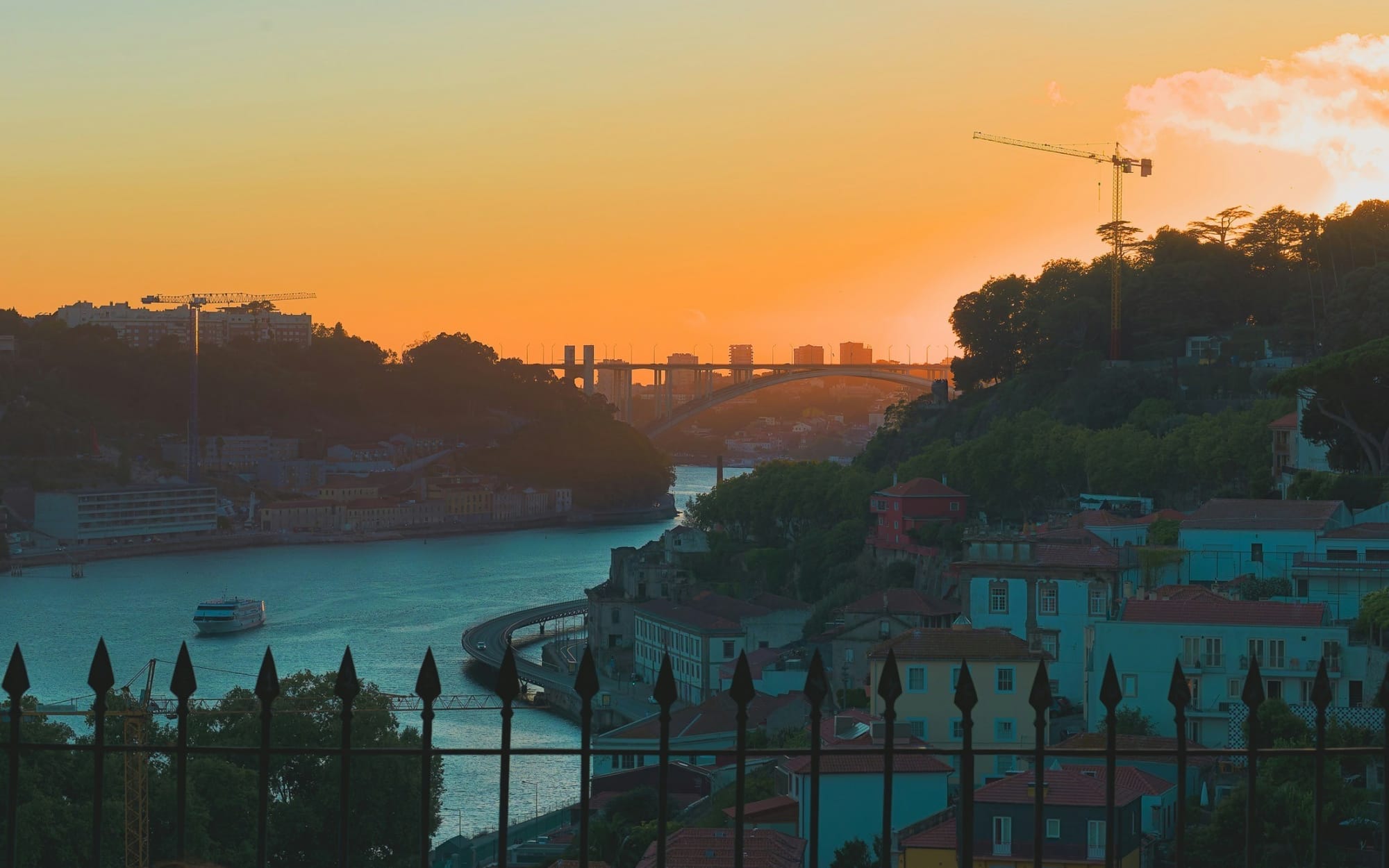
Porto makes an excellent introduction to the country. Built along the steep banks of the Douro River, the city combines grand churches and merchant houses with narrow streets that descend towards the water.
The historic Ribeira district is especially atmospheric. Restaurants and cafés line the waterfront, while boats move beneath the Dom Luís I Bridge. Across the river, the port wine cellars of Vila Nova de Gaia recall the city's long commercial relationship with the Douro Valley.
Porto's River and Atlantic Air
Porto is closely connected to the Atlantic, even though the city itself sits slightly inland along the Douro. Following the river towards the coast reveals a different side of the city, with beaches, promenades and elegant neighbourhoods overlooking the water.
Foz do Douro is a favourite destination for a slower afternoon. Waves break against rocky stretches of shoreline, while cafés and restaurants provide places to watch the Atlantic change colour as the day progresses.
The surrounding coastline is also ideal for cycling and walking. Portugal's relationship with the ocean becomes particularly apparent here, where fishing traditions and contemporary seaside life exist alongside one another.
From Northern Portugal Towards Lisbon
The railway journey provides a comfortable way to move between them, with glimpses of farmland and smaller Portuguese communities along the route. Arriving in Lisbon brings another shift in scenery, as the city's hills, tiled buildings and yellow trams create an immediately recognisable urban landscape.
The capital rewards exploration on foot, although its steep streets make the historic trams a welcome alternative.
Lisbon's Hills and the Tagus
Lisbon's neighbourhoods each offer a slightly different mood. Alfama climbs steeply beneath the castle, with narrow passages and small squares revealing remnants of the city's medieval layout.
Bairro Alto becomes livelier after dark, while Chiado combines historic cafés, theatres and independent shops. Belém offers a more spacious setting beside the Tagus, with the Jerónimos Monastery and Belém Tower recalling Portugal's maritime past.
The river is never far away. Walking along the waterfront towards sunset provides a chance to watch ferries crossing the Tagus while the city lights begin to appear across the hills.
Atlantic Flavours
Food provides a delicious thread through the entire journey. Madrid introduces travellers to hearty Castilian dishes and the social ritual of tapas, while Andalucía brings gazpacho, jamón, fried fish and rich stews to the table.
Portugal's cuisine takes a more pronounced turn towards the sea. Grilled sardines, octopus, salted cod and seafood rice are staples, while pastries provide an essential sweet finish.
In Lisbon, the famous pastel de nata is best enjoyed fresh from the oven, preferably with a strong coffee. Porto, meanwhile, remains closely associated with port wine, produced farther inland along the Douro.
Landscapes Between the Cities
The most rewarding part of an Iberian journey can sometimes be the territory between major destinations. Castilian plains stretch towards distant mountains, Andalucía's olive groves cover rolling hills, northern Portugal is shaped by vineyards and valleys, and the Atlantic coast opens towards an immense horizon.
These landscapes help explain the character of the cities themselves. Agriculture, rivers, trade and access to the sea have influenced local architecture and cuisine for centuries.
Travelling through them by rail provides an opportunity to notice those connections rather than simply passing from one urban centre to another.
An Iberian Journey with Many Faces
From Madrid's museums and grand boulevards to Seville's courtyards, Córdoba's historic streets, Porto's riverside hills and Lisbon's Atlantic-facing neighbourhoods, this route captures an extraordinary range of Iberian culture.
The appeal lies in the transitions. Dry Castilian countryside becomes olive-covered Andalucía, southern Spain gives way to Portugal, and inland landscapes eventually open towards the Atlantic. Each destination feels distinct, yet together they form a journey shaped by shared histories, changing scenery and a deep appreciation for good food, lively streets and life lived outdoors.