


More news on this day
Commuter rail passengers in northern Utah experienced delays after a trackside fire near Roy Station temporarily disrupted FrontRunner service along the busy Ogden to Salt Lake City corridor.
Get the latest news straight to your inbox!
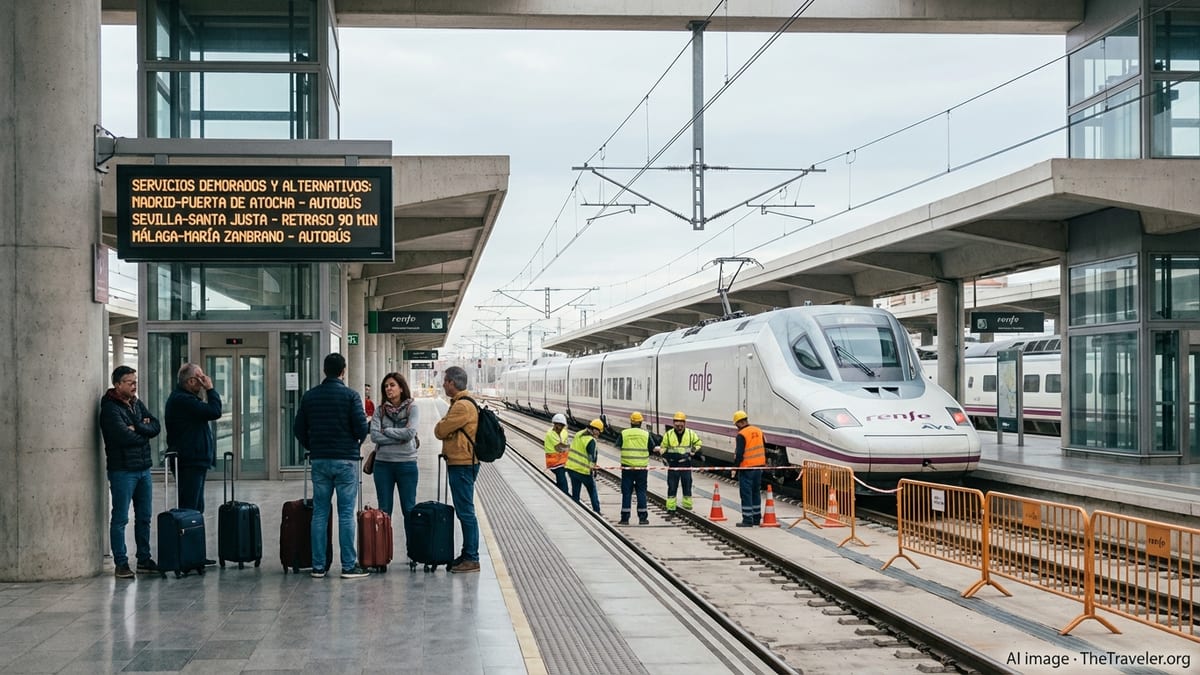
Trackside fire slows key Wasatch Front rail link
Reports from local media and transit alerts indicate that a small fire near the FrontRunner right of way in Roy prompted service slowdowns on the north end of the line on Sunday evening. The incident occurred close to Roy Station, a commuter stop that serves Weber County riders traveling between Ogden, Davis County and Salt Lake City.
FrontRunner is operated by the Utah Transit Authority and runs on a largely single-track corridor between Ogden and Provo. That configuration often leaves limited room to reroute trains when emergencies arise along the right of way, making even short-lived disruptions visible across the timetable.
Early indications suggest the fire was contained near the tracks and adjacent property, but train movements through the Roy area were restricted while crews assessed conditions. Trains approaching Roy reportedly operated at reduced speeds, leading to a series of rolling delays in both directions.
Although the incident appeared relatively minor compared with larger wildfires burning elsewhere in Utah this summer, its proximity to the tracks was enough to trigger operational precautions on a rail line that carries thousands of weekday riders.
Delays ripple across the northern FrontRunner segment
Publicly available service updates show that the initial disruption near Roy Station created knock-on delays for multiple trains moving between Ogden Central Station and points south. Because FrontRunner’s northern segment relies heavily on timed meets between northbound and southbound trains, a slowdown in one direction can quickly affect the entire pattern.
Passengers reported waits stretching beyond scheduled departure times, as dispatchers adjusted meets and held trains to preserve spacing on sections where only one track is available. Riders on northbound trips into Ogden and southbound trips toward Clearfield and Layton described extended station dwell times and lower-than-usual speeds near Roy.
On commuter rail systems like FrontRunner, short disruptions often have outsized effects because schedules are tightly constructed around limited passing sidings. Once one train is delayed, opposing trains can be forced to wait at prearranged locations until the line ahead is clear, compounding overall travel time.
While individual delays in the Roy area were generally measured in minutes rather than hours, the tightly linked timetable meant that riders across several trains experienced residual impacts before conditions normalized.
Safety protocols tighten when fire approaches rail corridors
Railroads typically apply conservative safety protocols whenever fire is reported along or near the right of way. Even relatively small trackside fires can threaten ties, signal cables or overhead infrastructure, and smoke can reduce visibility for train crews approaching a station or grade crossing.
In Utah, recent brush fires near highways and rail lines have periodically forced temporary slow orders and, in some cases, bus bridges when flames or smoke moved too close to active tracks. The Roy incident follows a broader seasonal pattern in which hot, dry conditions have raised wildfire risk along transportation corridors statewide.
Standard responses in such situations include reducing train speeds, pausing movements while firefighters work near the tracks, and visually inspecting rail infrastructure before normal service resumes. These measures are designed to prevent damage that might not be immediately visible from the cab of a moving train.
In the Roy area, the combination of dry vegetation near the line and gusty winds common along the Wasatch Front means that even small ignitions receive heightened attention, particularly during peak travel times when trains are frequent and passenger loads are higher.
Commuter impact and options for stranded riders
The timing of the disruption near Roy Station affected riders returning from weekend activities and those relying on evening connections to local bus routes and park-and-ride lots. Delays of even 10 to 20 minutes can cause travelers to miss timed transfers, lengthening overall trip times and complicating onward journeys.
Commuters who depend on FrontRunner for access to jobs at Hill Air Force Base, Ogden’s central business district and employment centers in Davis and Salt Lake counties are particularly sensitive to reliability issues. The Roy station functions as a key access point for nearby residential areas, increasing the local impact when trains are held or slowed.
Transit riders experiencing disruptions typically weigh a few options: waiting out the delay, transferring to local buses where available, or arranging car pick-ups from stations farther down the line that are less affected. On evenings and weekends, when bus frequencies are lower, these alternatives can be limited, reinforcing the importance of accurate and timely service alerts.
While this incident was relatively contained, it adds to broader concerns among some riders about the vulnerability of single-track segments to weather, incidents and infrastructure issues. Repeated delays, even if brief, can influence traveler perceptions of whether commuter rail is dependable enough for daily use.
Infrastructure context and future resilience along the corridor
Planning documents and technical memoranda about the FrontRunner system highlight the operational constraints around Roy Station and nearby sections. Single-track stretches between Ogden and points south leave limited flexibility when incidents occur, whether due to fires, mechanical issues or signal problems.
FrontRunner Forward and related capacity studies have outlined longer-term strategies such as additional double-tracking, upgraded signaling and expanded station facilities to enable more frequent and resilient service. Sections between Ogden, Roy, Clearfield and Layton are often cited as priorities because of their role in handling both local commuter flows and through traffic to Salt Lake County.
As northern Utah continues to grow, demand for reliable rail links between Weber, Davis and Salt Lake counties is expected to increase. Episodes like the Roy fire delay underscore the importance of both physical investments in the corridor and robust real-time communication tools that help riders navigate unexpected disruptions.
For now, publicly available information suggests that trains are again operating through Roy on or near schedule, but the incident serves as a reminder that even small fires near the tracks can briefly slow a critical artery in the Wasatch Front’s transit network.